

Snail mucin repair cream stands at the center of Korean beauty’s barrier-first philosophy, known for boosting hydration, soothing irritation, and supporting visible skin repair. This ingredient is not just a viral skincare trend or a fleeting K-beauty fad. It combines ancient tradition with clinically-backed moisturizing benefits. However, users should hold realistic expectations: the data to date shows promising short-term hydration and calmed inflammation, but lacks large-scale, long-term proof for barrier restoration and wrinkle fading.
Key Takeaways
- Snail mucin repair cream delivers proven hydration and reduced water loss in short-term studies.
- No allergic reactions or adverse events reported for snail mucin creams, even on sensitive skin, in available research.
- For best results, look for formulas with 5 to 10 percent or higher snail secretion content and layer within a complete Korean skincare routine.
- What Is Snail Mucin Repair Cream?
- How to Use Snail Mucin Repair Cream: Step-by-Step
- Advanced Analysis and Common Pitfalls
- Conclusion
- Frequently Asked Questions
What Is Snail Mucin Repair Cream?
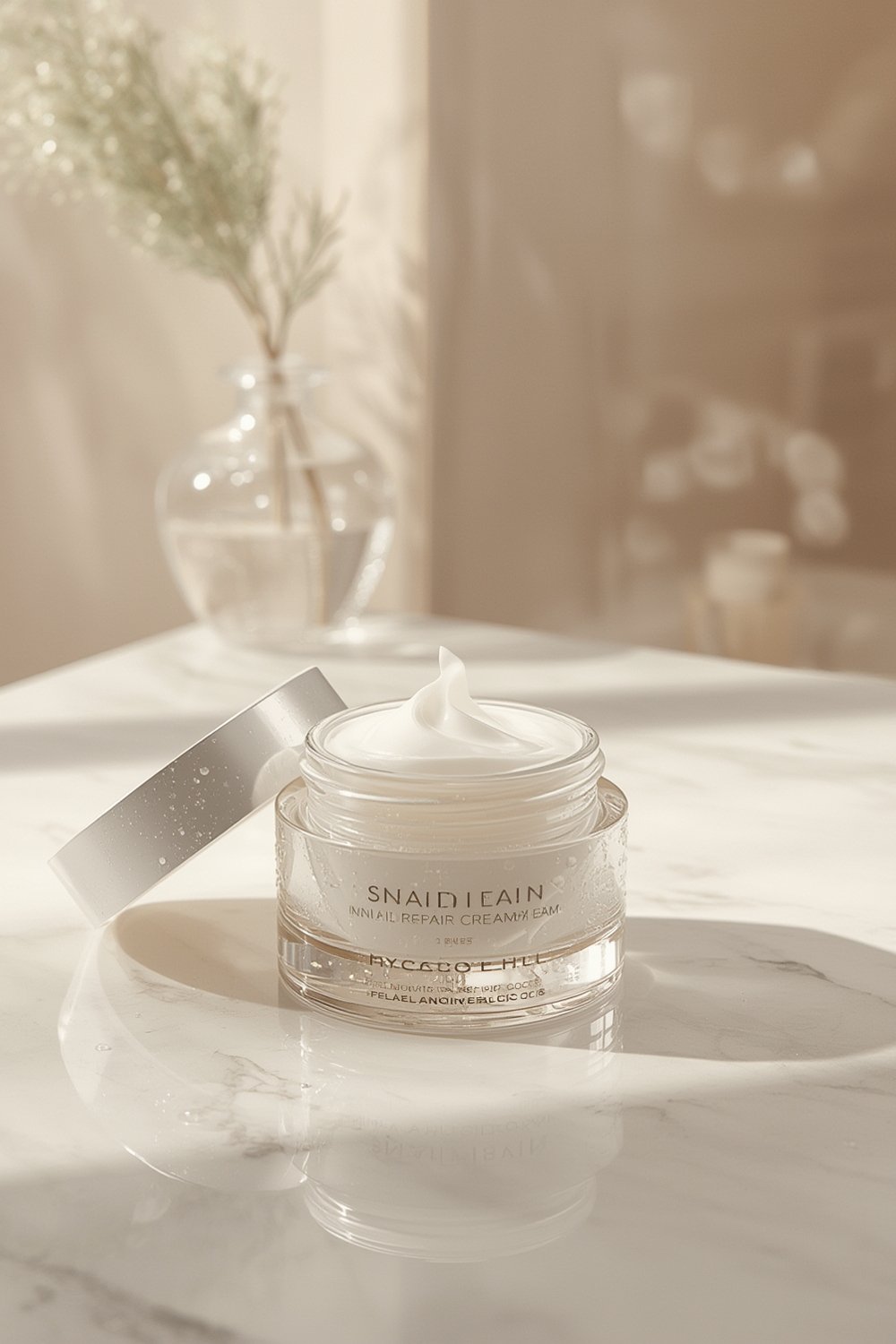
Snail mucin repair cream is a hydrating skincare treatment formulated with concentrated snail secretion filtrate. The active extracts come from species like C. aspersa and A. fulica, filtered and blended into a fast-absorbing cream. In Korean beauty, this product is trusted for delivering dewiness, boosting skin resilience, and accelerating post-acne recovery.
The science is clear: studies show creams containing 2, 5 to 10 percent snail mucin measurably improve skin hydration and decrease transepidermal water loss (TEWL) within 24 hours. Higher concentrations—up to 80 percent—have also been linked to improved skin elasticity and reduced wrinkles over several weeks [Source]. These outcomes are attributed to naturally occurring components like allantoin (for soothing), glycosaminoglycans (for moisture retention and repair), and antimicrobial peptides.
What sets snail mucin apart is its fit within the Korean skincare system, which values gentle, hydrating, and barrier-protective ingredients layered day and night. A snail mucin repair cream is often used after serum and before sunscreen or sleeping masks to lock in moisture and repair signals—think of it as your barrier’s best friend in any Korean skincare routine.
How to Use Snail Mucin Repair Cream: Step-by-Step
For optimal results, layer snail mucin repair cream following a typical Korean skincare routine. The steps below ensure the active snail filtrate delivers its hydration and barrier-cushioning effects:
-
Double Cleanse:
Start with an oil-based cleanser, then a gentle foaming cleanse to remove sunscreen and impurities. -
Hydrating Toner or Essence:
Pat in to prep the skin and balance pH. -
centella ampoule Step:
Apply actives like centella ampoule or niacinamide for specific skin concerns (centella asiatica serum boosts calming). -
Snail Mucin Repair Cream:
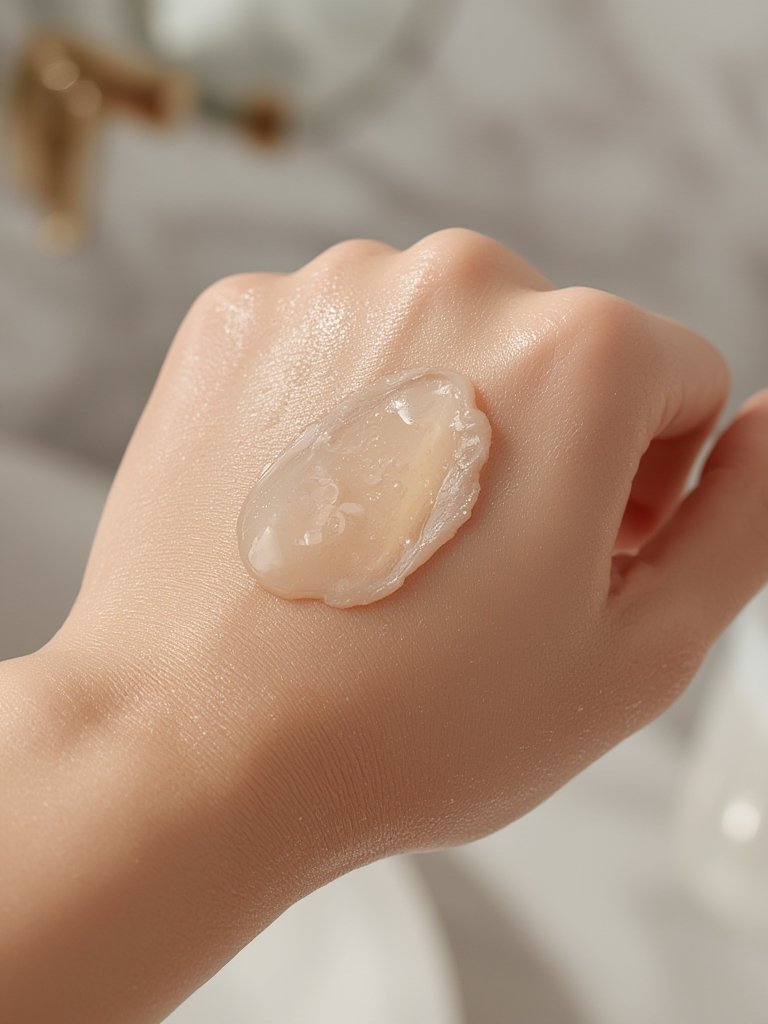
On damp skin, smooth a coin-sized amount over the face and neck. Always pat gently—do not rub. For dry or barrier-impaired skin, layer a second thin coat for enhanced occlusion. -
Seal It In:
Finish with sunscreen (AM) or a night mask (hydrating sleeping mask) to lock in benefits.
For acne-prone or reactive skin, snail mucin repair cream can help reduce redness and speed up recovery, with studies confirming reduced TEWL and post-acne healing when used consistently. However, for stubborn hyperpigmentation or deep wrinkles, results may be slower without supporting ingredients (ceramide creams or peptide serums can be good allies).
Remember, snail mucin repair creams can be used year-round, but monitor your skin’s response and adjust layering based on humidity, activity level, and any actives (like exfoliants or retinoids) in your lineup.
Advanced Analysis and Common Pitfalls
Research on snail mucin repair cream is promising for hydration and mild repair, but there are gaps and misconceptions to address:
Misconceptions About “Natural” Barrier Repair
Many assume snail mucin is a cure-all for the skin barrier or deep wrinkles. In truth, no 2024 clinical studies have proven long-term or dramatic results in large populations [Source]. Studies are typically small and short-term. The reported benefits—like reduced TEWL and increased elasticity—occur over weeks, not overnight.
Allergic Reactions and Safety for Sensitive Skin
There are no documented cases of allergic reactions or skin sensitivities linked to snail mucin creams, even among sensitive skin users [Source]. This makes it very safe for most, but always perform a patch test, especially if introducing alongside potent actives.
Ingredient Quality and Efficacy: Not All Creams Are Equal
Clinical outcomes correlate with higher snail secretion concentrations. Look for products with at least 5 to 10 percent mucin content for significant hydration. Some luxury Korean brands use up to 80 percent for intensive repair, while many mainstream creams are diluted.
| Mucin % Content | Immediate Hydration | Barrier Repair | Skin Sensitivity Risk | Best For |
|---|---|---|---|---|
| 2% | ✓ | ✗ (Minimal) | Very low | Maintenance, layering |
| 5%-10% | ✓✓ | ✓ | Low | Active repair, mild dehydration |
| 80% | ✓✓✓ | ✓✓ | Low | Intensive care, mature skin |
What Snail Mucin Can (and Cannot) Do
- Can: Increase moisture, reduce redness after breakouts, support mild recovery for stressed skin.
- Cannot: Replace prescription treatments, erase deep lines on its own, or be a single replacement for multi-step glass skin routines.
Alternatives to Snail Cream
Seek out exosome skincare or PDRN-based ampoules for more advanced skin regeneration. If you react to animal-derived ingredients, try a centella-based ampoule or peptide-rich creams for gentle recovery.

Conclusion
Snail mucin repair cream is a clinically supported hydration booster and gentle recovery addition to any Korean skincare routine. While studies highlight strong short-term results for moisturization and skin comfort, those seeking dramatic anti-aging or long-term repair should see it as one piece in a multi-layered approach. Try layering with essential Korean barrier or peptide products for comprehensive benefits. If you want reliable, well-tolerated skin comfort, add a snail mucin repair cream now—and explore related Korean beauty routines to build a complete system.
Frequently Asked Questions
Is snail mucin repair cream safe for sensitive skin?
Yes. According to clinical studies, there are no reported allergic reactions or adverse events, even in sensitive skin types. Always patch test a new product first if you have a history of hypersensitivity.
How long does it take to see results from snail mucin repair cream?
Most users notice increased hydration and calmer skin within a few days to a week. For elasticity or wrinkle reduction, studies show visible change after 4 to 8 weeks of daily use.
Can snail mucin repair cream be layered with retinol or acids?
Yes, but use caution. Apply actives first, waiting 10 to 20 minutes, then layer snail cream to buffer irritation and support recovery. If you experience dryness, alternate days or sandwich actives between calming creams.
What concentration of snail mucin is best?
Clinical research supports 5 to 10 percent for most users. Higher concentrations (up to 80 percent) offer more intensive care for mature or compromised skin, though they may cost more.
Is snail mucin vegan or cruelty free?
Snail mucin is not vegan, as it is derived from snails. However, reputable Korean brands ethically harvest mucin without harming the animals. Check brand statements for cruelty-free certification.