
Retinol alternative korean is a fast-rising topic in K-beauty, as more people seek anti-aging solutions that deliver visible results without the irritation linked to traditional retinoids. In Korean skincare, gentler actives like bakuchiol are gaining traction for those with sensitive skin, pregnancy-related concerns, or retinol intolerance. However, while there’s genuine clinical promise, realistic expectations and methodical routines are necessary to see improvements, and limitations in Korean-specific data remain.
Key Takeaways
- Bakuchiol shows comparable wrinkle and pigmentation improvement to retinol, but with fewer side effects and better tolerability for sensitive skin.
- Korean beauty emphasizes gentle layering and barrier care, making bakuchiol and other retinol alternatives a natural fit for multi-step routines.
- No pregnancy-specific safety certifications exist for Korean bakuchiol serums; while promising, claims should be approached with caution and realistic expectations.
- What Is a Retinol Alternative and Why Koreans Use It
- Step-by-Step Guide to Incorporating Retinol Alternatives in Your Routine
- Advanced Analysis and Common Pitfalls
- Conclusion
- Frequently Asked Questions
What Is a Retinol Alternative and Why Koreans Use It
A retinol alternative in Korean skincare refers to plant-derived molecules—most notably bakuchiol—that provide similar anti-aging results to retinol, but usually with less irritation. Rather than upregulating retinoid receptors (which can trigger redness or peeling), these alternatives act on similar cellular pathways while offering enhanced photostability and antioxidant effects.
Bakuchiol, extracted from the Babchi plant, is now recognized for targeting fine lines, uneven tone, and firmness—delivering visible improvement in photoaging markers. Recent clinical trials confirm that 1 percent bakuchiol rivals traditional retinol for wrinkle reduction and pigment fade, but without the common flaking or scaling (source, source).
Korean beauty routines value barrier support and “skip-care,” favoring gradual layering of calming, brightening, and firming formulas. Retinol alternatives like bakuchiol integrate seamlessly, helping users address early signs of aging without compromising skin barrier health or daily comfort. This approach aligns with Korean skincare’s hydration-first, gentle transformation philosophy.
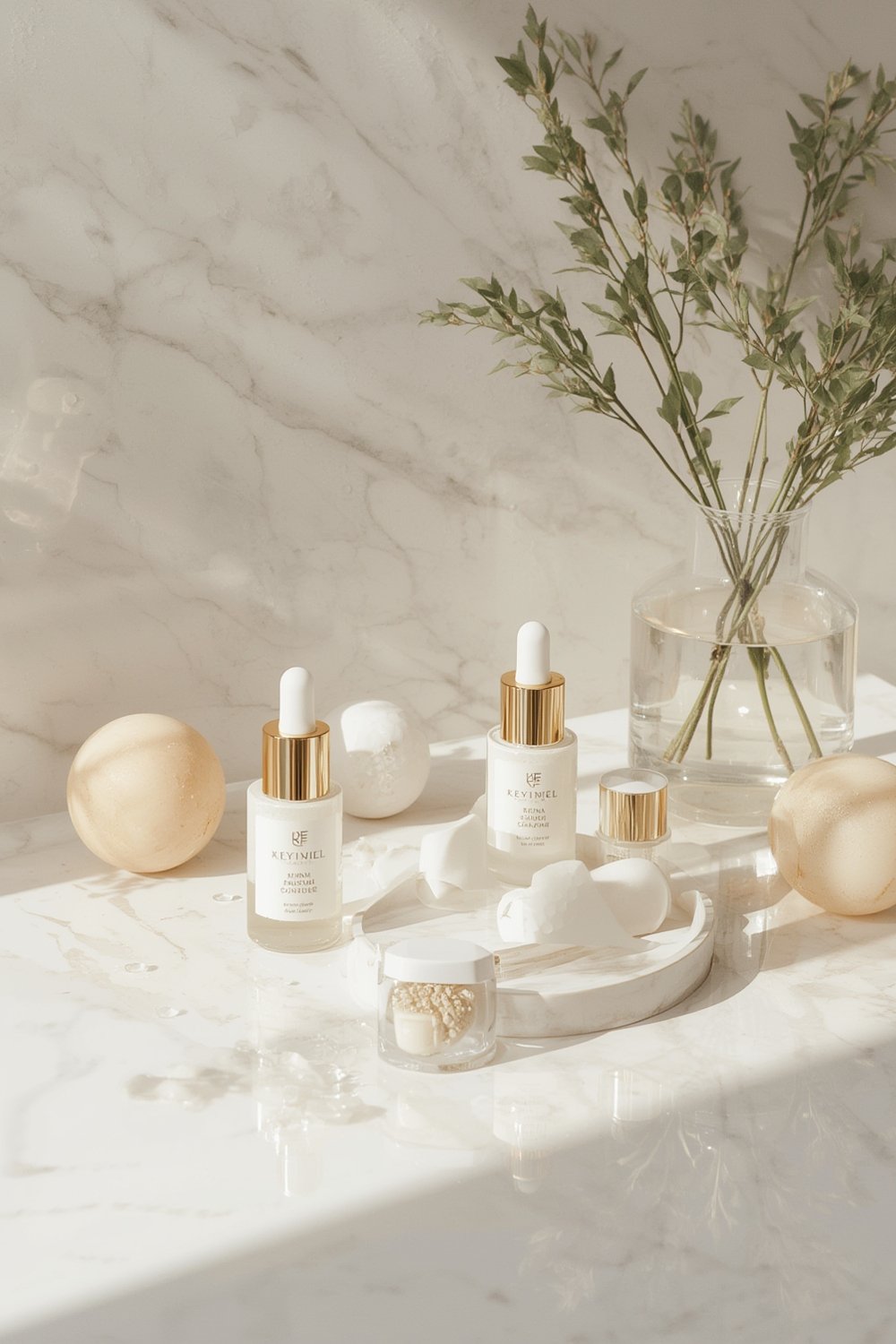
Step-by-Step Guide to Incorporating Retinol Alternatives in Your Routine
- Cleansing: Begin with a mild hydrating cleanser to prep your skin for better ingredient absorption. Avoid stripping formulas if you have sensitive or reactive skin.
- Toning: Use a gentle toner with calming or hydrating properties to balance pH. Consider layering with pad formats, like those featured in Korean toner pad routines.
- Essence or Ampoule: Apply a thin layer of hydrating or barrier-repair essence. This helps buffer potential irritation when introducing bakuchiol or any retinol alternative.
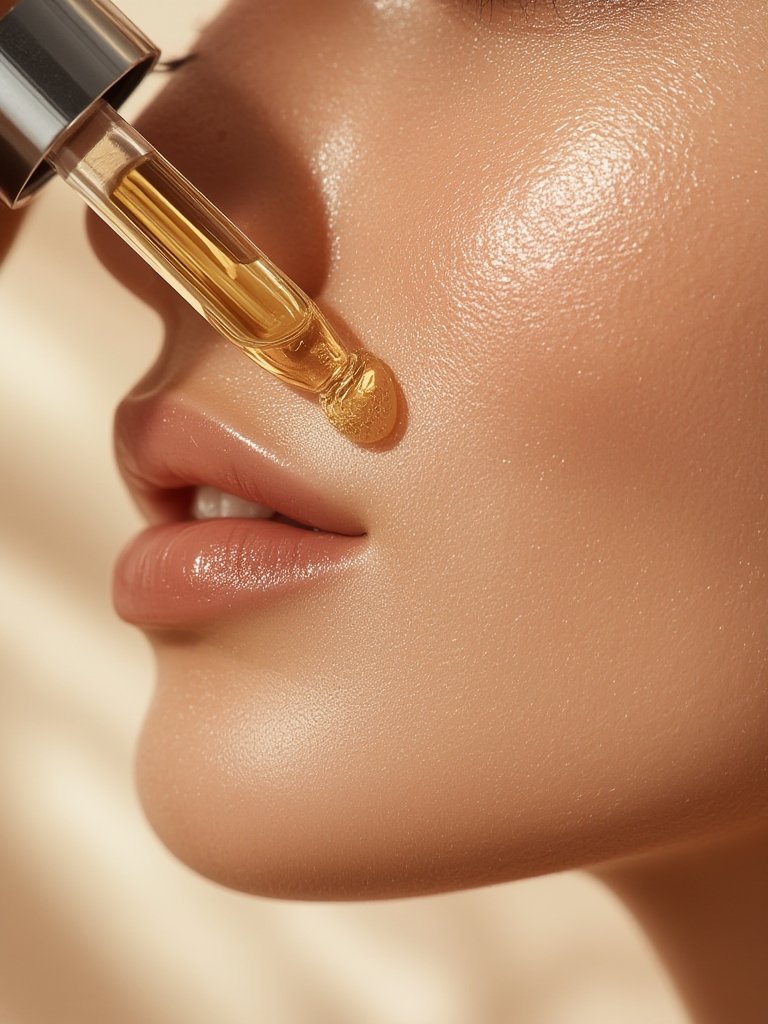
- Serum with Bakuchiol: Use 1 to 2 pumps of a bakuchiol serums, preferably at 1 percent concentration. Korean formulas often blend this with antioxidants or calming extracts. Patch test new products and start with every other evening to gauge skin response.
- Moisturizer: Seal in treatment with a nourishing but breathable moisturizer. Choose options that support barrier repair, especially if you have a history of retinol irritation (see Korean ceramide creams).
- Sunscreen: Consistent sun protection is necessary as both retinol and bakuchiol can increase photosensitivity. Reapply throughout the day if exposed.
Mix and match tips:
- Pair bakuchiol with hydrating ampoule mists for on-the-go antioxidant defense.
- Avoid using bakuchiol serums alongside strong exfoliants or direct acids in the same routine to minimize irritation.
- If pregnant or breastfeeding, consider consulting with a healthcare provider despite bakuchiol’s favorable reputation (source).
Advanced Analysis and Common Pitfalls
Addressing misconceptions: While bakuchiol often claims to be “just as effective but gentler than retinol,” the latest research confirms comparable results in clinical settings for wrinkle and pigmentation improvement over 12 weeks, but the sample sizes are small and long-term data is limited (source).
Pregnancy safety: K-beauty brands may market bakuchiol as pregnancy friendly due to a lack of retinoid receptor activity, but there are no Korean-specific safety certifications or pregnancy studies. Use remains at your discretion and in discussion with a medical professional.
Concentration myths: Some products “boost” bakuchiol with antioxidants for marketing, but 1 percent is the clinically studied threshold. Always check ingredient lists and avoid products lacking full transparency (source).
| Property | Bakuchiol | Retinol |
|---|---|---|
| Efficacy on Wrinkles | Comparable in 12-week studies | Strong evidence, more long-term data |
| Hyperpigmentation | May reduce more than retinol | Moderate |
| Irritation Risk | Very low | High (redness, peeling) |
| Sun Sensitivity | Low; photostable | High; easily degraded |
| Pregnancy Safe? | Marketed as safer but data is limited | Not recommended; proven risks |
Common mistakes:
- Layering bakuchiol with other strong actives too early, causing dryness or redness.
- Expecting overnight firming or visible transformation—results typically take 8 to 12 weeks of consistent use.
- Skipping hydration or barrier care, which is crucial for sensitive skin or those new to retinol alternatives.
- Assuming all K-beauty “retinol alternative” serums are pregnancy safe; always review full ingredient lists.
For further personalization, look into other K-beauty innovation topics like PDRN ampoules for post-acne recovery, exosome-based serums, and even azelaic acid as a parallel gentle solution.
Conclusion
Korean beauty’s approach to anti-aging is evolving, and the rise of retinol alternative korean products like bakuchiol reflects a commitment to efficacy, comfort, and inclusivity for sensitive or expectant users. While evidence points to real anti-aging benefits with fewer side effects than traditional retinol, mindful expectations and proper layering routines are key. Explore related Korean beauty routines to build a complete, barrier-supportive anti-aging system that fits your needs.
Frequently Asked Questions
Is bakuchiol the only retinol alternative in Korean skincare?
Bakuchiol is the best studied plant-based alternative and dominates K-beauty formulations, but azelaic acid and peptides are also used for gentle anti-aging effects.
Can retinol alternatives be used every night?
It’s best to introduce bakuchiol or similar actives 2 to 3 nights a week initially. Gradually increase frequency, watching for irritation. Most skin types can use bakuchiol nightly after an adjustment period with proper hydration and barrier care.
Are Korean bakuchiol serums safe during pregnancy?
Bakuchiol is widely marketed as a pregnancy-safe retinol alternative due to its different mechanism, but there are no pregnancy-specific safety certifications in Korea. Consult your doctor, especially if ingredients are not fully disclosed.
Do bakuchiol serums deliver faster results than retinol?
Efficacy is similar in reducing wrinkles and pigmentation, but neither ingredient delivers dramatic overnight results. Most users see improvements after 8 to 12 weeks of consistent use.
What should I avoid mixing with bakuchiol?
Avoid layering strong acids, retinoids, or high concentration vitamin C with bakuchiol in the same routine unless skin is well adapted. Focus on hydration, calming, and barrier repair boosters.