

### Blog Post:
microcurrent facial device technology has become a standout innovation in Korean beauty, appealing to those who seek lifted, firmer skin without invasive treatments or downtime. Rooted in science yet fully embraced by Korea’s at-home skincare movement, these devices promise real contouring benefits—so long as you use them with realistic expectations and a consistent routine.
Key Takeaways
- Microcurrent facial devices deliver visible but gradual lifting, contouring and firming with regular use in Korean skincare routines.
- Results require consistent technique, proper conductive gel, and patient week-over-week commitment for optimal collagen and elasticity support.
- Home devices are safe and non invasive for most, but are generally less powerful than professional spa treatments and require attention to app guidance and device maintenance.
- What Is a Microcurrent Facial Device?
- How to Use a Microcurrent Facial Device: Step by Step
- Realistic Results, Pitfalls, and Alternatives
- Conclusion
- Frequently Asked Questions
What Is a Microcurrent Facial Device?
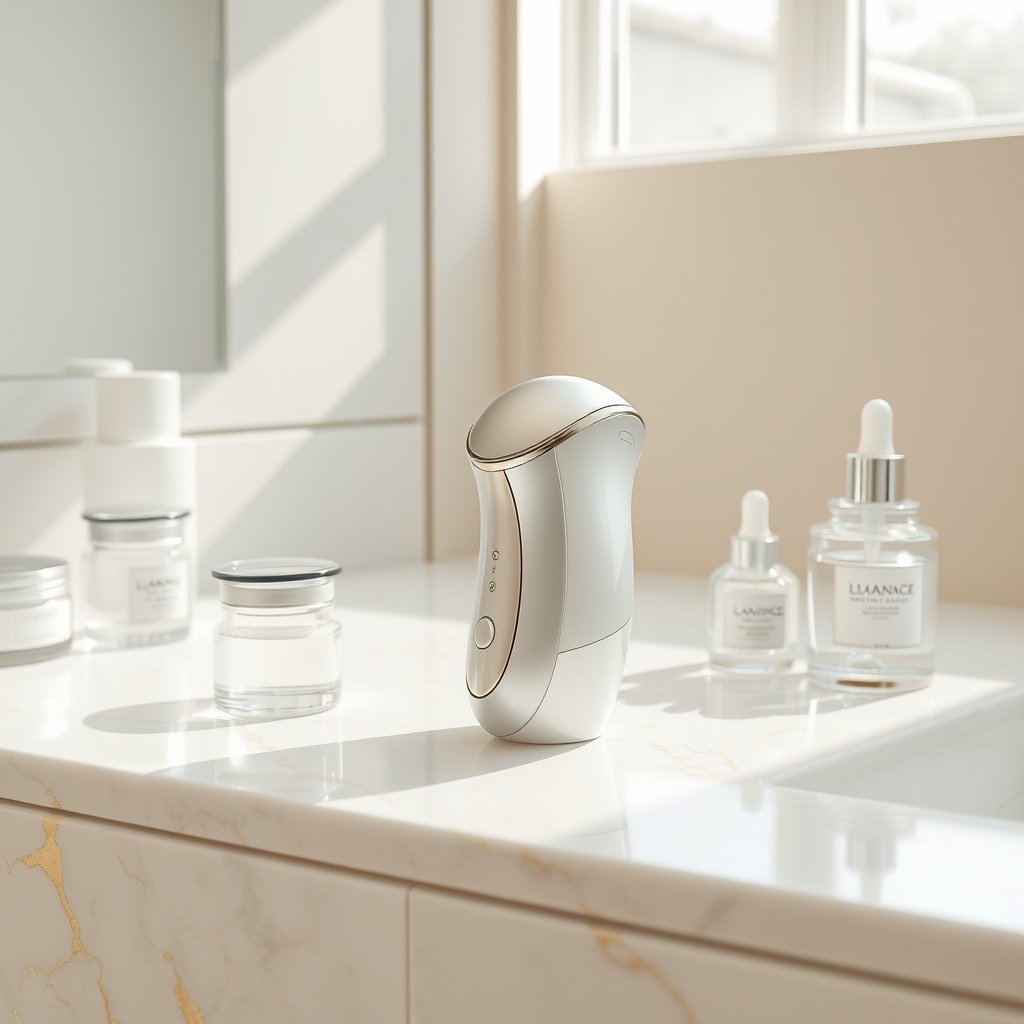
A microcurrent facial device is a small home beauty tool that uses low level electrical currents to stimulate facial muscles, energize skin cells, and boost collagen and elastin production for a firmer, more lifted complexion. In the Korean beauty philosophy, this approach is aligned with non invasive, prevention-first skincare—supporting natural skin function rather than masking issues.
Unlike dramatic, aggressive treatments, microcurrent devices resemble a “workout” for facial muscles, aiming for gradual improvement in contour, tautness, and radiance. Their popularity exploded in Korea’s beauty spaces because results are natural looking and cumulative if used patiently over several weeks. The devices fit seamlessly into the multi-step Korean skincare layering routine: after cleansing and prepping skin, microcurrent treatment can enhance absorption and maximize the effects of targeted ampoules or barrier repair creams. For Korean beauty lovers who prioritize gentle, spa-like results at home, these non surgical tools are a cornerstone of the modern tech-driven self-care ritual.
Read more about how the latest beauty tools and devices are transforming everyday routines.
How to Use a Microcurrent Facial Device: Step by Step
To see real changes in skin firmness and facial definition, follow this actionable roadmap with your microcurrent device:
- Start with a clean, damp face. Thoroughly wash using a gentle Korean cleanser or use a toner pad for fast prep. Pat face dry, but leave slightly moist for best conductivity.
- Apply a conductive gel. Most devices require a special gel (often provided) to conduct current evenly, prevent tingling and protect your skin barrier. Spread generously over areas you’ll treat—without it, the device won’t work efficiently and could irritate skin.
- Choose your device settings. Set device to beginner intensity if you’re new. Many Korean models use either fixed routines or come with a companion app that guides you through placement and motion.
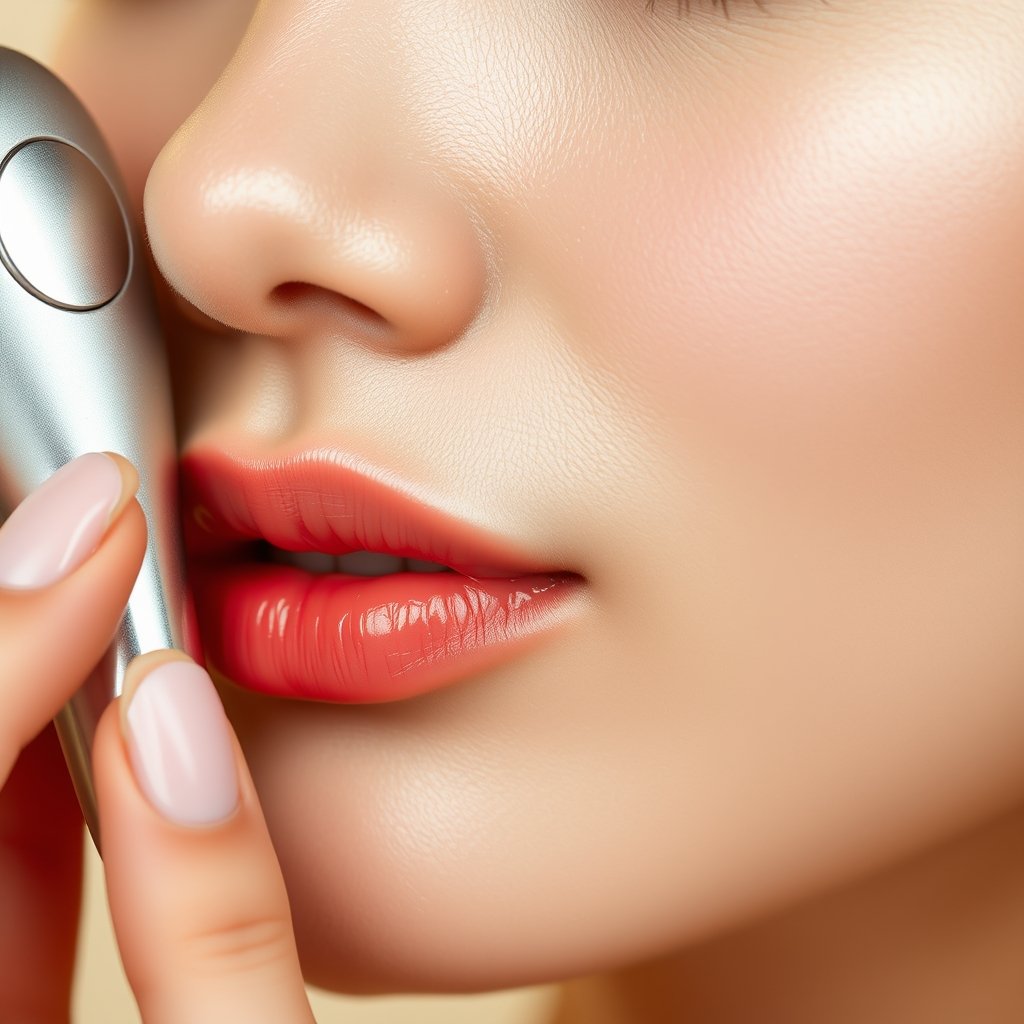
- Work in sections, moving slowly. Start from the neckline, move up to jaw, cheeks, and temples, then to the forehead. Each area generally gets three gentle, upward strokes. Pause after each zone. Avoid eyelids and mucous membranes.
- Layer with active ampoules or masks post-treatment. After your session, use a hydrating centella ampoule or layer on a cooling hydrogel mask. Skin is especially receptive to soothing or firming treatments right afterwards.
- Complete routine with barrier care. Always finish with a barrier repair cream to lock in benefits, maintain hydration, and minimize any lingering tingling or mild swelling.
- Sustain results with consistency. Follow protocols—generally five days per week for at least six weeks. Each session lasts about five to ten minutes.
For true home spa transformation, you might also enjoy exploring personal care essentials Korean style, including exfoliating mitts and body care devices, or bundle your device with the latest beauty device sets.
Realistic Results, Pitfalls, and Alternatives
Many expect instant, long-lasting results from home microcurrent devices. The reality is more nuanced. According to a recent CNET review citing 2024 trials, measurable improvements in skin tone, firmness and radiance show with consistent use over six to twelve weeks, not merely after one or two sessions. Short-term effects, like reduced puffiness or a hint of lift, are possible after each use, but sustained facial contour and collagen changes demand patience and routine.
Here’s what you need to know based on clinical research:
- Immediate results are usually mild—think subtle tightening or a temporary dewy glow. Lasting improvements in muscle firmness and skin elasticity take several months of routine use (Good Housekeeping lab findings).
- Home devices rarely match the power or results of med spa or dermatologist facials. However, they’re much lower risk, allow daily use, and are cost efficient for ongoing maintenance (AEDITION breakdown).
- Barriers include: technical setup (apps, complex guides), battery issues, forgetting regular use, and the need for conductive gel. Some users experience minor tingling, redness, or puffiness.
- Don’t combine with exfoliating acids, retinoids, active acne, or freshly waxed skin—protect your barrier and avoid irritation (Healthline).
See how microcurrent devices stack up against other Korean at-home anti aging tech:
| Device/Method | Primary Benefit | Expected Schedule | Best For | Cautions |
|---|---|---|---|---|
| Microcurrent Facial Device | Lifting, firming, subtle contour | 5x/week, 5–10 min, 6–12 weeks | Mild laxity, prevention, maintenance | Requires gel, not for open wounds or severe sensitivity |
| LED Face Mask | Reduces inflammation, evens tone | 3–5x/week, 10–20 min | Redness, pigmentation, sensitive skin | Eye protection essential, not for seizure disorders |
| RF Skin Tightening Device | Wrinkle reduction, deep collagen | 1–2x/week | Mature skin, deeper lines | Not for metal implants or pacemakers |
| Ultrasonic Skin Scrubber | Pore clearing, exfoliation | 2–3x/week | Blackheads, dullness, oily skin | Avoid broken skin, gentle use only |
If you notice increased dryness or tingling, adjust session frequency, re-focus on barrier repair (try a barrier repair cream), and avoid compounding with actives. You might also explore ingredient-forward alternatives like collagen jelly creams for extra elasticity support, or glass skin routines for ultimate radiance without devices.

Conclusion
The microcurrent facial device is a proven tool in Korean beauty home routines for those seeking gradual, natural lifting and skin-firming. While results are real, they require patience, daily dedication, and attention to smart product layering and barrier care. Ready to see what your skin can become? Explore related routines and discover new ways to amplify the benefits of your microcurrent facial device with the latest ampoules, barrier creams, and home beauty innovations.
Frequently Asked Questions
How soon will I see visible results with a microcurrent facial device?
Most users notice a subtle lift or depuffing after the first use, but lasting improvements in firmness and contour generally require consistent use (at least five days per week) for six to twelve weeks.
Can I use a microcurrent device with active breakouts or sensitive skin?
No, avoid use on open acne, eczema, raw skin, or recent waxing. Focus on barrier repair and soothing before starting any device regimen.
Do I need to use a conductive gel every time?
Yes, conductive gel is essential for proper current delivery and to prevent irritation or insufficient results. Do not use water or moisturizer as a substitute.
Is it better to get professional microcurrent facials or use a device at home?
Professional facials deliver more dramatic and faster results using higher settings, but are expensive and less convenient. At-home devices are affordable, gentle, and good for maintenance, but require commitment and technique for noticeable outcomes.
Can I combine microcurrent use with LED, RF, or ultrasonic devices?
Yes, alternating modes (not stacking in one session) is often safe, but always support your barrier with hydration and monitor for signs of overuse.