

Dermaplaning tool use is rapidly gaining traction in Korean beauty, with K-beauty devotees valuing its ability to deliver immediate smoothness and radiant skin at home. While excitement is high thanks to impressive results in exfoliation and makeup application, it is important to set realistic expectations. Dermaplaning can be transformative, but requires proper technique, an understanding of your skin’s sensitivities, and a clear view of its limitations to avoid irritation or barrier disruption.
Key Takeaways
- Dermaplaning tools remove dead skin cells and peach fuzz, instantly smooth skin texture, and boost skincare absorption.
- Correct technique and the right tool are essential to avoid irritation, nicks, and over-exfoliation, especially for sensitive or acne-prone skin.
- K-beauty routines optimize dermaplaning results by focusing on barrier repair, hydration, and layering gentle actives post-exfoliation.
- What Is a Dermaplaning Tool and Why Korean Beauty Loves It
- How to Use a Dermaplaning Tool: Step-by-Step Korean Beauty Guide
- Advanced Analysis and Common Pitfalls
- Conclusion
- Frequently Asked Questions
What Is a Dermaplaning Tool and Why Korean Beauty Loves It
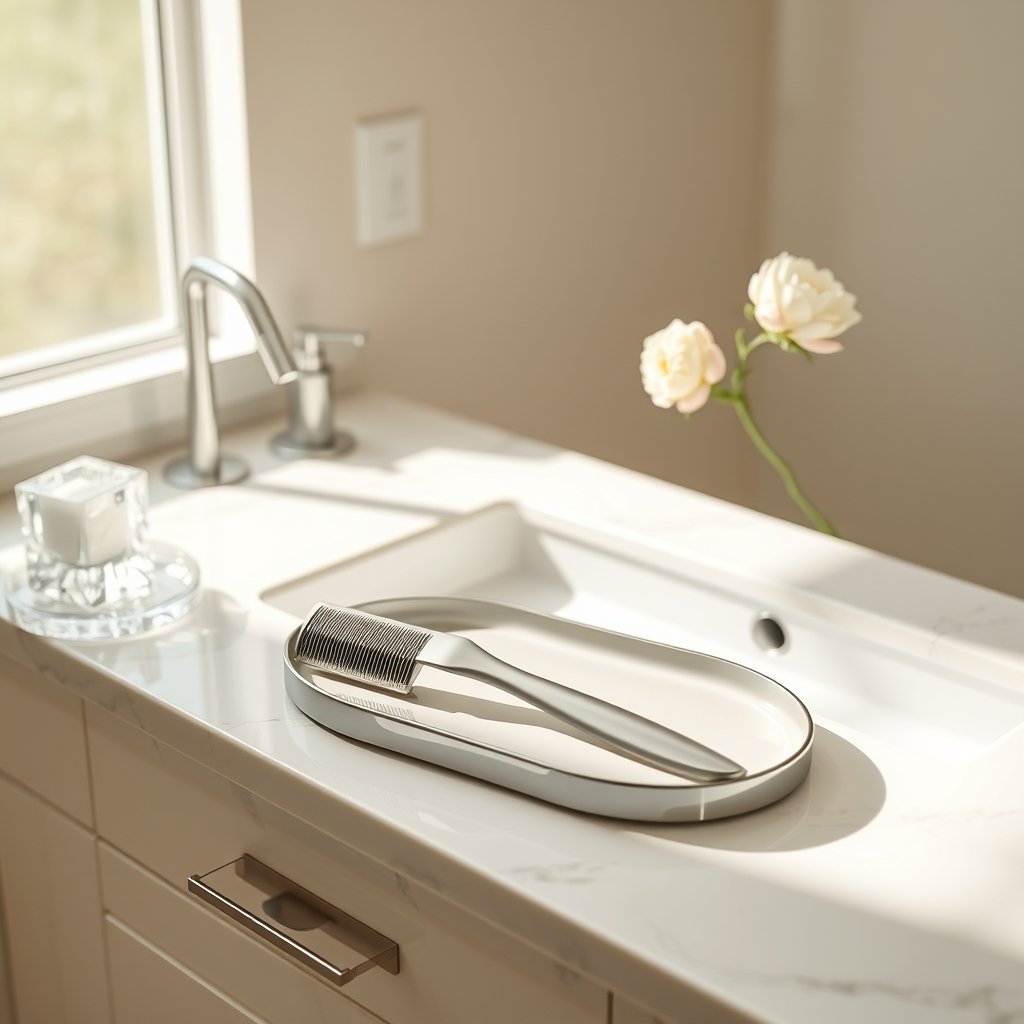
A dermaplaning tool is a specialized skincare device featuring a single-edge surgical-grade stainless-steel blade designed to gently remove vellus hair (peach fuzz) and exfoliate the top layer of the skin. Unlike multi-blade razors, dermaplaning tools glide across the face at a precise angle, minimizing pulling and reducing risks of cuts. This method has been adopted into Korean skincare routines as it provides immediate smoothness, improved glow, and enhanced absorption of serums and moisturizers. The philosophy echoes the essential K-beauty principles of gentle exfoliation and barrier-friendly care, aligning perfectly with layering hydrating products for the glass skin look.
The procedure, performed once every 3 to 4 weeks, creates a fresh, even surface for pro-level skincare results at home, eliminating the dullness caused by dead cells and fine facial hairs. It’s now an accessible alternative to spa services, featuring both manual disposable blades and high-tech sonic tools options. Proper aftercare—emphasizing replenishment and protection—is critical in any Korean beauty dermaplaning ritual.
How to Use a Dermaplaning Tool: Step-by-Step Korean Beauty Guide
- Prepare Your Skin: Start with thoroughly cleansed and dry skin. Avoid dermaplaning if you have active breakouts, eczema, or open wounds (Cleveland Clinic). Double cleansing, a Korean staple, removes all makeup and sebum for a clean base. For extra prep, use a brightening rice toner to calm and balance skin pH.
- Select the Right Tool: Choose between a manual dermaplaning tool or a sonic tools or electric device. Single-edge surgical blades offer best results; sonic tools with safety shields are gentler for beginners or sensitive skin (Glamour).
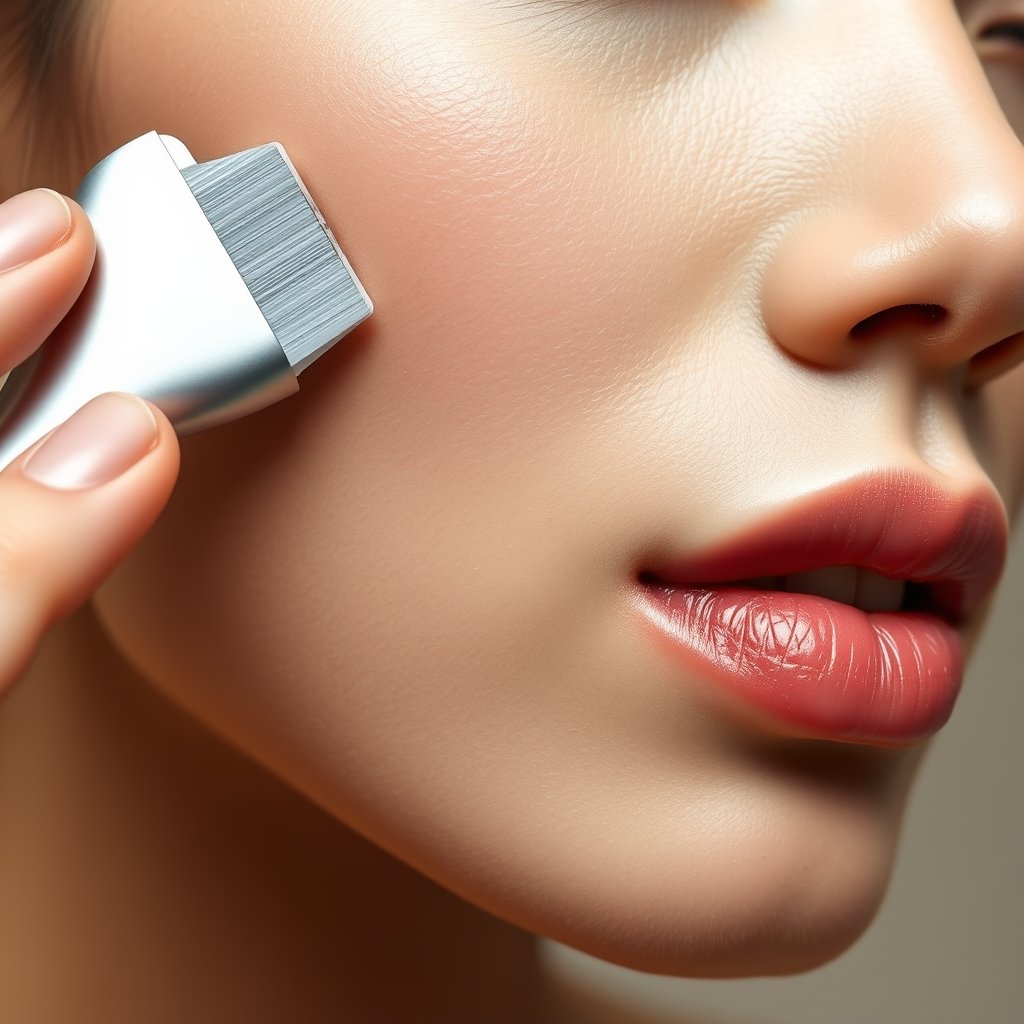
- Master the Technique: Hold the tool at a 45-degree angle. Using very light pressure, gently glide in short strokes in the direction of hair growth. Start on flat areas like cheeks and forehead before moving to curved zones like jawline and chin. Keep skin taut for smoother movement and less risk of nicks (Stacked Skincare).
- Rinse and Assess: After dermaplaning, rinse your face with lukewarm water. Pat dry—never rub!
- Rebuild with Barrier Repair and Hydration: Immediately apply a centella asiatica ampoule or other cica products to calm sensitive skin and strengthen the barrier. Follow with a hydrating essence, serum, and light moisturizer. Consider a cooling hydrogel mask for post-exfoliation relief.
- Protect: Apply sunscreen the next morning, as post-dermaplaned skin is extra sun-sensitive. Korean glow sunscreens are ideal for barrier protection without greasiness.
- Blade Maintenance: Replace disposable blades after 1 to 3 uses to avoid dullness and bacterial risk. Deep-clean reusable handles after every session.
- Enhance results by following up with personal care essentials like calming creams and foot masks for a full-body spa effect.
- Explore the future of at-home skin devices in this guide on beauty tools & devices, including microcurrent wands and LED masks for non-invasive results.
Advanced Analysis and Common Pitfalls
Despite its popularity, many users misunderstand how a dermaplaning tool works and when it is appropriate. Let’s set the record straight:
-
Myth: Peach fuzz grows back thicker or darker.
Fact: Dr. Yang clarifies that shaving vellus hair does not make it coarser or darker. The blunt tip may feel different at first, but hair structure is unchanged. (Glamour) -
Overuse Risks:
Dermaplaning more than once every 3-4 weeks can cause over-exfoliation, redness, or increased sensitivity, especially if combined with strong acids, retinol, or harsh scrubs (Cleveland Clinic). -
Sensitive Skin / Barrier Issues:
If you have a compromised barrier from recent procedures or sensitivity to exfoliation, proceed carefully. Always use a Korean barrier repair cream to restore skin post-treatment. -
Not for Active Acne:
Using a dermaplaning tool over inflamed breakouts can worsen irritation and spread bacteria. Spot-treat or wait until skin is calm (Today). -
Manual vs. Electric:
Manual blades are affordable (usually $15-30 for a reusable handle and $3-7 per pack for blades), cover large areas efficiently, but pose a higher risk of nicks with incorrect technique. Electric devices offer safety guards and ergonomic grips at a much higher price point ($150-200). Consider your skin type, budget, and comfort.
| Feature | Manual Dermaplaning Tool | Electric Dermaplaning Device | K-Beauty Alternative Device |
|---|---|---|---|
| Exfoliation Type | Physical / Surface blade | Physical + Sonic vibration, safety guards | Ultrasonic skin scrubber or microcurrent |
| Level of Control | User-dependent | More consistent, less risk of cuts | Vibrating spatula, no blade |
| Barrier Impact | Moderate, requires post-care | Milder, less risk for sensitive skin | Gentler options for barrier repair focus |
| Price | $15-30 + blades ($3-$7 per pack) | $150-200, higher initial outlay | $25-90 per device |
| Best For | Experienced users, budget care | Beginners, sensitive skin, those seeking safety features | Glass skin seekers, barrier-conscious routines |
If you’re unsure whether dermaplaning is right for your skin, consult your dermatologist. K-beauty routines offer alternate exfoliating routes too: korean toner pads with mild acids are popular for daily use on sensitive and acne-prone skin.

Conclusion
When integrated thoughtfully, a dermaplaning tool offers a fast-track to smoother skin and the glowing “glass skin” signature of modern Korean beauty. Respect your skin barrier, mind your technique, and always focus on hydration and protection in your post-care routine. With realistic expectations and proper use, the dermaplaning tool can elevate your K-beauty toolkit—without harshness or regret. For holistic results, explore related Korean beauty routines to build a complete self-care system.
Frequently Asked Questions
Will dermaplaning cause peach fuzz to grow back thicker or darker?
No. Multiple dermatologists confirm that shaving the fine vellus hair does not change its color or thickness. Hair may feel blunter at first, but the structure remains unchanged (Glamour).
How often should I use a dermaplaning tool?
Once every 3 to 4 weeks is optimal. Overuse can cause irritation, redness, and sensitivity. Allow your skin time to recover between sessions (Cleveland Clinic).
What should I never combine with dermaplaning?
Avoid using harsh scrubs, high-strength acids, or retinoids immediately pre- or post-dermaplaning. Focus on barrier-repair formulas, hydration, and gentle actives (Stacked Skincare).
Is dermaplaning safe for acne-prone skin?
Do not use on active, inflamed acne as this can worsen breakouts and spread bacteria. For comedonal or mild skin, use extreme caution and patch test first (Today).
What results can I realistically expect after using a dermaplaning tool?
Expect softer skin texture, some instant brightness, and improved absorption of your serums and creams. Major pigment or wrinkle reduction depends on regular routine and post-care.