

### Blog Post:
Skin booster at home is a fast-growing trend in Korean beauty, letting users achieve visible hydration, firmness, and glow with advanced devices and ampoules—without a clinic visit. As demand for non-invasive routines rises, understanding what is truly possible with at-home skin boosters matters more than ever. Results are real but require consistent use and realistic expectations: while home devices can substantially improve hydration and elasticity, they do not fully replace deep clinical treatments.
Key Takeaways
- At-home Korean skin booster devices using RF + LED can improve hydration, elasticity, and smoothness with regular use over 8 weeks.
- Professional in-clinic treatments remain superior for deep scars, pigmentation, and advanced skin aging, but home technology is closing the performance gap for basic hydration and glow.
- Safety and consistency are vital—choose certified devices and follow careful routines, accepting that results vary and overuse can risk barrier health.
- The Core Concept: Skin Booster at Home in Korean Beauty
- Step by Step Guide: Achieving Clinic-Style Hydration at Home
- Advanced Analysis and Common Pitfalls
- Conclusion
- Frequently Asked Questions
The Core Concept: Skin Booster at Home in Korean Beauty
Skin boosters at home use modern Korean technology—such as low-power radiofrequency (RF), LED (light-emitting diode), microneedling pens, and infusion ampoules—to deliver hydration, firmness, and a healthy glow. These methods activate collagen, strengthen the barrier, and enhance elasticity by stimulating structural proteins like type 1 collagen, loricrin, and involucrin. The latest clinical research on Korean women shows that consistent use of a home-use RF + LED device over 8 weeks delivered significant measurable improvements in skin hydration, elasticity, roughness, and wrinkle volume—without any adverse effects.
This at-home approach highlights two cornerstone ideas in Korean beauty:
- Non-invasive technique: Devices and topical boosters gently support skin without recovery time, unlike strong ablative lasers.
- Barrier-first care: Korean skincare emphasizes barrier repair, gentle layering of hydrating ampoules, and minimal irritation for long-term radiance.
Home devices are not a direct replacement for clinical lasers or injectables, but fit seamlessly alongside classic Korean routines and sheet masks, especially when combined with advanced barrier repair products such as PDRN ampoules or Centella barrier serums.
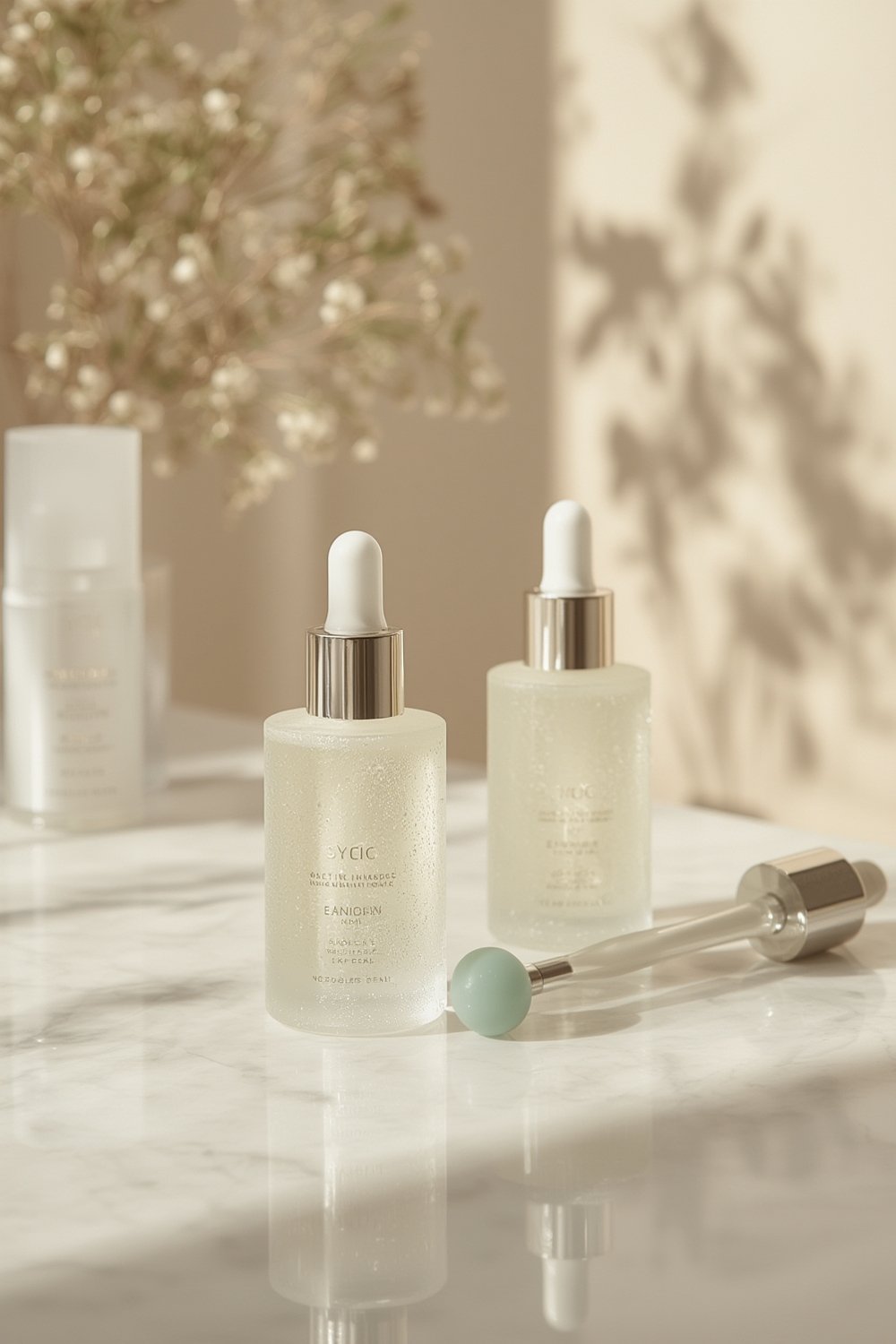
Step by Step Guide: Achieving Clinic-Style Hydration at Home
Mastering a realistic skin booster at home routine takes more than just switching on a device. To maximize both safety and results, follow these steps:
-
Choose the Right Device:
- Look for Korean beauty tools with multiple energies (RF + LED). Avoid devices without proven clinical trials or reputable safety certifications.
- Popular choices: Home-use RF + LED, microneedling pens with single-use sanitized tips, and LED masks. See our Korean beauty tools guide for details.
-
Prep and Cleanse:
- Double cleanse thoroughly—for example, with a low pH Korean cleanser—before device use to avoid trapping impurities under the skin barrier.
-
Layer Hydrating Bases:
- Apply a hydrating toner and a thin layer of barrier repair ampoule before using devices (unless otherwise directed in the manual).
-
Device Application:
- Use device as directed on low or medium settings 1–3 times per week. Work in small sections, never on broken skin or active irritation. For LED masks, use for 10-20 minutes; for RF or ultrasound, glide gently and avoid overuse.
-
Infuse with Booster Ampoules:
- Immediately after device use, apply a clinic-inspired ampoule such as PDRN ampoules, exosomes, or snail mucin. Tap gently for full absorption.
-
Seal and Protect:
- Finish with a light moisturizer or collagen jelly cream, and daily SPF.
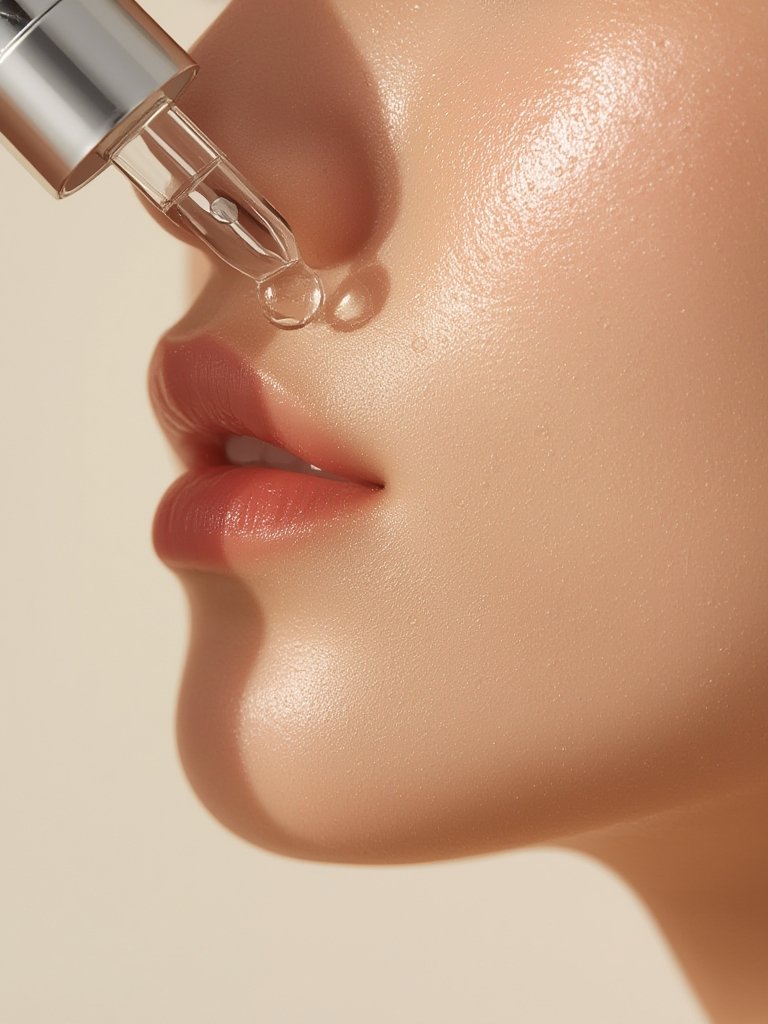
Device Maintenance and Safety
- Clean all device parts with alcohol wipes after every session. Replace heads or ampoule cartridges as directed.
- Only use approved topical solutions for your specific device. Never mix unknown actives or harsh acids before or after device use.
- Patch test boosters if you have sensitive skin or a history of reactivity.
Advanced Analysis and Common Pitfalls
Despite promising data, there are important caveats and risks in using a skin booster at home:
The Limits of Home Devices vs. Clinic Treatments
| Aspect | At-Home Devices | Professional Clinic |
|---|---|---|
| Hydration & Elasticity | Visible boost with regular use; collagen stimulation confirmed by clinical trial | Superior deep structural changes, longer-lasting resilience |
| Deep Scars/Pigment | Minor improvement possible | Best results with ablative lasers like CO₂, Er:YAG |
| Wrinkles | Fine line softening, visible glow | Deeper lifting and firming (e.g., Ulthera) |
| Downtime | Minimal to none | May require days of recovery |
| Cost (per 12 months) | $600 ± for device/ampoules | $6,000 ± for clinic plans |
Misconceptions and Overuse Risks
- More is not better: Daily use or high power can disrupt skin barrier, causing dryness or mild burns. Always follow safe guidelines.
- Ingredient confusion: Do not mix exfoliating acids (AHA/BHA), retinoids, or vitamin C ampoules with skin booster devices unless verified safe. See our barrier repair guide for recovery plans.
- Sensitivity and allergies: Patch test any new ampoule or mask, particularly with trending ingredients like exosomes, PDRN, or peptides that may cause sensitivity in some users.
Some device types such as microcurrent or ultrasonic spatulas (see usage tips) can safely complement boosters for improved texture, but always use on separate days from intense treatments.
Cost and Device Standards
- Buy devices with at least basic regulatory approval, even if not FDA-cleared. Look for customer service and detailed usage manuals in English.
- Understand upkeep costs—RF/LED devices need little maintenance, but microneedling pens require disposable heads and strict sanitation.

Conclusion
In 2024, a skin booster at home routine is a highly effective, realistic way to improve hydration, elasticity, and the coveted “glass skin” glow—when done consistently and with care. While at-home technology now approaches clinical-level benefits for basic hydration and visible glow, deep correction of scars and advanced aging still requires clinic treatment. For best results, layer your home device with curated Korean ampoules and barrier-focused skincare, always personalized to your needs. Explore related Korean beauty routines to build a complete system for your healthiest skin yet.
Frequently Asked Questions
Can at-home Korean skin boosters replace clinic treatments?
No. At-home devices improve hydration, mild elasticity, and glow, but deep scars, severe pigmentation, and advanced wrinkle correction require clinic-grade treatments.
What is the best Korean skin booster device to start with?
Start with a multi-energy RF + LED device from a reputable Korean beauty brand. Check for clinical trial data and basic safety certifications.
Is it safe to use ampoules with home devices?
Yes, if you patch test and avoid combining harsh actives before or after device use. Focus on hydrating, soothing ampoules and follow device manufacturer guidelines.
How often should I use skin booster devices at home?
Typically 1–3 times per week, depending on your skin tolerance and device type. Always follow the specific product instructions.
Are there risks of skin damage with overuse?
Yes. Overuse of RF, microneedling, or LED can irritate or damage the skin barrier. Monitor for redness, dryness, or stinging, and allow sufficient recovery days between sessions.