
Sleeping mask korean products are central to the modern K-beauty routine, winning worldwide attention for their promise of overnight hydration and a glass skin glow. As global skincare trends evolve, these leave-on masks turn your sleep hours into active skin recovery time. While sleeping masks can enhance hydration, realistic expectations matter: ingredient formulations, skin type, and use frequency all affect your results.
Key Takeaways
- The global sleeping mask market is growing fast, driven by demand for overnight hydration in both Asia and the US.
- Most Korean sleeping masks use gel formulas targeting hydration, yet published studies on ingredients or “glass skin” claims are limited.
- For best results, integrate sleeping masks with a full Korean skincare routine prioritizing gentle layering and barrier care.
- What Is a Sleeping Mask Korean and How Does It Work?
- Step by Step Guide: Adding Sleeping Masks to Your Routine
- Advanced Analysis and Common Pitfalls
- Conclusion
- Frequently Asked Questions
What Is a Sleeping Mask Korean and How Does It Work?
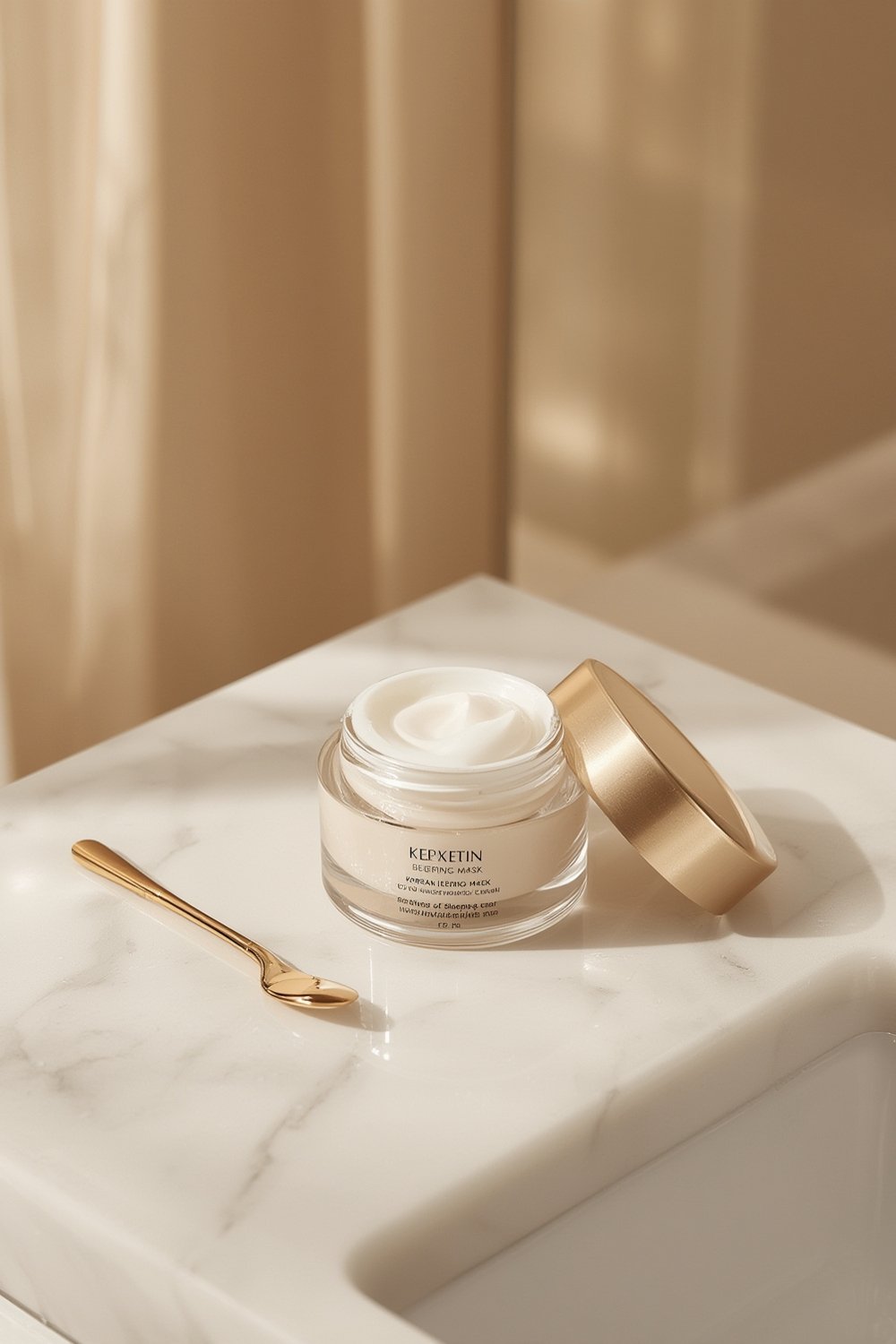
Sleeping mask korean products—also called hydrating sleeping packs or overnight glow masks—are designed as the final step of your nightly skincare routine. Unlike traditional wash-off or sheet masks, they form a breathable seal on your skin to reduce moisture loss and deliver active ingredients while you sleep. Their rise reflects the K-beauty ethos of gentle, effective barrier care and layered hydration.
Typically formulated as lightweight gels or creams, sleeping masks suit all skin types. By locking in moisture and supporting overnight recovery, they help skin appear smoother and more radiant by morning. Their popularity is surging: the global market reached USD 19.3 million in 2024, with major growth in the US, South Korea, and across Asia due to the influence of the wider K-beauty movement.
These masks complement the full Korean skincare layering tradition that emphasizes building an effective, non-irritating routine. Products such as centella ampoules for barrier repair or glass skin toners help create an optimal base before applying your sleeping mask.
Step by Step Guide: Adding Sleeping Masks to Your Routine
How to Use a Sleeping Mask Korean for Best Results
- Cleanse: Begin with a gentle cleanse to remove makeup, sunscreen, and daily buildup. For smoother application, try a Korean exfoliating mitt once or twice weekly (never on irritated skin).
- Layer Lightweight Hydration: Apply your usual toner (such as a brightening rice toner), essence, or serum. Choose calming ingredients for sensitive skin (centella asiatica or snail mucin).
- Seal with Sleeping Mask: As your final step, spread a thin, even layer of your sleeping mask korean product over the face. Avoid the eye area.
- Leave On Overnight: Allow the mask to absorb for a few minutes before lying down. Rinse with lukewarm water in the morning.
- Frequency: Use 2-3 times per week, or as needed. Overuse may clog pores or cause breakouts for some skin types.
Integrating a sleeping mask into your night-time ritual also pairs well with at-home devices. For deeper penetration, consider adding a weekly ultrasonic skin scrubber or LED mask session (on different nights), then follow with barrier-supporting ingredients and your overnight mask.
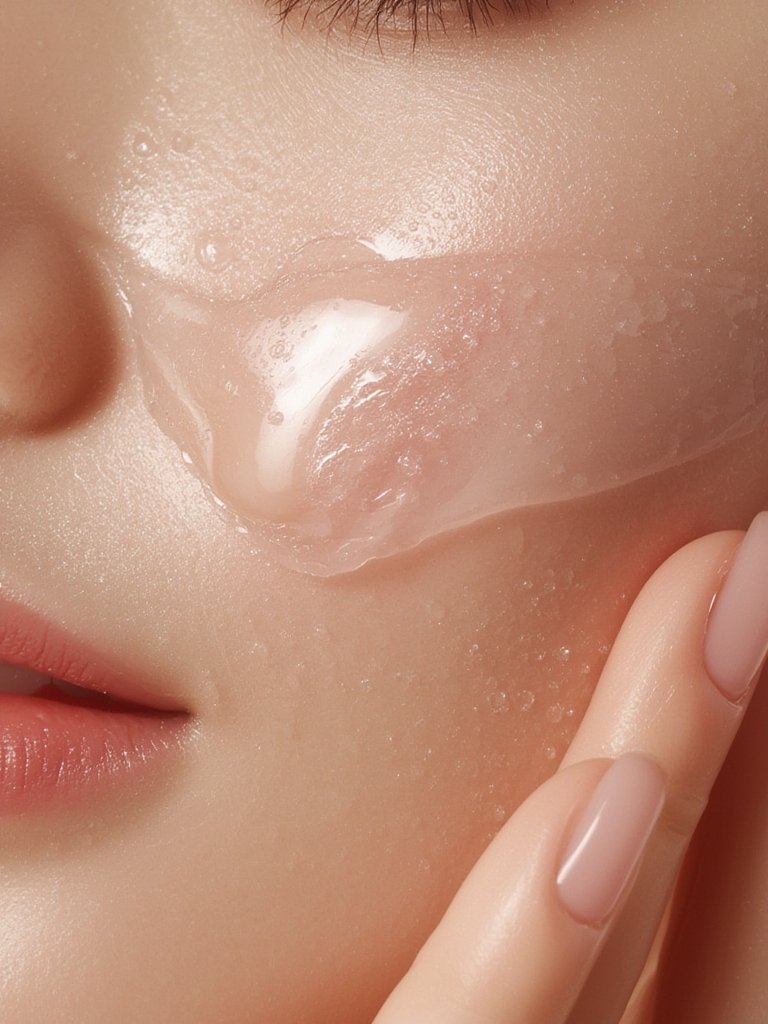
- If you have oily or acne-prone skin: Look for lightweight, non-comedogenic gel masks and patch test before full-face use.
- If your focus is anti-aging or damage repair: Seek advanced formulas with added antioxidants or skin-repair ingredients that complement your PDRN or exosome ampoule. Learn more about PDRN skincare for skin recovery.
- For body care: Try similar overnight hydrating packs on dry hands, elbows, or feet alongside your body care essentials.
Advanced Analysis and Common Pitfalls
Ingredient Sensitivity & Realistic Claims: What Does Research Show?
While sleeping mask korean options are usually gentle, ingredient transparency in the market can be inconsistent. No recent published dermatological studies specify which sleeping mask formulations yield the best “glass skin” or hydration results. According to market data, gel-based sleeping masks dominate the product category at 34.7% share in 2024 due to a lightweight feel and perceived hydration, yet effectiveness will depend on the specific blend of humectants, occlusives, and soothing additives.
Frequent pitfalls include the temptation to use sleeping masks too often, applying thick layers, or skipping barrier-friendly steps. Overuse may result in clogged pores or increased sensitivity, especially if the formula contains strong fragrance or extracts. By contrast, traditional night creams or moisturizers may offer similar hydration when used within a structured Korean skincare routine, especially those focused on skin barrier repair.
Prices for top sleeping mask korean products vary widely and are not necessarily a guarantee of performance. Always patch test and check for potential irritants if you have eczema, rosacea, or other sensitivities.
| Sleeping Mask Korean | Traditional Moisturizer | Sheet Mask |
|---|---|---|
| Leave-on gel or cream, seals active ingredients overnight | Cream/lotion texture, supports daily hydration | Single-use, 10-20 minutes exposure, serum-based |
| Best for intensive moisture, glass skin look | Best for consistent hydration, day and night | Quick boost, but less lasting effect |
| Use 2-3 times per week | Use twice daily | Use occasionally |
Data on user complaints, breakouts, or overall ineffectiveness is lacking in current research. As with any K-beauty trend, tailor your usage to your personal skin type, and adjust frequency if you notice irritation or dullness.
Conclusion
Korean sleeping masks play a unique role in holistic skincare, helping skin recover overnight with focused hydration and barrier support. Even as the sleeping mask korean market expands and claims increase, best results come from consistent layering, realistic expectations, and mindful selection of ingredients. Explore related Korean beauty routines—from glass skin skincare to at-home devices—to build a complete self-care system tailored to your needs.
Frequently Asked Questions
How often should I use a sleeping mask korean product?
For most skin types, 2-3 times per week is enough. Adjust frequency based on your skin’s hydration needs and response.
Can I use a sleeping mask instead of my regular moisturizer?
Sleeping masks are designed as an extra hydration step, not a daily replacement for moisturizer. For optimal results, use it on top of your moisturizer 2-3 nights a week.
What skin types benefit most from Korean sleeping masks?
Most skin types can benefit, especially dry, dehydrated, or dull skin. Oily or sensitive skin users should select lightweight, fragrance-free gels and patch test first.
Are there proven ingredients in sleeping masks for glass skin?
Current research does not specify exact ingredients for glass skin results in sleeping masks. Look for hydrating agents such as glycerin, hyaluronic acid, and soothing extracts, but results will vary.
Should I use a Korean sleeping mask with other K-beauty products?
Yes. Sleeping masks work best with layered Korean skincare steps like toner pads, hydrating serums, and barrier-repair ampoules for a holistic routine.