
rice toner korean is one of the most talked-about categories in today’s Korean beauty scene, often promoted as a gentle solution for hydration, glow, and “glass skin.” But what makes rice toner special, and does it actually deliver on its claims? This guide offers a realistic, evidence-driven look at rice toner korean, focusing on what you can expect, how to get the most from this product, and pitfalls to avoid for true K-beauty results. If you’re seeking instant brightening or dramatic pigmentation changes, you may want to adjust expectations—clinical evidence is modest, but strategic use of rice toner fits well into a holistic Korean self-care ritual.
Key Takeaways
- Rice toner korean provides mild hydration and supports barrier function, but direct clinical evidence for significant brightening is limited as of 2024.
- Fermented rice extracts and amino acids can soothe, reduce visible redness, and enhance nutrient absorption, making rice toners ideal for sensitive or dehydration-prone skin types.
- Layering rice toner with complementary staples—such as centella ampoule or Korean serums—maximizes results in the Korean skincare routine.
- The Core Concept: Understanding Rice Toner Korean
- Step by Step Guide: How to Use Rice Toner Korean
- Advanced Analysis and Common Pitfalls
- Conclusion
- Frequently Asked Questions
The Core Concept: Understanding Rice Toner Korean
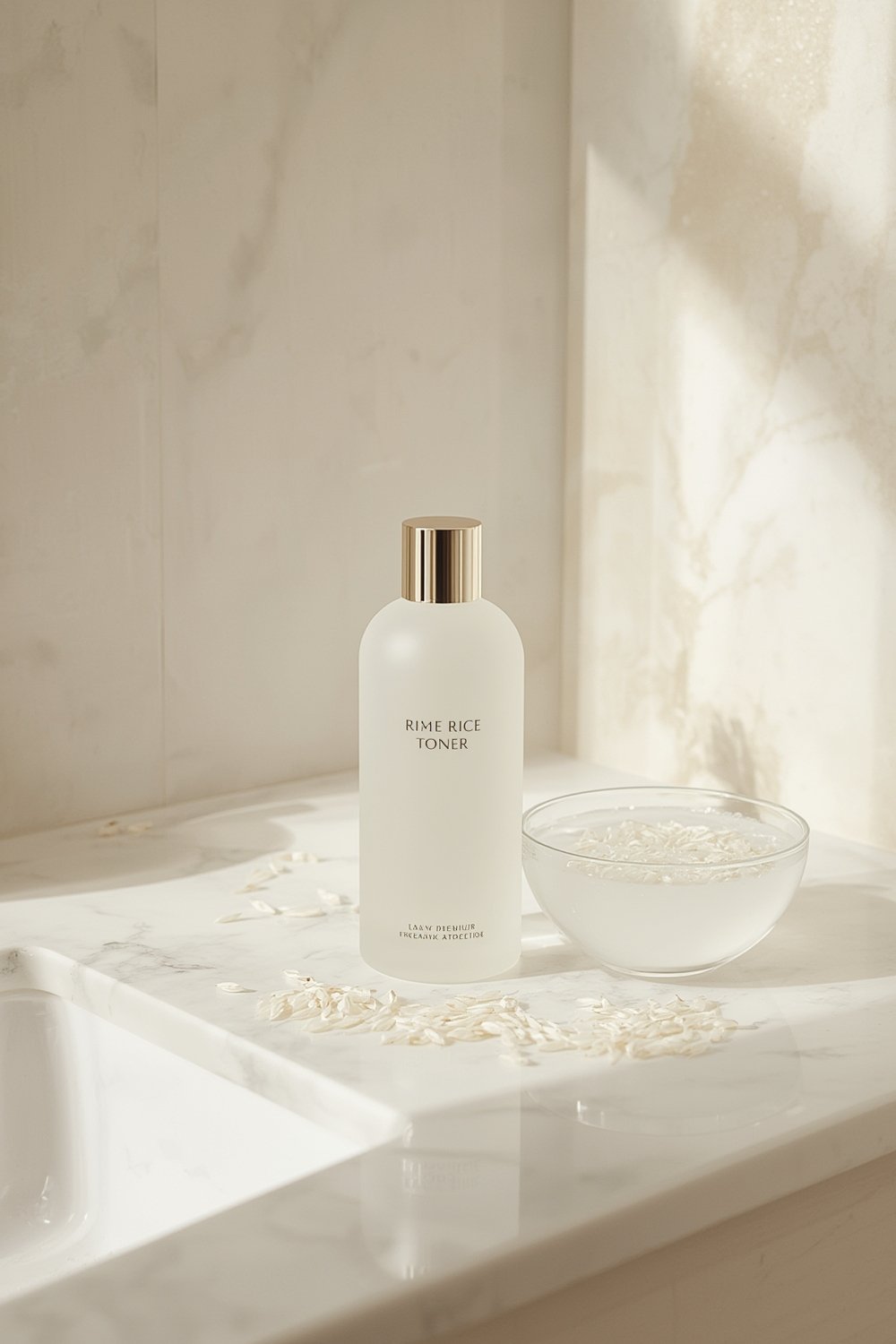
Rice toner korean refers to facial toners formulated with either fermented rice water, rice bran extract, or rice-derived amino acids. This K-beauty staple traces its roots to historical self-care, where rice water was used for its gentle clarifying and moisturizing effect. In modern Korean skincare, these toners are valued for:
- Balancing the skin after cleansing (restoring hydration and ideal pH)
- Providing a soft, luminous glow through gentle water-based ingredients
- Supporting the “glass skin” look—smooth, translucent, and dewy
- Complementing sensitive skin routines with minimal irritation
Rice toner fits seamlessly into the multi-step Korean skincare routine by preparing the skin for effective absorption of ampoules, serums, and barrier creams. Compared to astringent Western toners, rice toners in Korea focus on hydration, nutrient layering, and calmness—core pillars of Korean skincare.
Step by Step Guide: How to Use Rice Toner Korean
How to Layer Rice Toner Korean for Glass Skin Results
To maximize the benefits of rice toner korean, follow these actionable steps, especially if you’re aiming for a “glass skin” or glow finish:
- Double Cleanse: Begin with an oil-based cleanser followed by a gentle foaming cleanser. This removes sunscreen, makeup, and daily impurities, creating the ideal base for rice toner.
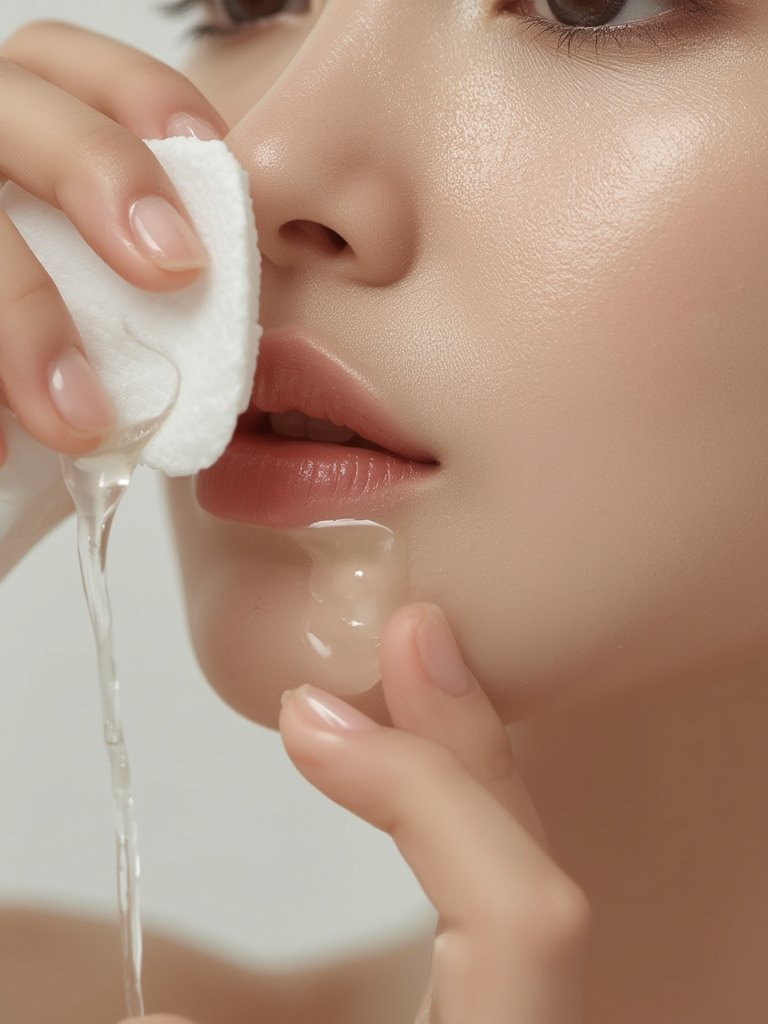
- Apply Rice Toner: Directly after cleansing, dispense toner onto clean palms or a cotton pad. Gently pat (don’t rub) into the face, focusing on cheeks and forehead.
- Layer if Desired: For increased hydration, use the “7 Skin Method”—layering rice toner in thin, repeated applications (usually 2-3 for most, up to 7 for very dehydrated skin).
- Add Actives: Once absorbed, proceed to targeted treatments such as Centella ampoule for calming or PDRN ampoule for extra repair.
- Seal with Moisturizer: Finish with an emollient cream or gel to lock in hydration and reinforce the skin barrier.
- Korean hair care tip: Pat leftover toner onto the neck and hairline to gently soothe post-shower sensitivity.
- Enhance absorption of actives (like exosome ampoule or stem cell serums) by ensuring skin is slightly damp from rice toner.
Advanced Analysis and Common Pitfalls
Does Rice Toner Korean Really Brighten Skin?
Despite the popularity of rice toner korean for brightening, 2024 research shows its pigmentary effect is modest and often not statistically significant compared to placebo or other toners. In placebo-controlled trials, rice toner increased skin hydration (+17 to +21% by Corneometer) and reduced redness or erythema, especially in sensitive skin populations (reference). However, objective improvements in actual skin brightness were minor and sometimes confounded by additional actives like niacinamide.
Ingredient Sensitivity and Safety
- Modern rice toners usually omit alcohol and fragrance, minimizing risk for irritation when used as directed.
- No significant side effects or complaints have been documented across major beauty retailers or forums as of 2024 .
- Those seeking aggressive pigment lifting should temper expectations; even Dr. Lena Rodriguez notes rice toner korean is not a “depigmenting powerhouse” (source).
Overuse, Layering, and Diminished Returns
Over-applying rice toner (“7 skin method” several times daily) may increase hydration but does not accelerate brightening or spot-fading. Discontinue use if you notice increased redness or sensitivity, especially when also using exfoliating actives or retinol. Combine with spicule skincare for enhanced delivery, but avoid simultaneous use with strong actives to reduce barrier stress.
| Aspect | Rice Toner Korean | Classic Hydrating Toner | Exfoliating Toner |
|---|---|---|---|
| Main Actives | Fermented rice extract, rice bran water, amino acids, antioxidants | Hyaluronic acid, glycerin, panthenol | AHAs/BHAs (glycolic acid, salicylic acid) |
| Hydration | Moderate to strong | Strong | Low (unless combined with humectants) |
| Brightening | Mild, mostly from barrier support and soothing | Limited | Can fade superficial pigmentation but higher risk of sensitivity |
| Irritation Potential | Very low | Very low | Moderate to high (depends on acid strength) |
Note: The latest data does not provide direct pH or alcohol comparisons between brands like Beauty of Joseon and MIDHA in 2024 (source).
As seen in one mini case study, some users experienced less cheek redness with rice toner korean, but improvement was likely due to removal of irritants in the rest of the routine—not just toner application [external study].

Conclusion
Rice toner korean fits beautifully into the modern K-beauty ritual: it’s a scientifically gentle, hydration-focused toner that makes skin feel supple, soft, and ready for further treatments. If your priority is supporting your barrier, soothing mild redness, or prepping for actives like centella or exosomes, rice toner is a practical choice. If dramatic pigmentation fading or instant “runway glass skin” is your goal, align expectations and consider broadening your routine with additional actives. To get the most from rice toner korean, explore related Korean beauty routines and build a tailored system that delivers healthy, lasting results.
Ready to elevate your results? Explore our guides to Korean personal care essentials, deepen your understanding of Korean skincare philosophy, or try modern beauty tools and devices for at-home results.
Frequently Asked Questions
Does rice toner korean work for all skin types?
Rice toner korean is generally well-tolerated by most skin types, especially sensitive and dehydrated skin, due to its low irritation potential. However, those with severe fungal acne or rice allergies should do a patch test first.
Can rice toner korean be used with exfoliating acids?
Yes, but use caution: alternate days or use rice toner in the morning and exfoliating toners at night to avoid overstressing your skin barrier. Always moisturize afterward.
How long before I see results with rice toner korean?
Most users notice improved hydration and a softer feel within 1 to 2 weeks. Visible glow or reduction in redness may take 3 to 6 weeks of consistent use, but dramatic brightening is unlikely without additional actives.
Is rice toner korean safe around the eyes and hairline?
Yes, it can be gently patted around the orbital bone and hairline to hydrate and calm, but avoid direct contact with the eyes.
What is the difference between rice toner korean and rice essence?
Rice toner delivers light hydration and prepares skin for further products, while rice essence is more concentrated and targets specific skin issues with higher doses of fermented actives and nutrients.