
protein hair mask korean products have become increasingly popular for restoring brittle, over-processed, and frizzy hair in Korean beauty routines. Their demand is driven by K-beauty’s holistic approach, focusing on both instant softness and genuine long-term strength. These masks target damaged hair with hydrolyzed proteins and ceramides, but realistic expectations are important: while you may see smoother strands in one use, consistent care is vital for lasting results. Understanding their purpose and potential pitfalls empowers you to get the best results for your hair health journey.
Key Takeaways
- Korean protein hair masks deliver intense hydration and repair for severely damaged, brittle, or chemically treated hair, with salon-like results after one use.
- Overuse, especially on healthy or protein-sensitive hair, can lead to stiffness or breakage—proper usage frequency is key.
- Most products lack official clinical data; results are primarily based on viral user reviews and experiential feedback.
- What Is a Protein Hair Mask Korean? Core Concept
- How to Use Protein Hair Masks: Step by Step Guide
- Advanced Analysis and Common Pitfalls
- Conclusion
- Frequently Asked Questions
What Is a Protein Hair Mask Korean? Core Concept
A protein hair mask korean is a deep conditioning treatment formulated with hydrolyzed proteins like collagen, keratin, and amino acids specifically to repair damaged hair. Unlike basic conditioners, these masks work by delivering low-molecular-weight proteins and lipid complexes into the hair shaft, helping to reconstruct weakened, porous, or chemically processed hair fibers. Key Korean products include the Elizavecca CER-100 Collagen Coating Hair Protein Treatment and KUNDAL Honey & Macadamia Hydro-Intensive Protein Premium Hair Treatment, which provide salon-level smoothness, resilience, and shine, often after a single application.
This fits into Korean hair care’s “scalp-first” philosophy and science-first barrier thinking: you rebuild the integrity of each strand, just as you would focus on skin barrier repair in Korean skincare routines. Frequent coloring, perming, sun exposure, or heat styling weakens the keratin bonds in hair. Korean protein hair masks, when used correctly, can restore softness and elasticity, reducing the frequency of future salon interventions. However, most evidence is anecdotal—expect healthy shine and smoothness, not miracle cures, especially if hair is healthy or low-porosity.
How to Use Protein Hair Masks: Step by Step Guide
- Shampoo and Towel Dry: Start with a gentle Korean shampoo, focusing on scalp health (scalp-first routines are foundational). Gently squeeze out excess moisture for better product penetration.
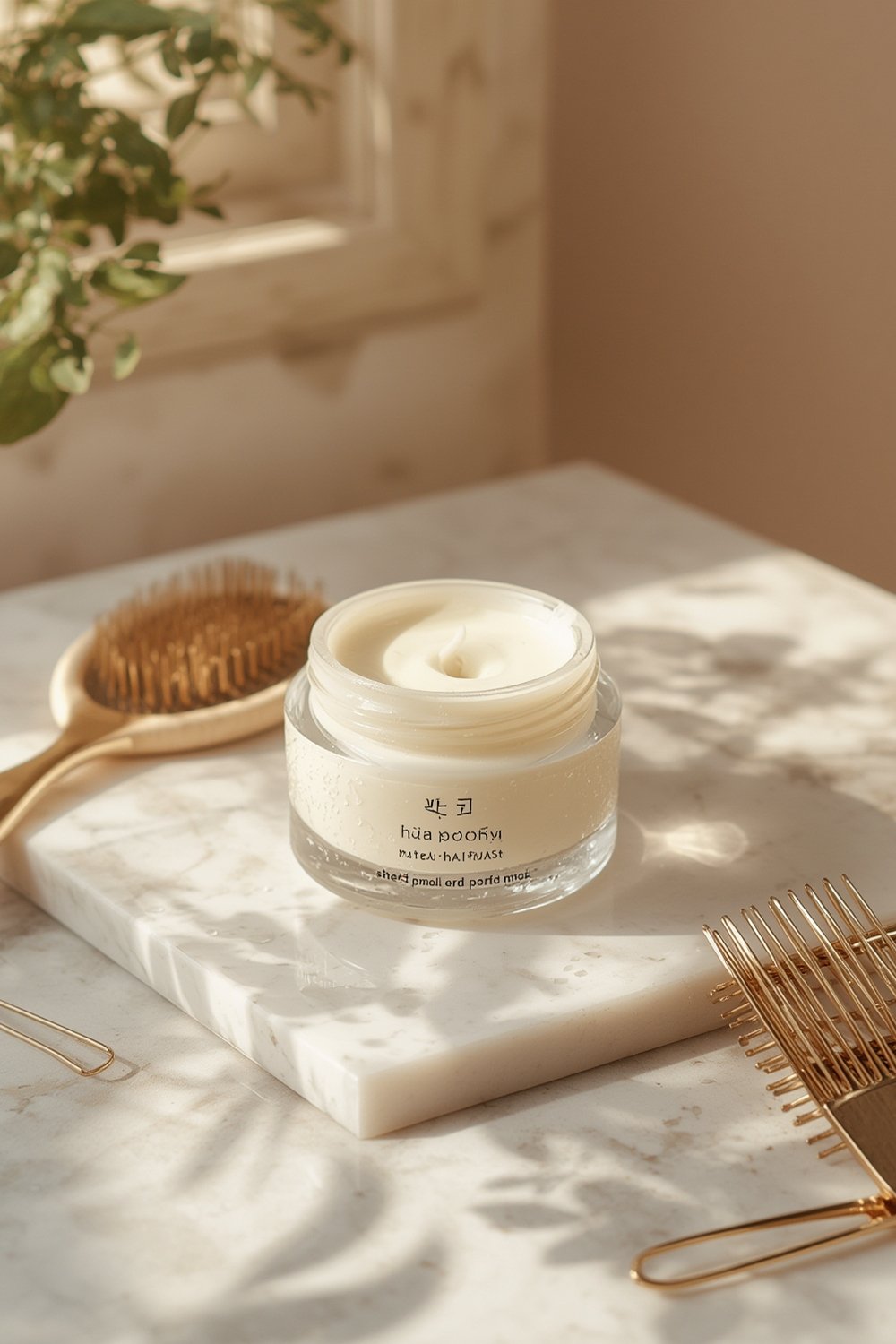
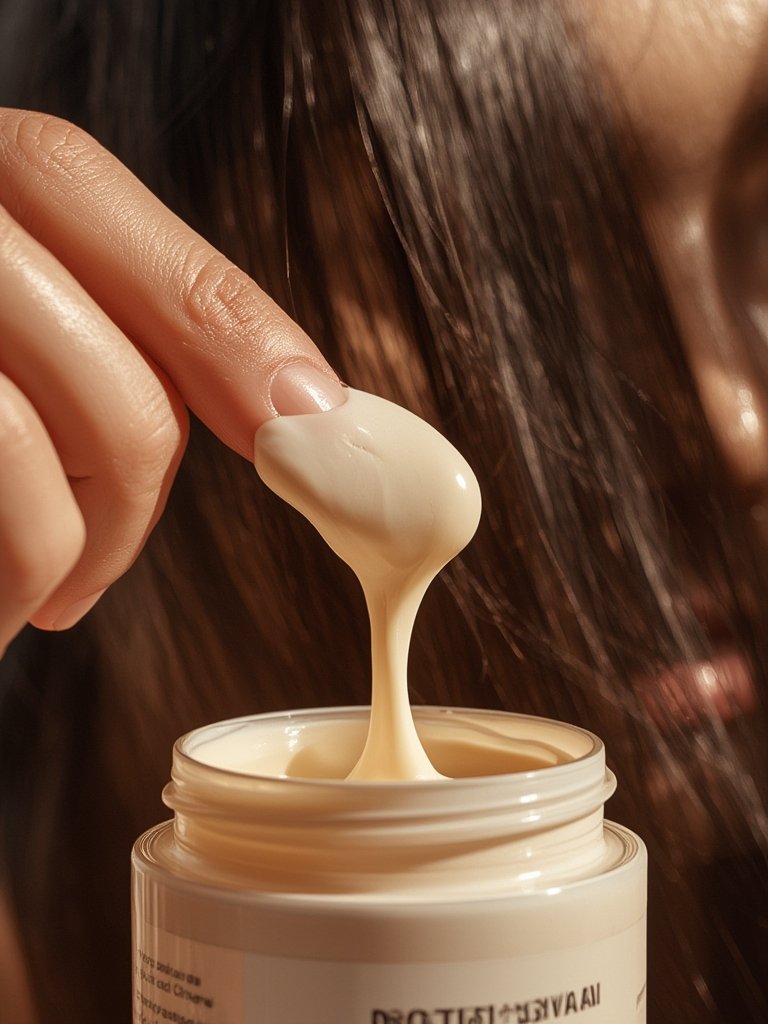
- Apply the Protein Hair Mask: Dispense a walnut-sized amount (adjust for hair length and thickness). Focus on the most damaged mid-lengths and ends, avoiding the scalp unless product instructions specify otherwise.
- Distribute Evenly: Use a wide-tooth Korean hair comb or fingers. Sectioning the hair ensures every strand is coated.
- Wait the Recommended Time: Most Korean masks perform within 10-20 minutes. steam caps (like Mediheal Hair Sheep) create self-heating effects, maximizing penetration without heat tools.
- Rinse Thoroughly: Use cool or lukewarm water until hair feels clean and not slippery. Over-rinsing may reduce benefits, but product residue can cause buildup.
- Optional: Layer With Korean Hair Essences or Scalp Serums: Follow up with a scalp serum korean or leave-in hair essence for added nourishment and shine.
- Blot and Air Dry: Use a microfiber towel for damage minimization and air dry when possible.
- Frequency: For damaged hair, once per week is standard. For healthy or protein-sensitive hair, once every 2–3 weeks suffices to prevent protein overload.
Advanced Analysis and Common Pitfalls
Many people assume a protein hair mask korean can benefit any hair type, but overuse can cause hair to become stiff or even lead to breakage, especially for those with healthy or protein-sensitive hair. Most Korean protein hair masks—like Elizavecca CER-100, KUNDAL, and Mediheal—use hydrolyzed collagen, keratin amino acids, and ceramides. These ingredients help reinforce weak, chemically treated, or porous hair, but are unnecessary or potentially counterproductive if your hair is already strong and flexible.
One commonly overlooked area is the balance of moisture versus protein—K-beauty logic recommends integrating hydrating and restorative steps, not relying on high-protein formulas continuously. Most top articles fail to warn about potential protein overload or the importance of matching frequency to your porosity and ethnic background. For instance, individuals with fine, low-porosity, or non-processed hair might only need protein treatments every 3–4 weeks, while curly or color-damaged hair could benefit from weekly sessions (source).
Another nuanced risk: highly sensitive users may experience dermatitis from carrier ingredients (rare in masks, but not impossible), especially if fragrance or herbal extracts dominate. One hanbang-based mask drew user complaints due to a strong herbal scent, but overall, negative reactions are rare for popular K-beauty protein masks (source).
Clinical data is limited: while bond-repair technologies like Corelink-S™ boast over 120 percent tensile strength restoration in lab tests (source), the majority of traditional protein hair masks rely on user reviews with little long-term scientific evidence. Most users see dramatic smoothness, softness, and shine after one use—especially on bleached or heat-damaged hair—but there is little consensus on efficacy for different hair types in the long run.
| Korean Protein Hair Mask | Popular Example | Main Benefits | Risks / Limitations | Best For |
|---|---|---|---|---|
| Hydrolyzed Protein Mask | Elizavecca CER-100, KUNDAL Honey & Macadamia | Smooths, strengthens, reduces frizz, adds shine | Protein overload risk, limited clinical evidence | Color/bleach damage, high-lift, frequent heat styling |
| Bond Repair Mask (advanced Korean tech) | Corelink-S™ pH-responsive (2025+) | Repairs broken cysteine bonds, strengthens structure | New technology, limited market presence | Severe damage, post-perm/color, long-term repair seekers |
| Japanese Viral (in Korea) | Shiseido Fino Premium Touch | Hydration- and amino-acid-rich, silky finish | Works best when alternated with moisture masks | Dry, thick, or dull hair needing instant revitalization |
To complement hair repair, many Korean routines also employ personal care essentials for a true spa-inspired home experience, and beauty tools and devices like scalp massager electric for enhanced scalp wellness and better hair growth support.
Conclusion
Korean protein hair masks offer a science-backed yet approachable solution to damaged, brittle, or over-processed hair, echoing the proven principles of barrier care and scalp-first logic that underpin K-beauty’s success. They deliver visible improvement in softness, shine, and manageability with consistent use. The main limitation is lack of long-term clinical data—results are mostly viral and anecdotal. Use a protein hair mask korean once a week if your hair is compromised, always alternating with hydrating and scalp-nourishing steps for best results. Explore related Korean beauty routines to build a complete system that supports both your scalp and strands.
Frequently Asked Questions
How often should I use a protein hair mask korean?
Use a protein hair mask once a week for damaged, bleached, or chemically processed hair. If your hair is healthy or prone to protein sensitivity, apply only once every two to three weeks to avoid stiffness.
Can protein hair masks cause hair breakage?
Yes, if overused or applied to strong, healthy hair, protein overload can lead to stiffness or breakage. Always adjust frequency to your hair’s needs and alternate with moisture treatments.
Are there any safety concerns with Korean protein hair masks?
No major safety concerns or recalls have been reported for 2023-2024. Some individuals may experience mild irritation from fragrances or herbal extracts, but adverse reactions are rare.
What ingredients should I look for in a quality protein hair mask korean?
Look for hydrolyzed collagen, keratin amino acids, ceramides, honey extracts, botanical oils, and amino acid complexes. Avoid high-protein masks if your hair is not damaged.
Should I use a scalp serum or essence after my mask?
Yes, Korean hair care often layers a scalp essence or serum after a mask for extra nourishment, barrier support, and optimal hair growth environment.