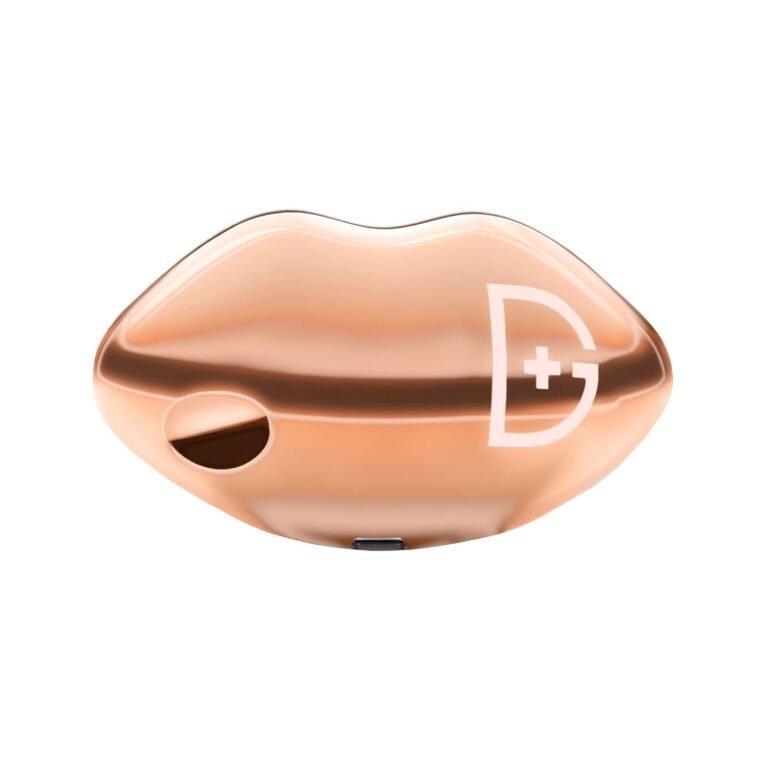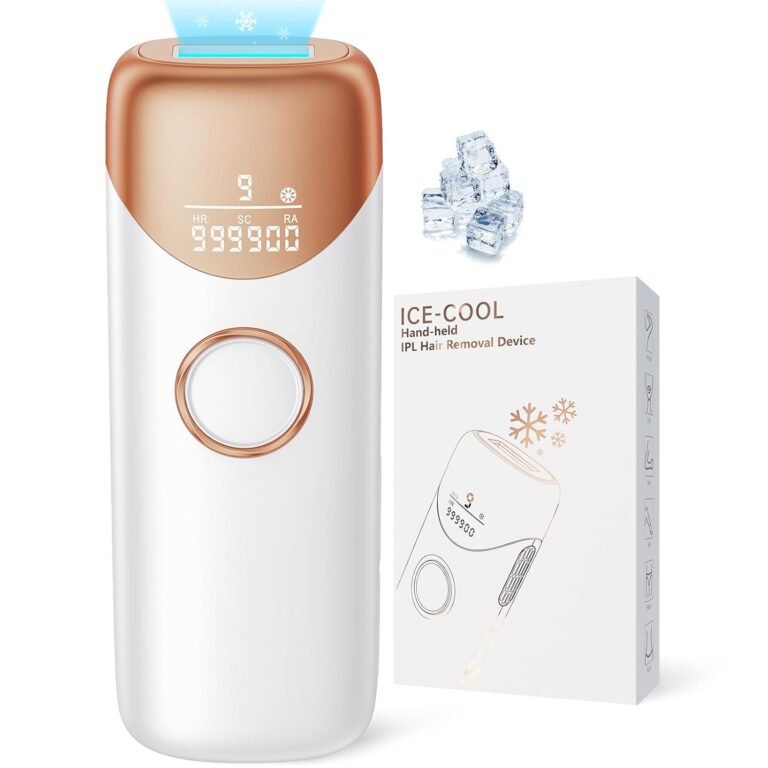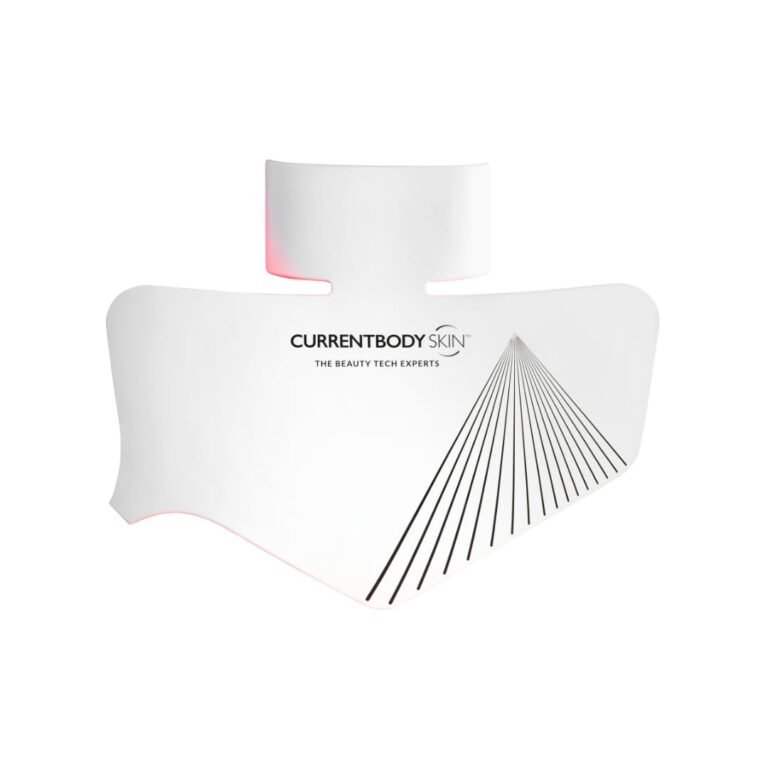
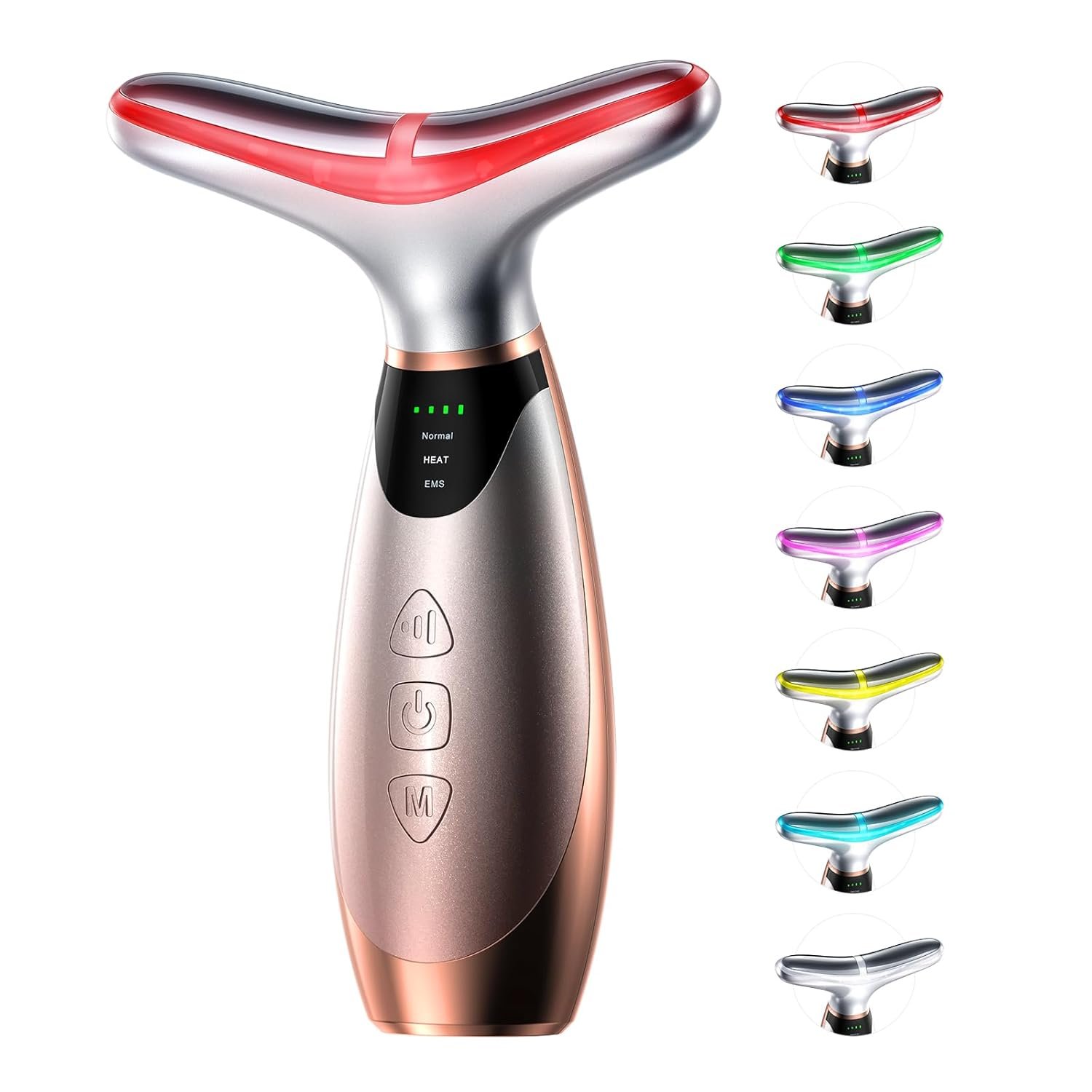

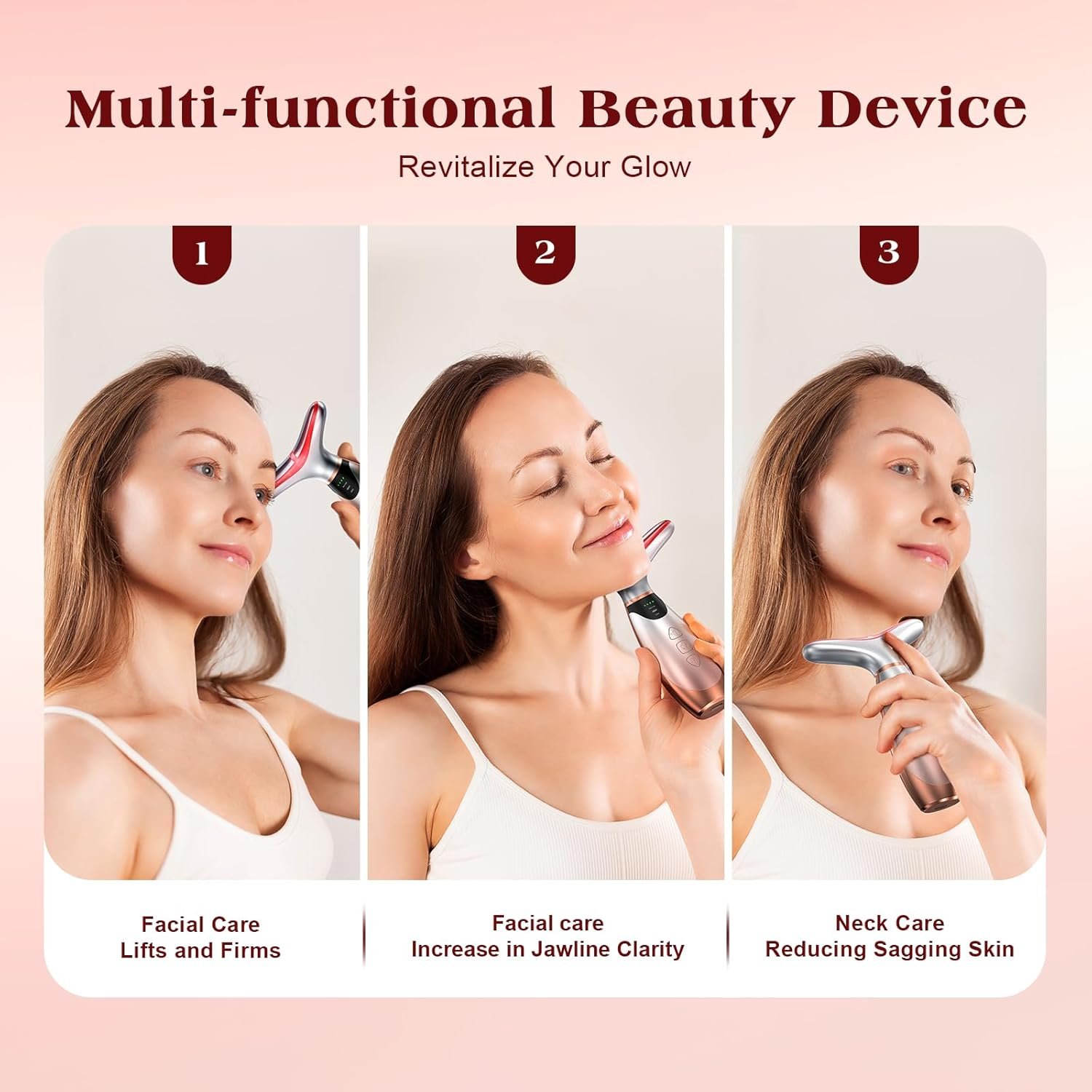
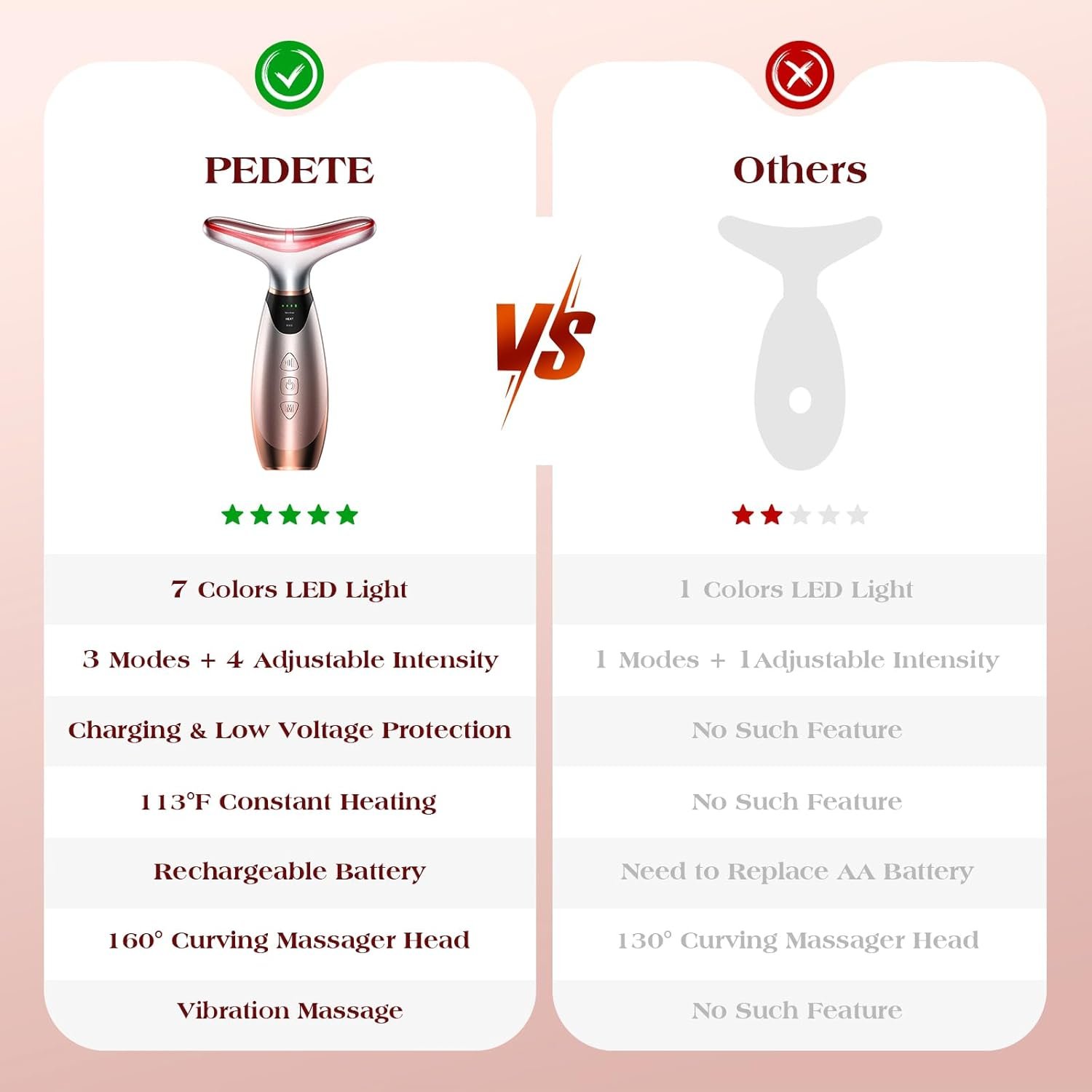
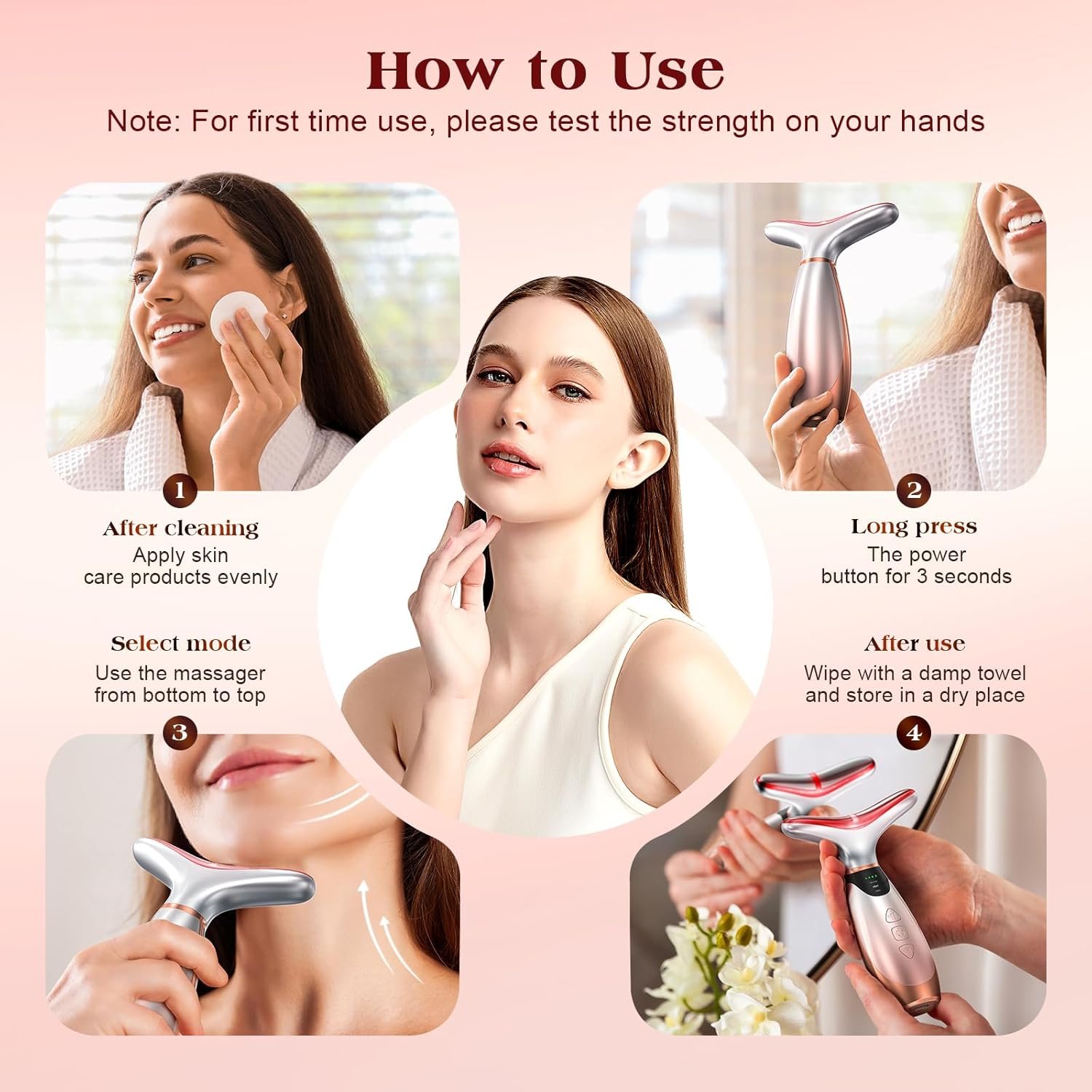
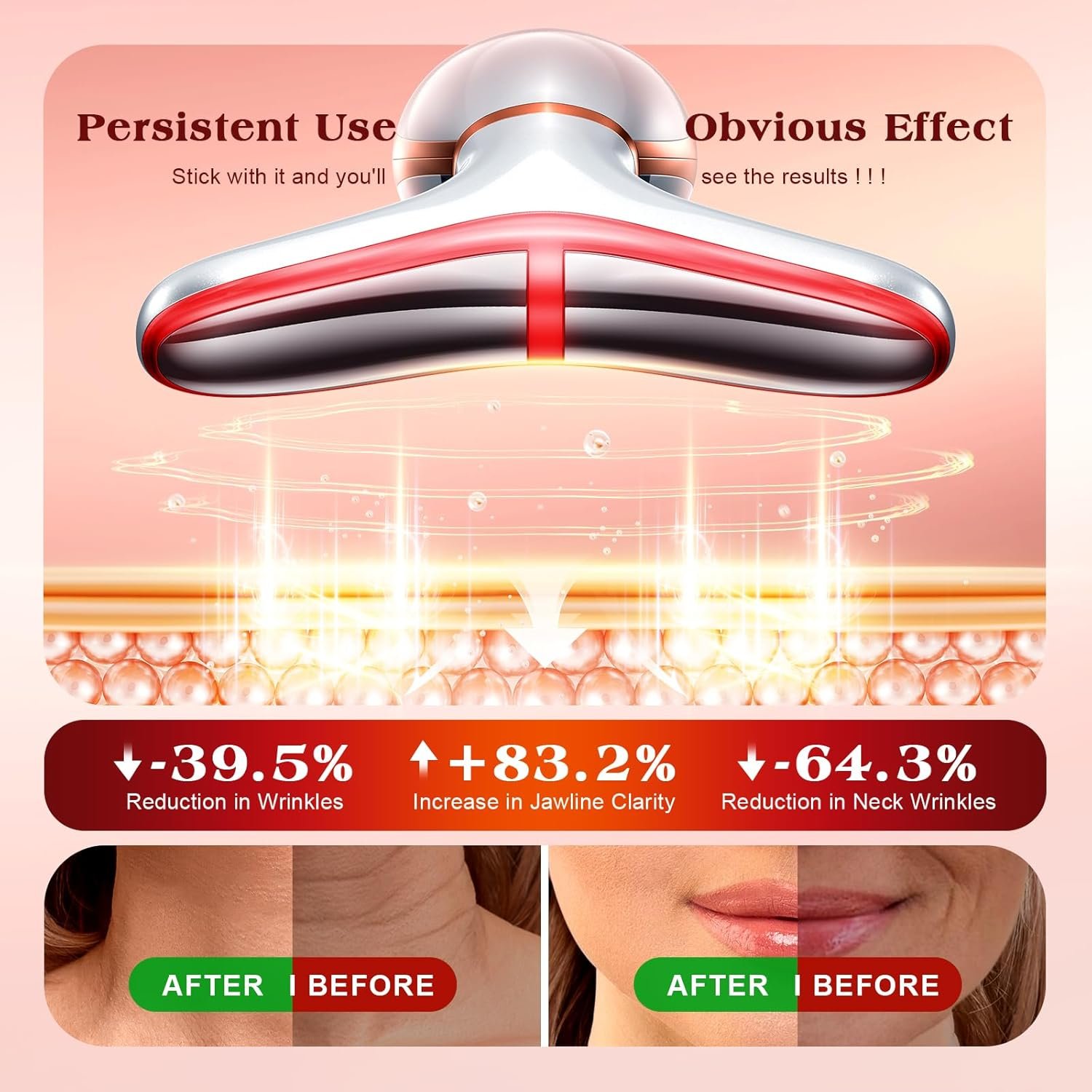

Target fine lines and post‑workout tenderness with a pocketable red‑light wand that combines 660 nm red for superficial tissues and 850 nm near‑IR for slightly deeper reach; plan short sessions per spot several times a week, protect eyes, and track results to tune duration and distance over time. For best value, look for timers, USB‑C charging, and published irradiance in the ~80–130 mW/cm² range at 1 cm so dosing can be repeatable and meaningful in home settings.
A compact wand targeting small facial and body areas with the widely studied 660 nm red and 850 nm near‑infrared wavelengths can support skin appearance and localized soreness when dosed correctly over weeks, but efficacy depends heavily on actual power density and consistent use schedules provided by the maker. Prioritize listings that disclose tested irradiance at a stated distance, list certifications (IEC 60601‑1, CE/FCC), and avoid vague “FDA‑approved” claims since the FDA typically clears low‑risk devices rather than endorsing outcomes