
### Blog Post:
hydrogel mask technology is reshaping Korean beauty routines, offering next-level hydration and advanced ingredient delivery for visible skin improvement. As K-beauty staples, hydrogel masks are now synonymous with self-care and innovation, but it’s important to set realistic expectations as not every skin concern can be resolved with sheet masks alone.
Key Takeaways
- The global hydrogel mask market is experiencing double-digit growth, driven by skincare awareness and demand for anti-aging and brightening benefits.
- Korean hydrogel masks lead with innovation and skin barrier-friendly formulas, but clinical proof for certain ingredients remains limited.
- Responsible selection and proper use address most pitfalls, with sustainability and safety data emerging as important but underreported topics.
- What Is a Hydrogel Mask in Korean Beauty?
- How to Use a Hydrogel Mask: A Step-by-Step K-Beauty Guide
- Hydrogel Mask: Advanced Analysis & Common Pitfalls
- Conclusion
- Frequently Asked Questions
What Is a Hydrogel Mask in Korean Beauty?
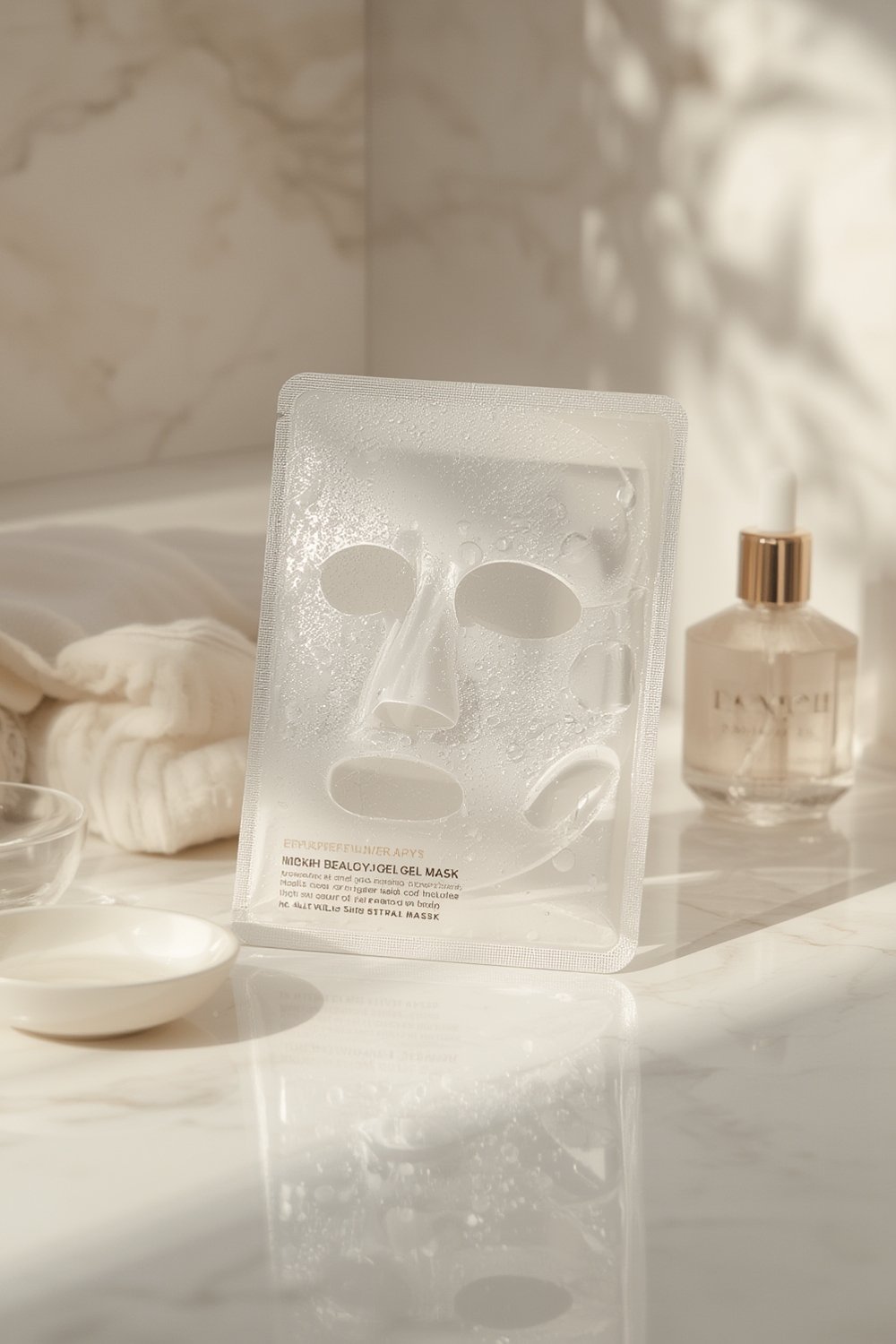
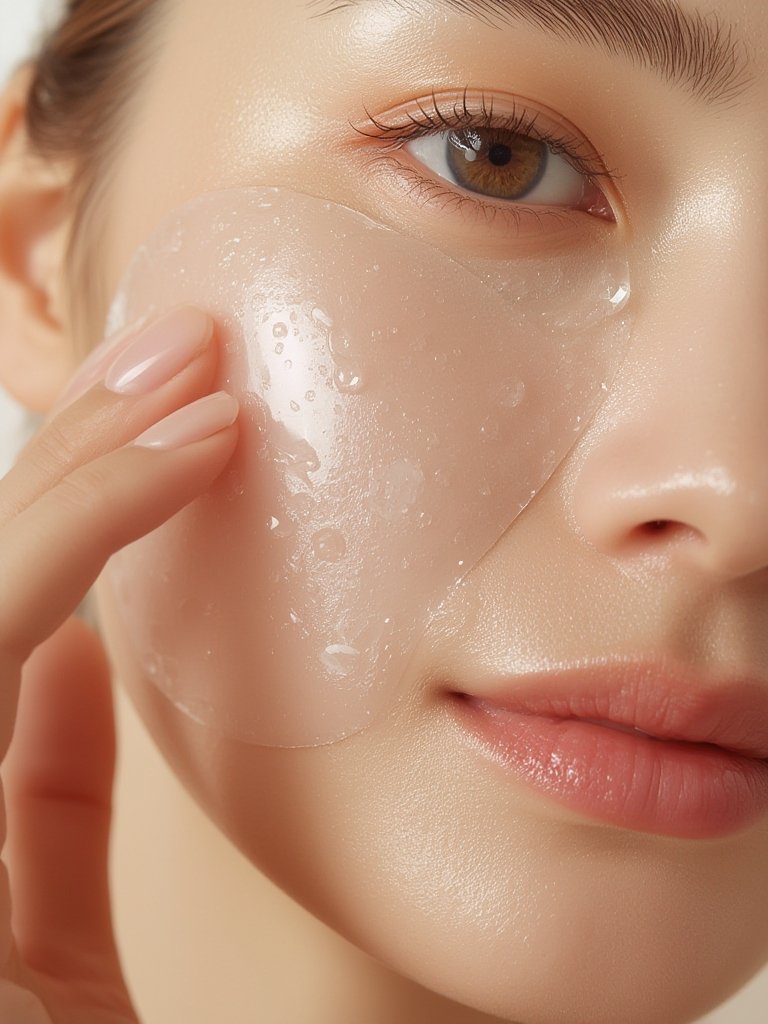
Hydrogel masks are an advanced form of sheet mask made with a gel-like matrix—usually from polymers such as agar, carrageenan, or cellulose—that absorbs and clings to the face. Unlike typical cotton or Tencel sheet masks, the hydrogel base forms a semi-occlusive barrier, locking active ingredients efficiently and keeping them in close contact with the skin for maximum absorption.
This technology fits perfectly into the Korean beauty philosophy of layering: starting with gentle cleansers, then toner pads or toner pads, followed by ampoules, serums, and finally, an occlusive step—where hydrogel masks excel. This sequence supports the core K-beauty goal: maintaining a strong, hydrated skin barrier while delivering targeted actives for visible results.
Korean hydrogel masks often focus on barrier care, soothing (for example, those with centella asiatica), brightening (such as brightening rice toner), and anti-aging, with innovations in biodegradable materials and clean ingredients gaining ground.
How to Use a Hydrogel Mask: A Step-by-Step K-Beauty Guide
To maximize the benefits of a hydrogel mask, integrate it into your Korean skincare routine as follows:
- Prep with Double Cleansing: Begin with an oil-based cleanser, followed by a gentle foaming cleanser to remove all impurities and residue.
- Apply Toner Pads or Essence: Pat in a hydrating toner or use pre-soaked toner pads to balance skin pH. This helps the hydrogel adhere and actives absorb better.
- Open and Handle Gently: Carefully remove the hydrogel mask from its packaging. Hydrogel is delicate and can tear if pulled.
- Layer Mask Evenly: Align the eye, nose, and mouth holes then smooth the mask onto your face. Some hydrogel masks come in upper and lower face sections for a better fit.
- Leave On for 15-25 Minutes: Avoid exceeding label directions, as the mask may start to draw moisture back from the skin if it begins to dry.
- Remove and Pat In Residue: Gently peel off. Use fingertips to massage any leftover serum into the face, neck, and even the back of hands.
- Finish With Ampoule or Cream: Follow with a serum or barrier repair ampoule and a light moisturizer to seal hydration.
Hydrogel Mask: Advanced Analysis & Common Pitfalls
The rise of premium hydrogel facial masks parallels growth in Korean skincare but comes with some misconceptions and limitations. Here’s what to consider based on current research and common real-world scenarios:
Effectiveness and Ingredient Claims
Many expect dramatic anti-aging or brightening results after just a few hydrogel mask uses. However, clinical data on ingredients like collagen and botanicals in masks is sparse, with no recent (2023–2026) studies showing statistically significant anti-aging benefits specifically for these formulas. Existing claims suggest a 40-60 percent increase in skin hydration and reduction in water loss, but most effects are temporary and best viewed as part of a broader skincare program (source).
Skin Sensitivity and Safety
Although marketed as gentle and suitable for sensitive skin, hydrogel masks can trigger irritation, especially if fragranced or loaded with certain actives (think vitamin C, retinol, or strong exfoliants). There’s little published safety data on allergy rates or long-term effects.
Material and Sustainability Concerns
Not all hydrogel masks are biodegradable, and few brands disclose detailed sourcing or manufacturing practices. Eco-friendliness is mentioned as a trend, with more demand for biodegradable and “clean” formulas, but little transparency exists in ingredient origin (source).
Comparison: Hydrogel Mask vs. Traditional Korean Sheet Mask
| Feature | Hydrogel Mask | Traditional Sheet Mask |
|---|---|---|
| Adherence | Highly adhesive, fits contours | May shift or peel off |
| Serum Retention | Occlusive barrier, less evaporation | More likely to dry out |
| Ingredient Penetration | Enhanced | Moderate |
| Comfort | Cool, slightly slippery | Soft, fabric feel |
| Sustainability | Some biodegradable options, information lacking | Depends on material, often single-use |
| Price | Generally higher | Lower, more budget-friendly |
Potential Overuse Risks
Using hydrogel masks daily can cause sensitivity or disrupt your skin barrier, especially if you’re layering other actives like retinol, exfoliants, or vitamin C. Limit to 1–3 times per week unless directed otherwise by a dermatologist.
For better year-round results, alternate hydrogel mask treatments with other K-beauty essentials such as foot peeling masks, PDRN ampoules, and glow toners for a balanced, layered approach.
Conclusion
Incorporating a hydrogel mask into your Korean skincare routine delivers a boost in hydration and ingredient absorption, making it a standout tool for visible glow and skin comfort. While the formula offers real short-term benefits, lasting transformation comes from a holistic K-beauty system grounded in gentle layering, barrier care, and mindful product selection. To explore more complete routines alongside the hydrogel mask, see our guides on the Korean skincare routine and beauty tools and devices for at-home skincare. Build your best skin system—one step at a time.
Frequently Asked Questions
How is a hydrogel mask different from a regular sheet mask?
A hydrogel mask uses a gel polymer to fit tightly to the face and create an occlusive barrier, boosting active penetration and hydration. Standard sheet masks use a fabric or cellulose base that may lose moisture faster.
How often should I use a hydrogel mask in my Korean skincare routine?
1-3 times per week is ideal for most skin types. Overuse can risk irritation or barrier disruption, especially when combined with other actives.
Can hydrogel masks help with anti-aging and brightening?
Some offer visible plumping and glow, but clinical evidence for long-term anti-aging or brightening benefits is limited. Use in context of a full K-beauty skincare routine for best results.
Are Korean hydrogel masks more eco-friendly or safer than other brands?
Eco-friendliness is improving, with more brands using biodegradable materials, but most don’t disclose full sourcing or safety data. Choose masks with ingredient transparency where possible.
Should I use other products before or after a hydrogel mask?
Hydrogel masks fit into the middle of your routine. Cleanse first, prep with toner pads, apply the mask, then finish with ampoules or creams for barrier support.
—