

### Blog Post:
Glass skin routine is at the core of Korean beauty and remains one of the most sought-after skincare methods for a luminous, clear complexion. As glass skin continues to evolve, realistic expectations are key: true radiance is achieved through consistent care, focused barrier support, and careful ingredient selection rather than instant perfection. This guide breaks down the actionable steps, scientific context, and practical advice you need to approach the glass skin routine intelligently in 2024.
Key Takeaways
- Korean glass skin routines are built around multi-step layering and a barrier-first philosophy for healthy, dewy skin.
- Clinically proven ingredients like fermented actives, niacinamide, and gentle acids are central to the glass skin effect.
- Consistent routines and realistic timelines are crucial; over-exfoliation and sensitization are common pitfalls.
- The Core Concept
- Step by Step Guide
- Advanced Analysis and Common Pitfalls
- Conclusion
- Frequently Asked Questions
The Core Concept
The glass skin routine is a structured, multi-step skincare method originating from Korea that aims to deliver skin with a poreless, translucent, and hydrated finish—much like polished glass. This routine prioritizes intensive, repeated hydration and skin barrier reinforcement using light layers of targeted treatments.
Why does it work so well in the context of Korean beauty? The answer is twofold: first, the Korean skincare strategy is founded on a proactive, patient approach with gentle but effective actives layered in sequence. Second, science-backed barrier care has become fundamental. Recent studies, such as a 2025 Journal of Cosmetic Dermatology trial, confirm that bacterial fractions and saccharides significantly accelerate skin barrier recovery within 48 hours after disruption—directly correlating with the type of gentle actives found in today’s Korean serums and essences (source).
Beyond achieving instant glow, glass skin routines focus on the skin’s health and resilience. By emphasizing ingredient absorption (including clinically proven actives like fermented extracts, niacinamide, and essential fatty acids), the method syncs perfectly with the Korean beauty philosophy of prevention, not just correction. For an in-depth breakdown of the foundational Korean skincare routine and how it built the glass skin trend, visit this guide.

Step by Step Guide
A glass skin routine is both methodical and customizable. Here’s a stepwise blueprint, grounded in 2024’s most reliable evidence and professional techniques.
- Gentle Double Cleansing: Start with a light oil cleanser to remove SPF and makeup residue, followed by a mild water-based cleanser that preserves barrier lipids. For sensitive or barrier-focused routines, avoid sulfates. This step readies your skin for optimal absorption.
- Exfoliation (1-2x Weekly): Choose between a low-strength AHA/BHA or milder rice extract-based toner pads. Over-exfoliation is a leading cause of sensitivity—err on the side of less if in doubt. If you’re new to Korean exfoliation, our Korean exfoliating mitt guide explains gentle body exfoliation tips.
- Hydrating Toner & Essence Layering: Apply a hydrating, skin-prep toner (like a brightening rice toner) to damp skin for extra plumpness. Follow with a watery essence packed with fermented ingredients or humectants. Layering is essential—pat on 2–3 light applications for maximum hydration, not heavy single layers.
- Serum Selection (Barrier, Brightening, or Targeted): Pick a serum with evidence-based actives: niacinamide for overall health, vitamin C for brightening, or fermented ampoules for barrier recovery. For advanced skin repair, explore trending PDRN ampoules (learn more here).
- Moisturizer “Sealing”: Choose a light, non-occlusive moisturizer (gel creams, “jelly” creams, or barrier creams) to lock in water without clogging pores. If skin is dehydrated, a collagen jelly cream can add bounce and barrier fortification.
- SPF (A.M. Only): Complete your morning glass skin routine with a high-protection Korean sunscreen as the final layer.
- Optional Extras: Overnight, try a hydrating sleeping mask to boost glow by morning. For immediate hydration surges, ampoule mists and hydrogel masks (example) provide added glass-like finish.
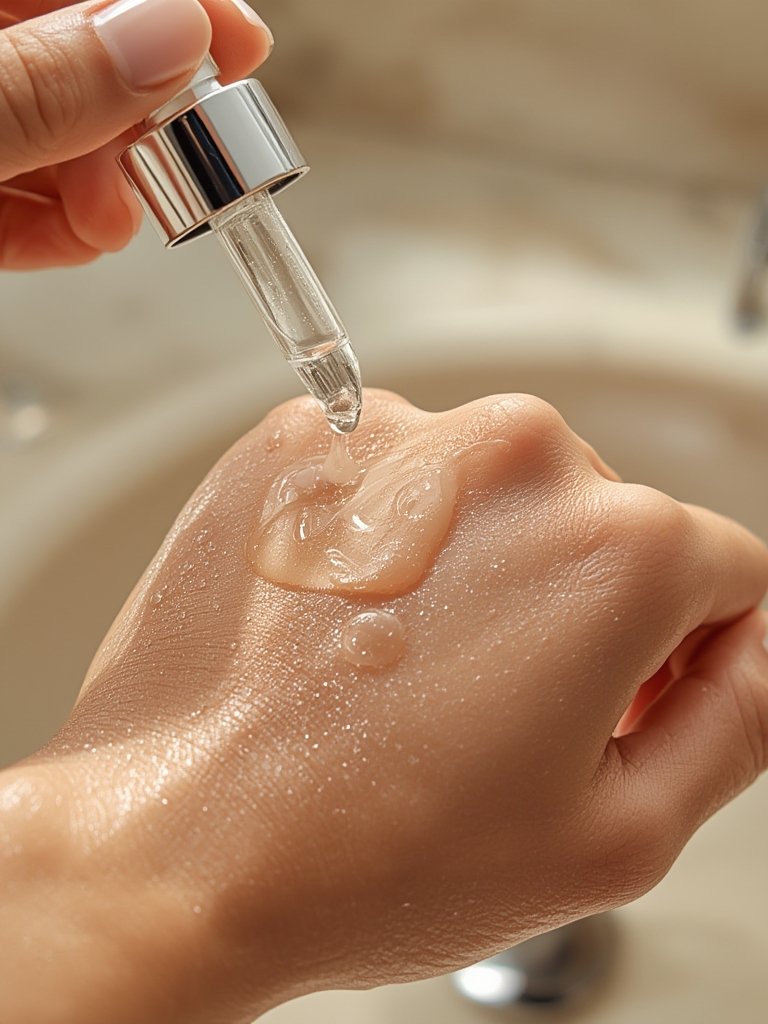
A barrier-first approach—emphasizing consistent hydration, regular but gentle exfoliation, and daily protection—is at the heart of the Korean glass skin routine. For body care that echoes this philosophy, explore these Korean personal care essentials to create a spa-like ritual from head to toe.
Advanced Analysis and Common Pitfalls
Despite glass skin’s popularity, misconceptions and misuse of the routine remain common. Over-layering actives, excessive exfoliation, and ignoring ingredient sensitivities can backfire, leading to barrier damage rather than a radiant glow.
Clinical data backs gentle, targeted routines: a 2025 dermatology study shows that skin barrier recovery with bacterial fractions can accelerate within 48 hours after controlled disruption (source). However, this should not be confused with overnight glass skin transformation. Results such as a “glass” look from actives like vitamin C, niacinamide, or PDRN take steady, long-term use—typically two weeks to several months depending on skin type and product concentration.
Common pitfalls include:
- Overuse of exfoliants: Frequent acid or physical exfoliation thins the skin’s lipid barrier, causing irritation and sensitivity. Use once or twice weekly unless otherwise directed by a skincare professional.
- Ingredient stacking: Layering multiple actives (such as retinol, vitamin C, and AHAs at once) greatly increases the risk of irritation. Be strategic—focus on barrier repair and hydration as your base, and rotate actives as needed.
- Product amount: “More” is not more effective. Light, repeated layers outperform thick, heavy layers when it comes to absorption and skin feel.
- Ignoring device safety: Popular glass skin tools, like ultrasonic skin scrubbers or RF tightening devices (device safety guide here), should always be used as directed to prevent barrier compromise.
Due to the increasing market for innovative glass skin solutions, ingredient technologies like exosomes (deep dive here), spicules, and advanced fermentation are appearing in new formulas. Although promising, these should be introduced slowly and monitored for skin reaction, especially if you have a history of sensitivity.
| Routine Focus | Main Benefits | Risks if Overdone | Best For |
|---|---|---|---|
| Classic Glass Skin Routine | Hydration, barrier support, glow | Minimal—if layering is slow and gentle | All skin types, especially sensitive |
| Advanced Actives (Retinol, High-Strength Acids) | Texture, anti-aging, brightening | Irritation, barrier damage, breakouts | Experienced users with resilient skin |
| Device-Enhanced (LED, Microcurrent, RF) | Boosted absorption, collagen stimulation | Burns, over-exfoliation, costly maintenance | Those seeking fast results and tech-savvy users |
For facial device safety tips and to see which at-home technology pairs well with glass skin routines, view this resource.
Conclusion
A glass skin routine merges proven science with K-beauty ritual to offer a structured path to healthy, hydrated, and luminous skin. Real-world results require patience—a glow can appear within days for some, but lasting clarity and resilience usually take weeks of disciplined care. Start simple, build with targeted products, and monitor your skin’s signals. To deepen your understanding of Korean beauty, explore additional routines and innovations that harmonize with your Glass skin routine, from scalp care to device-based treatments. Explore related Korean beauty routines to build a complete system.
Frequently Asked Questions
How long before I see results from a glass skin routine?
Visible improvement to hydration and plumpness often starts within a few days, but a true glass skin effect (clarity, even tone, balanced barrier) usually takes 2–8 weeks of consistent daily practice, depending on your skin’s starting point and product choices.
Do I need every step every day?
No, not all steps must be done every day. Cleanse, hydrate, and protect (SPF) daily, while exfoliation and treatments should be rotated based on skin needs. Adapt as your skin changes with the seasons or environment.
Can I combine glass skin products with anti-aging actives like retinol?
Yes, but introduce actives gradually. Retinol and strong acids may compromise barrier strength if used too frequently alongside hydrating layers. Build a strong hydration base and patch-test any new product combinations before full application.
What if my skin feels tight or looks greasy?
Tightness can indicate over-cleansing or inadequate hydration; try gentler products and thinner layers more often. Greasiness may mean too-rich moisturizers or occlusive layers—switch to lighter gels or reduce the number of layers as needed.
—