

Exosome skincare is changing Korean beauty by bringing regenerative science into daily routines for anti-aging and skin repair. As Korea leads in skin health innovation, exosomes offer new hope for deeper rejuvenation. Still, results depend on product type, skin condition, and long-term studies are still in progress. Here’s what you really need to know to use exosome-based Korean skincare with confidence.
Key Takeaways
- Recent clinical trials suggest exosome skincare sourced from stem cells or plants can visibly improve wrinkles, elasticity, and hydration in Korean beauty routines.
- Safety profiles in studies are favorable but large-scale, long-term trials are still missing; personalized care and ingredient transparency remain crucial.
- Most Korean exosome serums focus on barrier repair and deep regeneration but differ by exosome origin (human, plant, or fermented) and layering strategy.
- What Is Exosome Skincare in Korean Beauty?
- Step-by-Step Guide to Using Exosome Skincare
- Advanced Analysis and Common Pitfalls
- Conclusion
- Frequently Asked Questions
What Is Exosome Skincare in Korean Beauty?
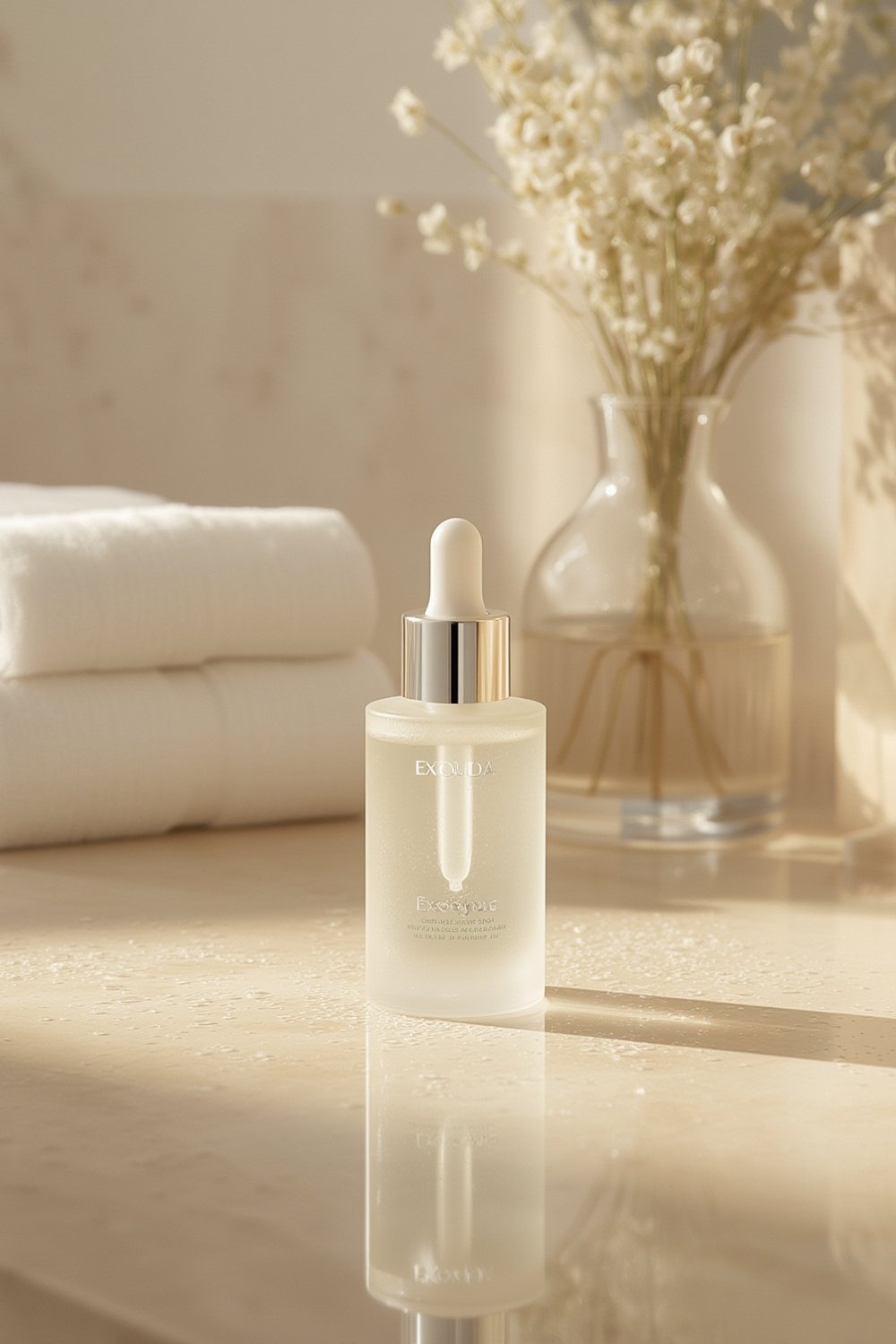
Exosome skincare uses microscopic vesicles called exosomes, derived from stem cells, plants, or fermentation technology. These natural messengers transport regenerative signals—such as peptides, lipids, or growth factors—directly to your skin. In Korean skincare, exosomes fit perfectly into the multi-step approach that values hydration first, barrier repair, and advanced actives layered for maximum safety and effect.
Why does it work? Early studies show topical exosomes may boost collagen and elastin, reduce wrinkle depth, improve skin hydration, and help repair pigmentation and inflammation. In a recent clinical trial, ADSC-exosomes reduced wrinkles and increased dermal thickness in just 7 days for photoaged skin. Plant and probiotic derived exosomes, such as those from Kimchi extract or rose stem cells, add a K-beauty signature twist for those wary of animal ingredients.
How is this different from classic K-beauty? Exosomes take Korean skincare’s layering logic to new levels by working at a cellular communication level—supporting the barrier and regeneration from beneath the surface, just as snail mucin or PDRN serums do for recovery and glow.
Step-by-Step Guide to Using Exosome Skincare
Applying exosome skincare Korean style is not plug and play—it’s about methodical layering, skin prep, and customization for your skin’s resilience and glow. Here’s exactly how to start integrating exosome products:
- Cleanse thoroughly: Use a gentle Korean cleanser to prep the skin without irritating the barrier. Exosome actives work best on clean, residue-free skin.
- Apply essence or toner: A hydrating Korean toner or essence helps prime skin, so exosome particles penetrate more evenly. Consider formulas rich in centella asiatica, green tea, or ceramides.
- Layer exosome serum or ampoule: Gently pat 1-2 pumps of your chosen exosome product into damp skin, focusing on areas with fine lines, uneven tone, or dullness. Wait at least 30 seconds for absorption.
- Pair with barrier care: Layer a soothing ampoule or moisturizer that supports barrier recovery, like those with panthenol or cica. Korean routine logic always emphasizes the skin’s natural defense.
- Seal with SPF (daytime): Exosome actives can be sensitive to UV. Always wear Korean sunscreen (SPF 50+ PA+++) if applying in the morning.
- Use 2 to 5 times a week: Start slowly. Korean experts recommend increasing application only if skin remains calm, as overuse can cause congestion or sensitivity over time.

For those new to exosome ampoules, try patch testing on your wrist for three days before full application—especially important if combining with strong exfoliants or retinoids.
Curious about broader skin revival? Many Korean glass skin routines now blend exosome serums with time-tested actives like snail mucin or centella ampoules to reduce irritation and boost elasticity. Always introduce new actives one at a time.
Advanced Analysis and Common Pitfalls
Recent research supports exosome skincare’s promise for anti-aging, pigmentation, and regeneration, but there are limitations and misconceptions:
- “All exosomes work the same”—not true: Human stem cell, plant, probiotic, and animal-derived exosomes differ in efficacy, purity, and ethical considerations. Korean brands increasingly use plant or fermented sources like salmon caviar or Kimchi to address demand for clean beauty and avoid animal-based concerns.
- Ingredient sensitivity and overuse: While adverse reactions are rare in clinical studies, there are no long-term safety studies for everyday high-frequency use. Over-layering with other strong actives can trigger irritation or barrier disruption.
- Not a miracle overnight: Most studies show 2-4 weeks for visible improvements, which can lessen if use is stopped. Deeper pigmentation may require combination approaches with laser, microneedling, or specific PDRN ampoules.
How do exosome skincare formulas compare to other advanced Korean actives? Here’s a quick reference:
| Active Ingredient | Origin | Main Benefits | Typical Use in K-Beauty |
|---|---|---|---|
| Exosomes | Human, Plant, Probiotic | Boosts collagen, repairs barrier, modulates pigmentation | Serums, ampoules post-cleanse |
| PDRN (Salmon DNA) | Fish-derived | Skin repair, elasticity, post-acne recovery | Serums, skin injections, masks |
| Snail Mucin | Helix Aspersa (snail) | Hydration, healing, calming | Essences, creams, sheet masks |
| Centella Asiatica | Plant | Soothing, barrier strengthening | Serums, ampoules, after-sun |
Finally, while there are no regulatory warnings from KFDA or FDA as of 2023-2024, the potential for contamination or unproven claims in some markets means smart shoppers must look for transparent origin, testing, and K-beauty brand reputation.

Conclusion
Exosome skincare is a promising yet evolving chapter in advanced Korean beauty. Initial results show potential for boosting barrier repair, hydration, and anti-aging, especially when used in a thoughtful, layered Korean routine. Still, realistic expectations and care are needed—choose transparent brands, introduce new actives slowly, and watch for future clinical data. Ready to try exosome skincare? Explore related K-beauty routines and tools to build a complete system for healthy, resilient skin.
Want more? Check out the essentials for personal care the Korean way, learn about scalp-focused hair care, or discover which LED masks work best with advanced actives like exosome serums.
Frequently Asked Questions
How long does exosome skincare take to show results?
Most users see subtle improvements in hydration, radiance, or fine lines within 2-4 weeks if used consistently. Results are gradual and often fade if the product is discontinued. Deep wrinkles or pigmentation may require combination treatments for noticeable outcomes.
Are exosome serums safe for sensitive skin?
Clinical research reports low risk of irritation for most topical exosome products, particularly those from plant or probiotic sources. Still, always patch test, especially if also using retinoids, acids, or other strong K-beauty actives.
Can I combine exosome skincare with devices like LED masks or microneedling?
Yes, many advanced Korean routines layer exosome ampoules after gentle microneedling or use them under LED masks for deeper benefits. Always check the product’s guidelines and allow 24-48 hours post-microneedling for skin to calm before applying actives.
What’s the difference between human, plant, and probiotic exosomes in Korean formulations?
Human stem cell exosomes (like ADSC) have been studied most for anti-aging and skin recovery; plant-derived exosomes offer a vegan alternative with antioxidant benefit; probiotic (fermented) exosomes promote barrier strength and resilience. Each carries different growth factors or peptides.
Is exosome skincare more effective than other Korean anti-aging actives?
Current evidence suggests exosome serums can complement (not replace) established actives like snail mucin, centella, or PDRN. For best results, use as part of a complete, layered routine focused on hydration and barrier repair.