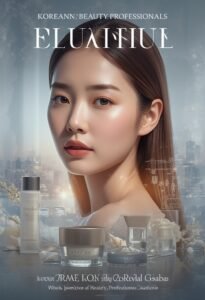

Azelaic acid korean serums are rising in popularity among K-beauty lovers, promising to target stubborn post-acne dark spots and support a clear, even-toned complexion. In today’s Korean beauty landscape, this powerhouse ingredient is being paired with gentle, hydrating routines for results that balance effectiveness and sensitivity. While expectations for rapid transformation should be realistic—azelaic acid works gradually—its science-backed benefits remain of genuine interest for those managing acne, hyperpigmentation, or sensitivity.
Key Takeaways
- Azelaic acid is clinically shown to reduce post-acne marks and pigmentation when used consistently but may cause mild initial irritation.
- Korean beauty routines layer azelaic acid with barrier-repair and calming products, optimizing both safety and visible results.
- High-percentage Korean azelaic acid serums are uncommon; most formulas leverage moderate strengths and gentle botanicals for everyday use.
- What Is Azelaic Acid in Korean Beauty?
- How to Use Azelaic Acid Korean Serums Effectively
- Advanced Analysis and Common Pitfalls
- Conclusion
- Frequently Asked Questions
What Is Azelaic Acid in Korean Beauty?
Azelaic acid is a naturally-derived dicarboxylic acid with proven effectiveness for acne, redness, and hyperpigmentation. In Korean beauty, azelaic acid is favored for its multi-tasking ability—gently fading dark spots (post-inflammatory hyperpigmentation), calming inflamed blemishes, smoothing uneven texture, and supporting barrier care without over-stripping skin.
How it works: Azelaic acid inhibits tyrosinase, an enzyme responsible for hyperpigmentation, and demonstrates anti-inflammatory effects. Clinical research shows that a 15 percent azelaic acid gel can significantly reduce both redness and brown marks after acne when applied for at least 12 weeks. While most published studies use prescription percentages between 15 and 20, Korean consumer products tend toward lower strengths or gentle blends to prioritize everyday tolerance as part of a multi-step routine.
Fitting the Korean beauty philosophy: Rather than harsh, single-step actives, K-beauty emphasizes hydration-first routines, barrier repair, and ingredient layering. Korean azelaic acid products usually sit between watery toners and restorative creams, surrounded by calming allies like centella asiatica or oat extract. The result is a targeted approach to blemishes and pigment—delivered with long-term skin health in mind.
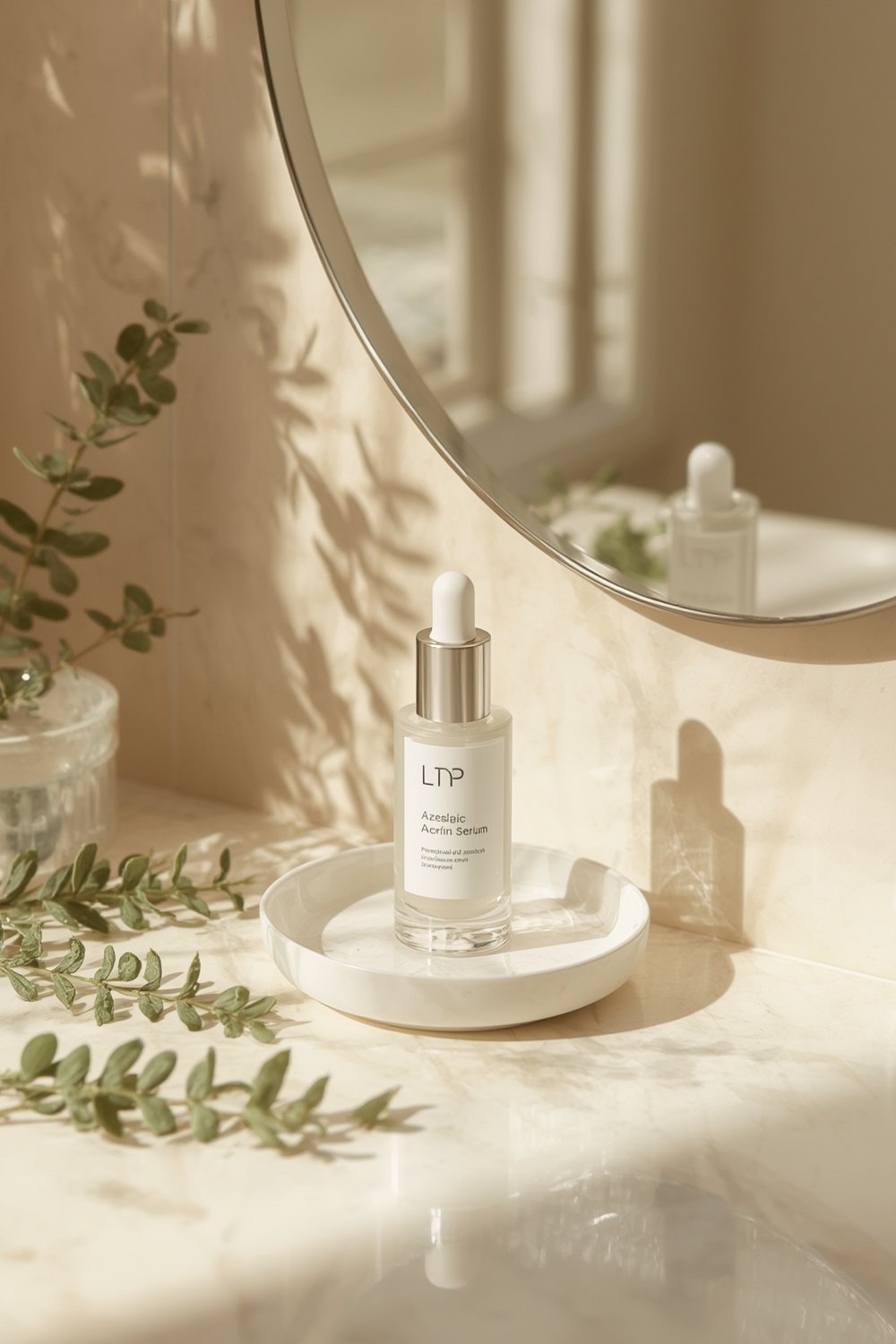
How to Use Azelaic Acid Korean Serums Effectively
For best results with azelaic acid serum korean serums, layer thoughtfully within a complete skincare ritual. Korean routines are built on multiple phases—cleansing, prepping, treating, and sealing in moisture. Here’s a realistic, actionable routine:
-
Start with gentle cleansing.
Double cleanse if you wear sunscreen or makeup, then rinse with lukewarm water. -
Apply a hydrating toner or essence.
Choose calming options with centella, rice, or barrier-building ingredients to support tolerance. -
Pat in your azelaic acid serum.
Dispense a small amount and apply evenly, focusing on areas with acne, post-acne marks, or visible redness. -
Wait one to three minutes.
Allow the serum to absorb before layering follow-up products. -
Follow with a calming serum or ampoule.
Consider soothing Korean serums to buffer any mild irritation. -
Seal with a nourishing cream.
Barrier repair creams or ceramide gels will support recovery and minimize dryness. -
In the AM, always use SPF.
Daily UV protection is critical to prevent further pigmentation—Korean sunscreens are usually lightweight and non-irritating.
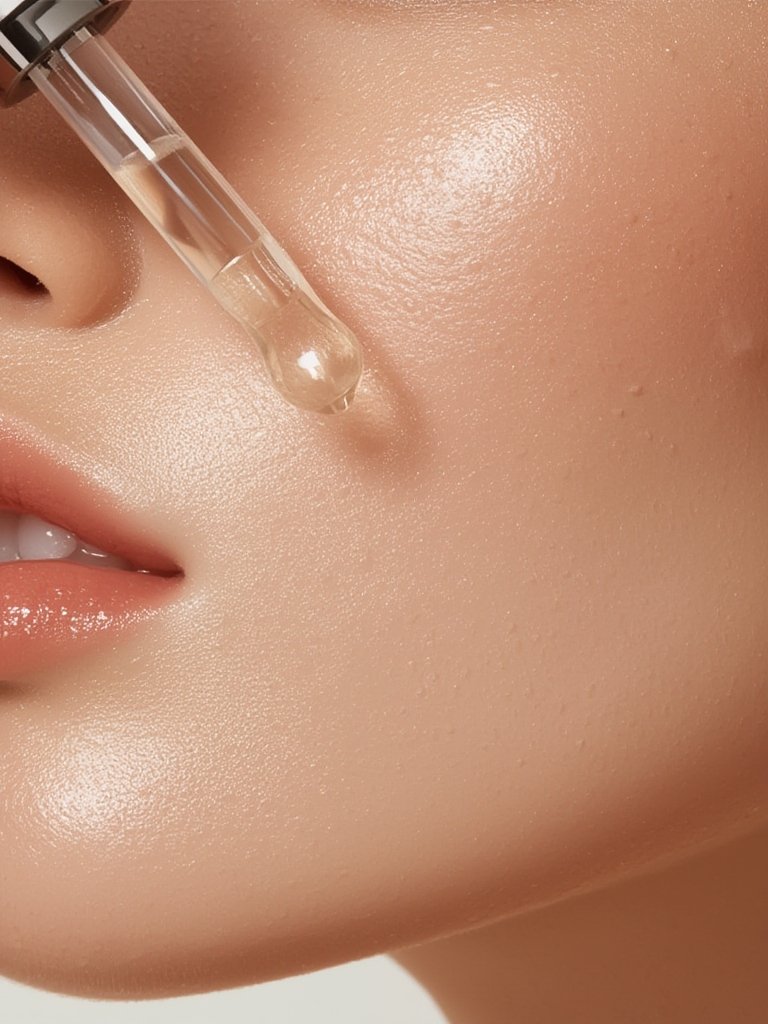
Key points for realistic success:
- Consistency is essential—improvements in pigmentation and blemishes appear gradually, typically over 8 to 16 weeks.
- Mild burning, tingling, or erythema are common for the first week. Pause for 3 to 5 days and resume with moisturizer and sunscreen if discomfort is persistent. Most reactions subside by week two.
(source) - Do not layer with strong acids or retinol on the same night, especially at first. This reduces sensitivity risk and keeps your barrier healthy.
(source)
To complete your Korean-inspired regimen, integrate other skin-brightening and reparative steps like PDRN ampoules for post-breakout recovery or calming toner pads if your routine needs gentle exfoliation.
Advanced Analysis and Common Pitfalls
Despite growing buzz, there are key limitations and common pitfalls to understand when using azelaic acid korean serums:
- Korean azelaic acid formulas rarely exceed 10 percent concentration. Most prescription studies use 15 to 20 percent. Over-the-counter products in Korea favor moderate, gentle doses to minimize reactions.
- Initial irritation is likely: Studies confirm up to 66 percent of users experience mild redness or tingling which almost always resolves within the first week.
- No real-world Korean before-after data is published. Most improvements are based on clinical trials not involving specific Korean brands and on small sample sizes.
- No unique regulatory warnings for Korean products exist. Azelaic acid is approved and well tolerated, including in deeper skin tones. However, all users should be vigilant about sun avoidance and moisturizing barriers, regardless of geography.
- Cost varies, but high-percentage Korean azelaic acid serums are less common and not covered in published clinical cost data.
- Combining azelaic acid with potent acids or retinoids can overexfoliate and cause barrier distress, a frequent pitfall especially when adopting “glass skin” routines that overuse actives.
| Factor | Korean Azelaic Acid Serums | Western Azelaic Acid Creams/Gels |
|---|---|---|
| Common Concentration | 5–10% OTC products (rarely 15%) | 15–20% prescription / 10% OTC |
| Primary Form | Serum with calming botanicals or hydrating base | Cream or gel, sometimes combined with benzoyl peroxide or salicylic acid |
| Typical User Experience | Mild, transient irritation; improves with layering | Higher risk of dryness and burning, especially initially |
| Availability | Fewer pure azelaic acid options, usually blended | Wider range of pure high-percentage products |
| Barrier Philosophy | Integrates with cica, panthenol, or ceramide creams | Often used alone or before a moisturizer |
For users seeking complete results, check out Korean personal care essentials or the glass skin routine for companion product ideas rich in barrier repair and brightening benefits.

Conclusion
Azelaic acid korean serums are a strategic addition for post-acne pigmentation, redness, and uneven skin tone. Expect best results through consistent, patient use and by following traditional Korean skincare layering—always with an eye on supporting your barrier, especially when irritation occurs. Compare ingredients, use sun protection, and upgrade your routine by integrating hydrating and calming allies for balanced, healthy-looking skin. Explore related Korean beauty routines to build a complete system and experience the gentle confidence that modern K-beauty brings.
Frequently Asked Questions
Are Korean azelaic acid serums as effective as Western prescription gels?
Most Korean azelaic acid serums use 5–10 percent strengths and focus on gentle, daily use within a multi-step routine. Prescription Western gels, often at 15–20 percent, may offer faster visible results but come with higher irritation risk. For sensitive skin types and long-term use, the Korean approach prioritizes balance and barrier support.
How long does it take to see improvement in dark spots after using azelaic acid korean serums?
Clinical research on 15 percent gels suggests reduction in post-acne marks over 12 to 16 weeks with twice-daily use. With milder Korean formulas, expect gradual fading over 2–3 months and ongoing benefits with consistent application and sunscreen.
Can I use azelaic acid with other actives in my Korean skincare routine?
Yes, but avoid layering with strong exfoliating acids or retinol on the same night to minimize irritation. Instead, pair azelaic acid with hydrating toners, calming ampoules, and barrier creams for optimal results.
What should I do if I develop redness or stinging after azelaic acid?
Pause for 3 to 5 days, add moisturizer and sun protection, and resume with a lower frequency. Most mild irritation resolves within a week. Consider buffering with centella or panthenol creams as part of your routine.
Is azelaic acid safe for darker skin tones?
Yes. Clinical studies show azelaic acid is beneficial for post-inflammatory hyperpigmentation in all skin tones and is considered safe with minimal risk of worsening pigmentation when paired with sunscreen and barrier care.