

### Blog Post:
acne patch korean products are among the most popular Korean skincare essentials, offering a realistic way to reduce pimples quickly while aligning with the country’s barrier-friendly beauty philosophy. Their appeal stems from clinical evidence, innovative technology, and a discreet user experience. However, understanding realistic expectations about results, limitations, and application is crucial if you want to use Korean acne patches effectively in your routine.
Key Takeaways
- Korean acne patches show rapid results, with up to 81% reduction in blemishes in 3 days and high user satisfaction (95%) per clinical studies.
- Most are gentle, pain-free, and barrier-protective, but real-world issues like patch adherence or visibility under makeup can occur.
- For best outcomes, proper layering with calming ingredients and consistent overnight use are recommended in Korean routines.
- The Core Concept
- Step by Step Guide
- Advanced Analysis and Common Pitfalls
- Conclusion
- Frequently Asked Questions
Korean Acne Patch: The Core Concept
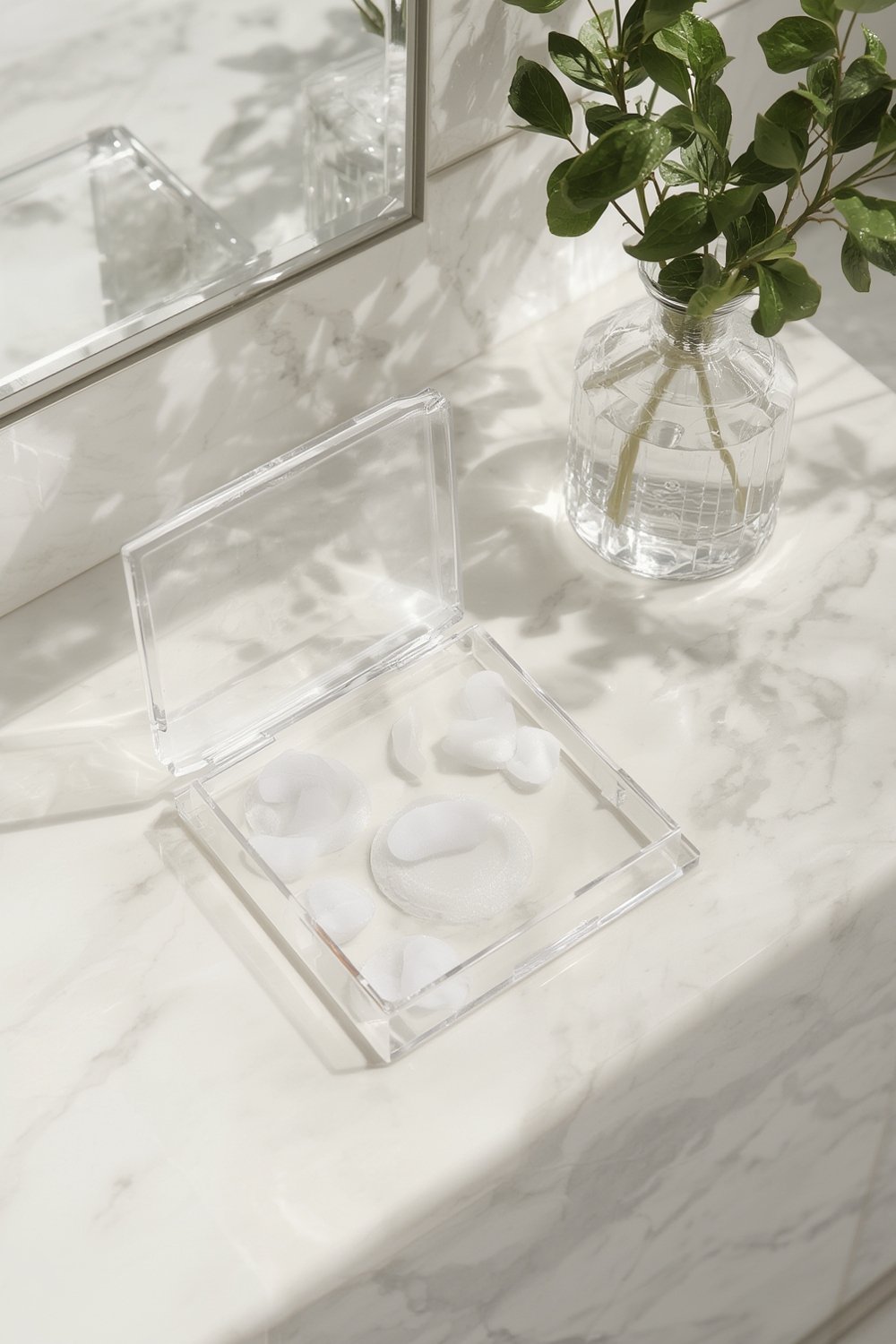
The acne patch korean trend is built around thin, hydrocolloid patches that absorb blemish exudate and shield active pimples from bacteria and picking—without harsh drying or irritation. These patches have evolved beyond traditional spot stickers. Some now feature microarrays or microneedle technology, delivering active ingredients like hyaluronic acid or salicylic acid directly into the skin for enhanced results. Recent studies, such as those published in ScienceDaily and ACS, confirm up to an 81% reduction in acne lesions in just three days using modern patch systems.
Hydrocolloid technology is adapted from medical wound care and is the dominant modality in South Korea for at-home blemish management. It embodies Korean barrier repair logic: treat skin gently, minimize trauma, and support healing. Ingredients like niacinamide, cica, tea tree, and calendula offer soothing benefits layered under or within the patch—supporting overall skin integrity, as emphasized in the barrier repair movement.
Step by Step Guide: How to Use a Korean Acne Patch
To get realistic, visible results from your acne patch korean routine, proper application is key. Here’s a detailed, actionable guide:
- Cleanse Gently: Wash your face with a low pH Korean cleanser to remove dirt, oil, and makeup from the blemish area. Let your skin air dry for best adhesion.
- Apply Toner and Serums (Optional): Use a lightweight, non-occlusive toner or soothing ampoule (e.g., centella asiatica serum). Avoid layering thick moisturizers before patch application for optimal stick.
- Peel and Place Patch: Peel a patch from its backing with clean hands or tweezers. Center it on the blemish, pressing lightly for adhesion.
- Leave On: Most hydrocolloid patches are designed for overnight (6-10 hours) or daytime wear (minimum 6 hours). For advanced microarray or microneedle patches, follow the brand’s instructions—some dissolve within 30-90 minutes per recent studies (ScienceDaily).
- Remove and Assess: Gently peel off. You’ll often see accumulated exudate or a flattened pimple. If needed, reapply a fresh patch until the blemish resolves.
- Continue Your Routine: After removal, layer hydrating and barrier-supporting products, such as korean skincare moisturizers or calming masks.

For a complete self-care regimen that supports skin around blemishes, consider adding spa-inspired essentials like a korean exfoliating mitt or a hydrogel mask to your weekly routine.
Advanced Analysis and Common Pitfalls
Despite clinical backing for acne patch korean effectiveness, nuances exist. Here are some advanced insights, risks, and myth-busting for informed use:
- Patch Technology: Hydrocolloid is gentle, but modern patches incorporate actives (salicylic acid, niacinamide, retinol) for additional effects. Microarray delivery (tiny dissolving needles) may support deeper product penetration (ACS). For sensitive skin, extra ingredients may be irritating—test new brands if you’re reactive.
- Realistic Results: While 81% lesion reduction in three days and up to 95% satisfaction was noted in studies, actual results depend on pimple stage, patch quality, and skin type. Severe cystic acne may need prescription intervention and barrier repair via ceramide creams.
- Common User Issues: Research reports no major adverse events or irritation (ScienceDaily), but some K-beauty users note issues like poor stick on oily skin, patch edges visible under makeup, or patch sliding during sleep. Price and value differ across brands, often reflecting ingredient sophistication.
- Alternatives: Korean beauty routines often pair acne patches with calming centella ampoules or hydrating mists. For persistent breakouts, non-invasive home devices such as LED face masks can complement patch use.
| Patch Type | Key Actives | Recommended Use | Limitation |
|---|---|---|---|
| Hydrocolloid | None or minimal | Everyday single spots | Limited action on cystic/nodular acne |
| Microarray/Microneedle | Hyaluronic acid, salicylic acid, niacinamide | Stubborn or deeper pimples | Higher price, mild tingle |
| Ingredient infused | Tea tree, cica, retinol | Soothing, anti-inflammatory | Possible sensitivity for reactive skin |
| Novel shapes/designs | Basic hydrocolloid | Daytime/invisible use | May trade efficacy for aesthetics |
For users pursuing holistic improvement, a minimalist skin cycling routine with gentle exfoliation and barrier support works well alongside patch use—reducing the urge to pick or overtreat blemishes.
Conclusion
The acne patch korean approach is science-backed, minimally invasive, and fits naturally into a Korean skincare routine focused on gentle barrier repair and clear, healthy skin. Rapid improvements are possible, but results vary person to person. For best outcomes, integrate acne patches thoughtfully—combining with soothing ampoules, diligent cleansing, and whole-routine self care. Explore related Korean beauty strategies to build a full routine that works for your skin’s unique needs.
Interested in upgrading your entire K-beauty system? Discover exfoliating mitts, calming essences, hydrating masks, and beauty devices to care for skin from all angles.
Frequently Asked Questions
Are Korean acne patches suitable for sensitive skin?
Most hydrocolloid patches are gentle and safe for sensitive skin. However, ingredient-infused options with salicylic acid or retinol may cause irritation. Start with classic hydrocolloid patches and patch test new variants for sensitivity.
Can acne patch korean products be used with makeup?
Many patches are ultra-thin and transparent to blend under foundation. For best invisibility, apply the patch to clean skin, then use a cushion or powder foundation lightly over it. Some decorated patches are visible and best for overnight or at-home wear.
Do pimple patches work on cystic acne?
Traditional hydrocolloid patches are best for surface-level pimples or whiteheads. Certain microarray or microneedle patches with deeper-penetrating actives may offer improvement for cystic lesions, but very deep nodules may require dermatologist care and barrier repair creams.
How often should I use a Korean acne patch?
You can use an acne patch daily as needed on new or active blemishes. For best healing, change the patch every 6-10 hours or when it turns opaque. Avoid using on broken, heavily inflamed, or infected skin.
What is the difference between Korean and Western acne patches?
Korean acne patches tend to be thinner, more invisible, and focus on skin barrier support with calming actives (centella, tea tree, calendula). Western brands may emphasize more aggressive ingredients or differ in adhesion and visibility. Ingredient lists and user textures can vary—review labels before use.
—