

### Blog Post:
facial cleansing brush devices are quickly becoming staples in Korean beauty routines for their ability to deliver deeper cleansing, improve product absorption, and elevate at-home skincare to professional levels. However, expectations must be set: while these tools offer significant benefits, they also come with practical limitations and require mindful technique to avoid skin irritation or barrier damage.
Key Takeaways
- Facial cleansing brushes deeply remove dirt and makeup, improving the effectiveness of subsequent skincare steps.
- Gentle use is essential to avoid damaging the skin’s barrier and over-exfoliating, especially for sensitive skin types.
- Silicone-head, sonic-vibration models are the most hygienic, but proper cleaning and realistic usage frequency remain critical.
- What Is a Facial Cleansing Brush and Why It Matters
- How to Use a Facial Cleansing Brush: Step by Step
- Advanced Analysis and Common Pitfalls
- Conclusion
- Frequently Asked Questions
What Is a Facial Cleansing Brush and Why It Matters
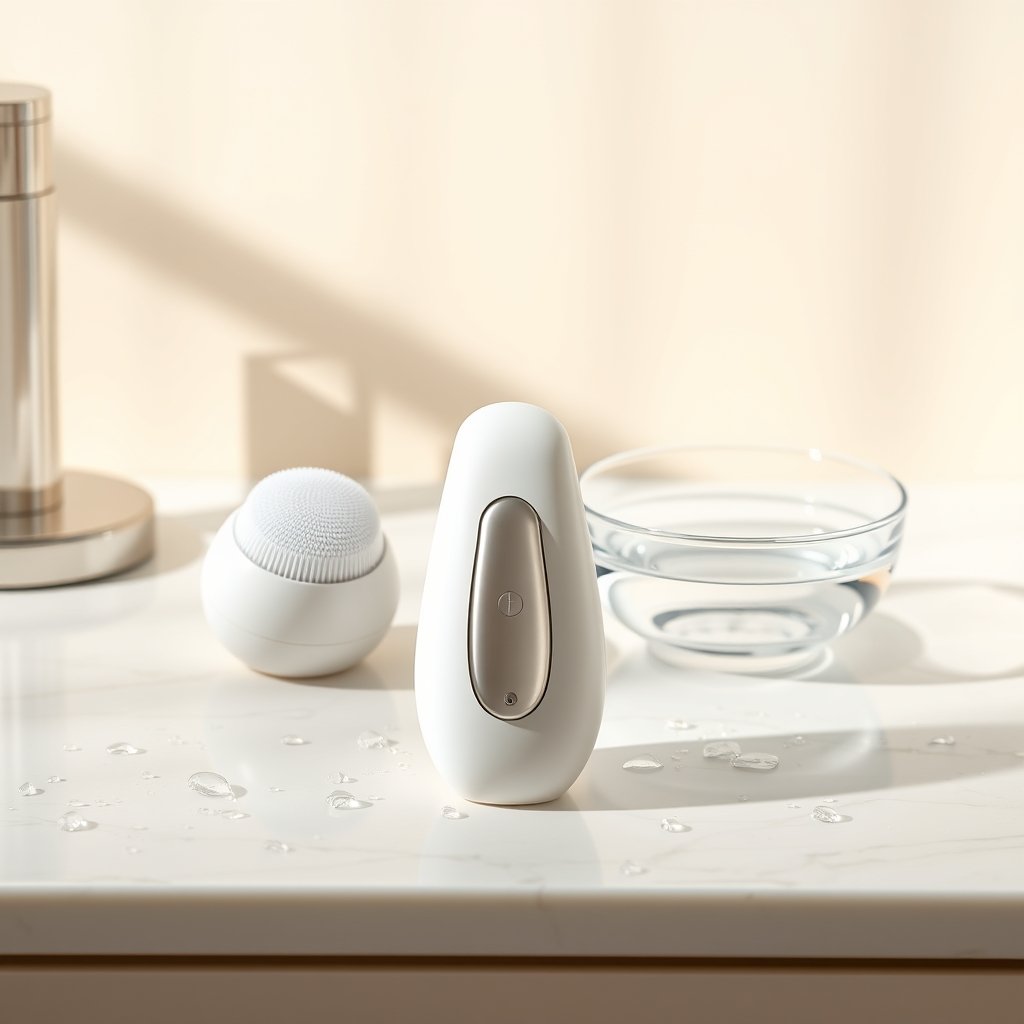
A facial cleansing brush is a handheld device designed to enhance the cleansing stage of your skincare routine through physical or sonic movement. The device uses either soft bristles or a silicone surface, along with oscillation or vibration, to dislodge particles, excess sebum, sunscreen, and pollution from your pores more effectively than manual washing.
In the context of Korean beauty, cleansing is foundational. Thorough removal of impurities supports glass skin goals and allows active ingredients—like those found in hydrating ampoules or brightening toners—to penetrate properly. Double cleansing remains routine, but a high-quality facial cleansing brush can elevate the first step’s efficiency, especially in polluted urban environments.
K-beauty philosophy emphasizes respecting the skin barrier and layering products gently. A facial cleansing brush can help if you follow expert-backed methods and respect your unique skin needs.
How to Use a Facial Cleansing Brush: Step by Step
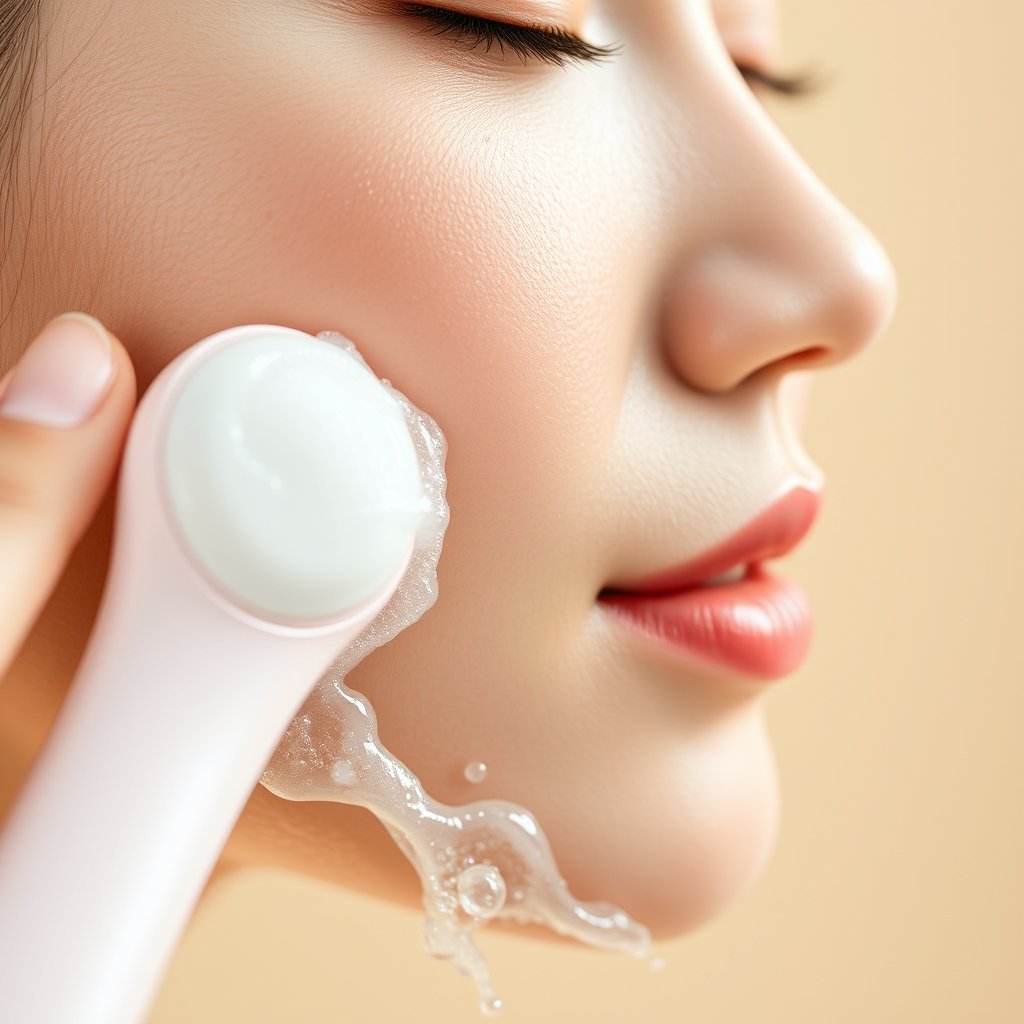
To safely maximize benefits from a facial cleansing brush, adopt a routine informed by dermatological guidance and K-beauty experts:
-
Start with a gentle oil-based cleanser.
Apply evenly to dry skin. This melts away sunscreen and oil-based impurities, setting the stage for thorough cleaning. -
Choose the right cleanser for your brush step.
Use a low-pH, non-foaming or lightly foaming gel cleanser. Avoid harsh scrubs or acids. -
Wet both your face and the device.
Always begin with dampened skin and a moistened brush head to prevent friction. -
Apply cleanser to the brush or directly onto the skin.
A small, even amount suffices; excess product can clog bristles or silicone heads. -
Use gentle, upward circular motions.
Avoid pressing down. Focus on the T-zone and avoid lingering on sensitive or compromised areas. -
Keep total usage under 60 seconds.
Follow device guidance. Most skin types benefit from 2 to 3 times a week. Sensitive skin should limit to once weekly. -
Rinse thoroughly and pat dry.
Immediately cleanse and dry your brush head after each use to prevent microbial buildup. -
Proceed with Korean skincare layering.
Continue with a hydrating toner pad, layering a calming Centella ampoule and finish with a barrier repair cream to replenish moisture.
Advanced Analysis and Common Pitfalls
While facial cleansing brushes are marketed as twice as effective as hand washing (see Alibaba Report), research indicates benefit is maximized when you match device and pressure to your skin’s resilience (PubMed Literature Review). Overzealous use, especially daily or with strong cleansers, risks barrier damage, leading to heightened sensitivity, redness, or breakouts.
Common pitfalls:
- Overuse: Using a brush too often can strip essential lipids. Limit use to 2 to 3 times weekly for most skin types. Sensitive skin may need less.
- Poor hygiene: Neglecting to clean the brush head invites bacterial growth, potentially triggering or worsening acne. Silicone-head devices, praised for non-porous hygiene, should still be sanitized weekly (LUNAESCENT Experts’ Views).
- Using with harsh products: Avoid pairing with strong exfoliants or scrubs. Layering a soothing ampoule after use is vital (Curology).
- Poor device maintenance: Replacement heads can become expensive and environmentally wasteful. Research disposable head vs silicone/multiuse models for cost and impact.
| Method | Key Strengths | Drawbacks | Best for |
|---|---|---|---|
| Hand washing | Gentle, fully controlled, minimal irritation risk | Less effective at deep pore cleansing | Reactive, sensitive or barrier-impaired skin |
| Manual brush | Affordable, portable | Requires manual cleaning; bristles can harbor bacteria | Travelers, those needing budget alternatives |
| Sonic silicone brush | Deep cleanse, more hygienic, non-porous, gentle with right frequency | More expensive; vibration may feel odd to some; charging required | Those seeking maximized cleansing and minimal bacterial risk |
Those who want to take their routine up a level can combine this tool with other high-tech at-home devices like an ultrasonic skin scrubber or LED face mask, always alternating days to minimize overstimulation and preserve healthy skin integrity.

Conclusion
Used correctly, a facial cleansing brush can transform your cleansing step, help prevent clogged pores, and support a healthier base for trademark Korean skincare layering. Prioritize proper technique, moderate frequency, and diligent cleaning to protect your skin barrier and maximize device longevity. Explore related Korean beauty routines—like glass skin or minimalist barrier care—to build a connected system, and always ask: does my current regime support healthy, balanced skin over the long term? Invest in the right facial cleansing brush for your needs and experience a smarter, more radiant K-beauty cleanse.
Frequently Asked Questions
How often should I use a facial cleansing brush?
Most skin types should use a facial cleansing brush two to three times weekly. Highly sensitive, dry or barrier-impaired skin should limit use to once a week or consult a dermatologist.
Can I use a facial cleansing brush with exfoliating cleansers?
It is best to avoid combining a brush with mechanical or acid exfoliants in the same session. Stick to mild, low-pH cleansers to minimize risk of irritation.
Which is better: silicone or bristle brush heads?
Silicone brush heads are typically preferred for hygiene and durability, as they resist bacterial growth. Bristle heads can feel softer to some but need more diligent cleaning and replacement.
Are facial cleansing brushes suitable if I have active acne?
Use with caution. Extremely gentle pressure and strict hygiene can help, but those with inflamed or cystic acne should consult a dermatologist before incorporating any device.
Can I use a facial cleansing brush with my Korean skincare routine?
Absolutely. Brush cleansing complements traditional double cleansing and modern layering, as long as you use calming essences or ampoules afterwards and maintain healthy barrier support.