
LED face mask devices have quickly become a standout innovation in Korean beauty, blending clinical technology with home-use convenience. As more consumers look for noninvasive, science-backed skincare options, LED face masks offer a visible boost for anti-aging, brightening, and even calming concerns—provided expectations are realistic and protocols are followed for best results.
Unlike quick-fix hype, LED mask results accumulate gradually and require ongoing dedication. This guide outlines exactly how these masks work, how to incorporate them safely and effectively into a Korean skincare routine, and what pitfalls or honest limitations to watch for.
Key Takeaways
- LED face masks offer effective, noninvasive anti-aging and skin-brightening results when used consistently over several weeks.
- Safe use depends on eye protection, respecting contraindication guidelines, and integrating with barrier-supporting Korean skincare.
- Common drawbacks include heat build-up, occasional hardware issues, and slower results than in-office lasers, but most users see visibly smoother skin within 8–12 weeks.
- The Core Concept
- Step by Step Guide
- Advanced Analysis and Common Pitfalls
- Conclusion
- Frequently Asked Questions
How LED Face Mask Technology Revolutionizes Korean Beauty
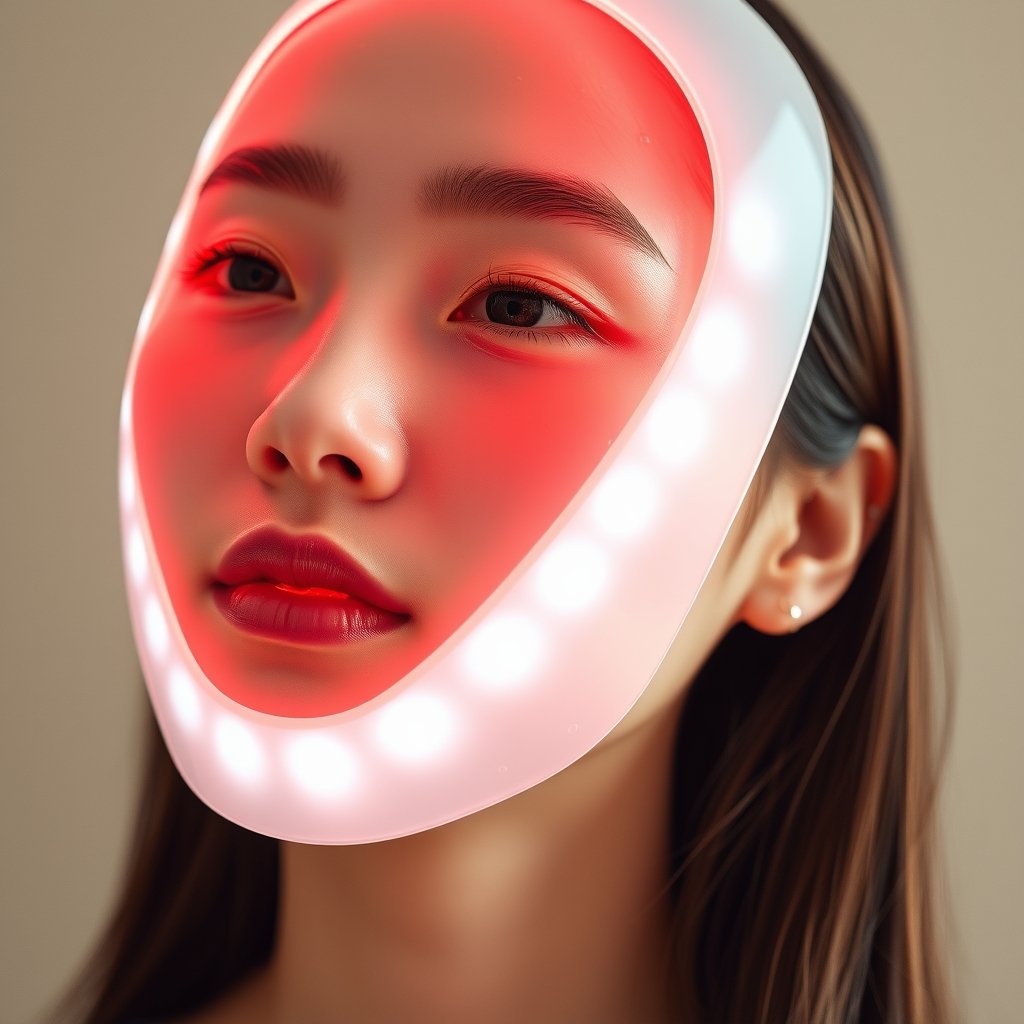
LED face mask devices are wearable at-home tools that deliver controlled doses of specific light wavelengths onto the facial skin. The most popular masks use red (around 630 nm) or near-infrared (850 nm) LEDs. Clinical studies, including recent randomized controlled trials, show that these wavelengths penetrate to the dermis, stimulating fibroblasts, increasing collagen production, and reducing visible wrinkles or fine lines.
Why has this become essential in Korean beauty? Consistency is central to the Korean skincare routine: daily, gentle care is preferred to harsh, sporadic professional interventions. LED masks fit perfectly with this philosophy, as results come from steady, repeated use over weeks. Importantly, these devices allow noninvasive anti-aging solutions, aligning with the barrier-supporting trend prominent in modern Korean skincare.
While LED face masks have surged on social media for their futuristic look, authentic Korean routines emphasize gradual improvements and healthy skin function over drastic overnight change. Think of these masks not as miracle gadgets, but as technology-powered additions to your holistic beauty arsenal.
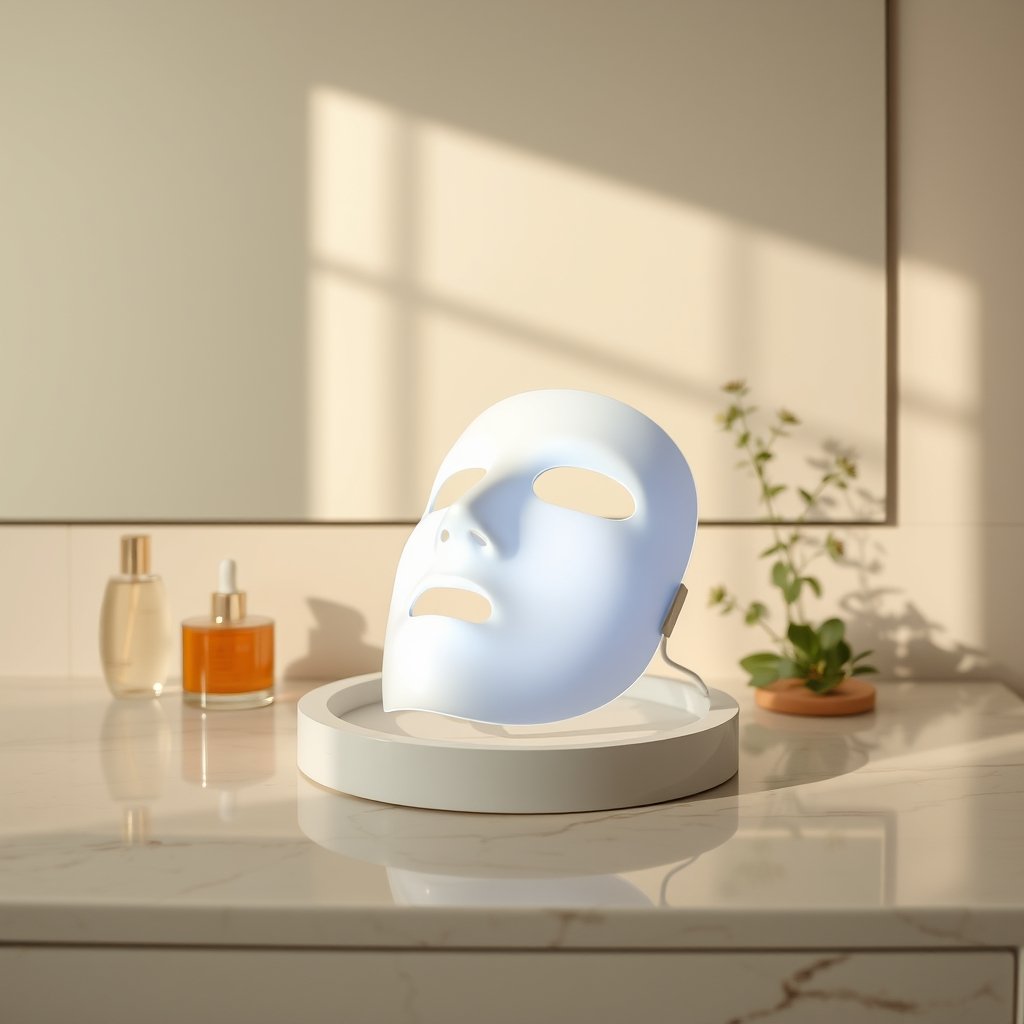
Step by Step Guide: Integrating an LED Face Mask into Your Korean Skincare Routine
Preparation and Placement
- Begin with a gentle cleanse to remove all sunscreen, oil, or residue. Incorporating a mild, low-pH cleanser (see Korean skincare routines) maintains barrier integrity.
- Pat your face dry. Avoid applying serums or moisturizers beforehand unless the manufacturer’s protocol suggests (some masks are best used on bare skin).
- Place the mask securely on clean, dry skin. Ensure it fits comfortably and adjust as needed for proper light exposure.
- If your device does not have built-in protection, wear certified blackout goggles to fully shield your eyes.
Session Protocol
- Follow the manufacturer’s guidelines for duration—typically 10–20 minutes per session.
- Set the light mode: red for anti-aging and skin resilience, blue for acne or inflammation, or a combination program if your model allows (see clinical evidence).
- Relax and breathe. Some users do their masking while listening to music or meditating for spa-like self-care. Do not fall asleep while wearing the device.
- After the timer completes, remove the mask and gently rinse if needed to cool the skin.
Aftercare and Layering
- Apply hydrating or soothing products after LED therapy. Gentle sleeping masks or collagen creams work well to lock in post-treatment benefits.
- If using retinol, acids, or intense actives, avoid them for several hours after LED exposure to limit irritation. Prioritize ingredients like centella asiatica, panthenol, and ceramides for barrier repair.
- Clean your device per instructions to prevent buildup of skincare residue or bacteria.
For multi-device routines (for example, mixing with microcurrent sculpting or RF tightening), schedule on alternate days or space different modalities throughout the week.
Frequency for Consistent Results
- Clinical protocols recommend using an LED face mask 3–7 times per week for 8–16 weeks to see visible wrinkle reduction and smoothing benefits (source).
- Make your LED session a habit, pairing it with journaling, meditation, or another regular self-care activity.
Advanced Analysis and Common Pitfalls
Common Misconceptions and Truths
- LED face masks are not overnight miracle devices. Statistically meaningful improvements in crow’s feet, wrinkles, and skin texture are typically seen after several weeks of regular use (Consumer Reports), not days.
- These devices are noninvasive but not totally “risk free.” Safe for most skin types, but contraindicated for certain medical conditions (photosensitivity, lupus, pregnancy, active cancers). Mild redness or warmth is possible; use caution for sensitive skin.
Ingredient Sensitivities
- Photosensitizing drugs or ingredients (like retinoids, AHAs, or St. John’s Wort) may boost the risk of irritation—apply these at least 12 hours apart from your mask use.
- For severely damaged or reactive skin barriers, reinforce with barrier creams and opt for low-intensity settings until skin adapts.
Overuse and Safety Risks
- More is not better. Overuse can lead to erythema (redness), excessive dryness, or rare sensitivities. Sessions should not exceed manufacturer recommendations.
- Eye safety is critical. Always wear eye protection if the device lacks a full-coverage shield; never stare directly at exposed lights.
Device Limitations and Hardware Issues
- Most consumer complaints involve device durability, heat build-up, uncomfortable fit for larger faces, and limited session programmability (see WIRED deep dive).
- Check for third-party safety certifications when possible, and consider rechargeable options for lower long-term cost and environmental impact.
Comparing Alternatives
| At-Home LED Face Mask | In-Office LED | Microcurrent/RF at Home |
|---|---|---|
| Noninvasive, convenient, good for anti-aging and glow | Higher power, pro-monitored, pricier per session | Tightens, contours; less focus on pigmentation |
| Visible results after 8–12 weeks with adherence | Faster results in 1–4 sessions | Visible lift but less evidence for long-term anti-aging |
| Safer for skin cycling routines | May trigger downtime or irritation | Useful complement but not collagen-boosting |
When to Avoid or Consult a Dermatologist
- If you have a history of photosensitivity, autoimmune skin disorders (like lupus or rosacea), are pregnant, or are being treated for cancer, consult a physician before use.
- Individuals with recent facial procedures, open wounds, or high Fitzpatrick skin types (prone to pigment shifts) should start with short sessions and monitor closely.
For more technical deep dives and specific device reviews, see this evidence-based review comparing 60+ top LED face masks globally.
Conclusion
LED face mask devices have carved out a loyal following in Korean beauty for good reason: they offer an accessible, noninvasive, and clinically validated approach to anti-aging and brightening, in line with daily barrier-friendly philosophies. With consistent use, proper safety, and realistic expectations, a Korean beauty routine built around the LED face mask can powerfully support long-term skin glow and resilience—often as part of a complete self-care system including other beauty tools and self-care essentials.
Explore related Korean beauty routines to build a complete system for visible, lasting skin transformation—starting right at home.
Frequently Asked Questions
How often should I use an LED face mask for best results?
Most clinical studies recommend 3–7 sessions per week for 8–16 weeks. Consistency is key for visible improvement in wrinkles and texture.
Are LED face masks safe for sensitive skin or those with eczema?
Generally yes, but always patch test and start on the lowest setting. Avoid if your skin is flaring or you have active photosensitive conditions. Layer barrier-supporting products to minimize irritation.
Can I use the mask with actives like retinol, vitamin C, or acids?
It’s best to use actives on alternate days or several hours apart from LED therapy to prevent over-irritation. Barrier-repair creams are preferred immediately after treatment sessions.
What if my LED face mask feels hot or uncomfortable?
Heat buildup is a common complaint. Reduce session length, let the device cool between uses, and make sure your skin is clean and dry. If discomfort persists, the mask may not be suitable for your skin type.
Do I need eye protection for at-home LED masks?
Yes. If the device lacks a built-in opaque eye shield, always wear certified blackout safety goggles to avoid phototoxicity and eye strain.