

barrier repair cream is a foundational element in Korean beauty because it restores and protects the skin’s natural barrier—a key step for anyone seeking a smooth, hydrated, and resilient complexion. As environmental aggressors, harsh actives, or over-exfoliation often lead to barrier damage, barrier repair creams have become essential for both recovery and prevention. Clinical studies emphasize their effectiveness, especially formulas containing ceramides, yet realistic expectations matter: while barrier creams can dramatically improve dryness, irritation, and sensitivity, full overnight “transformations” are rare. Most users see steady, measurable progress with consistent, proper use.
Key Takeaways
- Ceramide barrier repair creams clinically reduce moisture loss and improve quality of life for atopic dermatitis and dry skin sufferers.
- Korean barrier care focuses on holistic skin health, gentle layering, and prevention—results require consistency, not single-application miracles.
- Ingredient selection and proper Korean skincare order maximize barrier cream results—overuse or poor pairing can cause setbacks.
- What Is a Barrier Repair Cream?
- Step by Step: Korean Approach to Barrier Repair Cream
- Advanced Analysis and Common Pitfalls
- Conclusion
- Frequently Asked Questions
What Is a Barrier Repair Cream?
Barrier repair cream is a moisturizer specifically designed to restore and strengthen the skin barrier, which is the outermost layer of the skin composed of lipids and skin cells. Its main purpose is to minimize transepidermal water loss (TEWL), prevent external irritants from penetrating, and support skin’s resilience. Korean beauty culture has long prioritized mild cleansing, gentle acids, and layering hydrating steps to support the barrier instead of stripping or overwhelming it. By integrating ceramide-rich barrier repair creams—backed by 2022-2024 clinical studies showing a 61.2% drop in SCORAD scores for eczema cases users—K-beauty routines achieve softness, soothing, and almost poreless clarity over time.
[1]
While newer Korean creams often include additional ingredients like panthenol or Centella asiatica (“cica”), only ceramides are currently backed by recent high-quality clinical data as gold standard for barrier repair effectiveness.
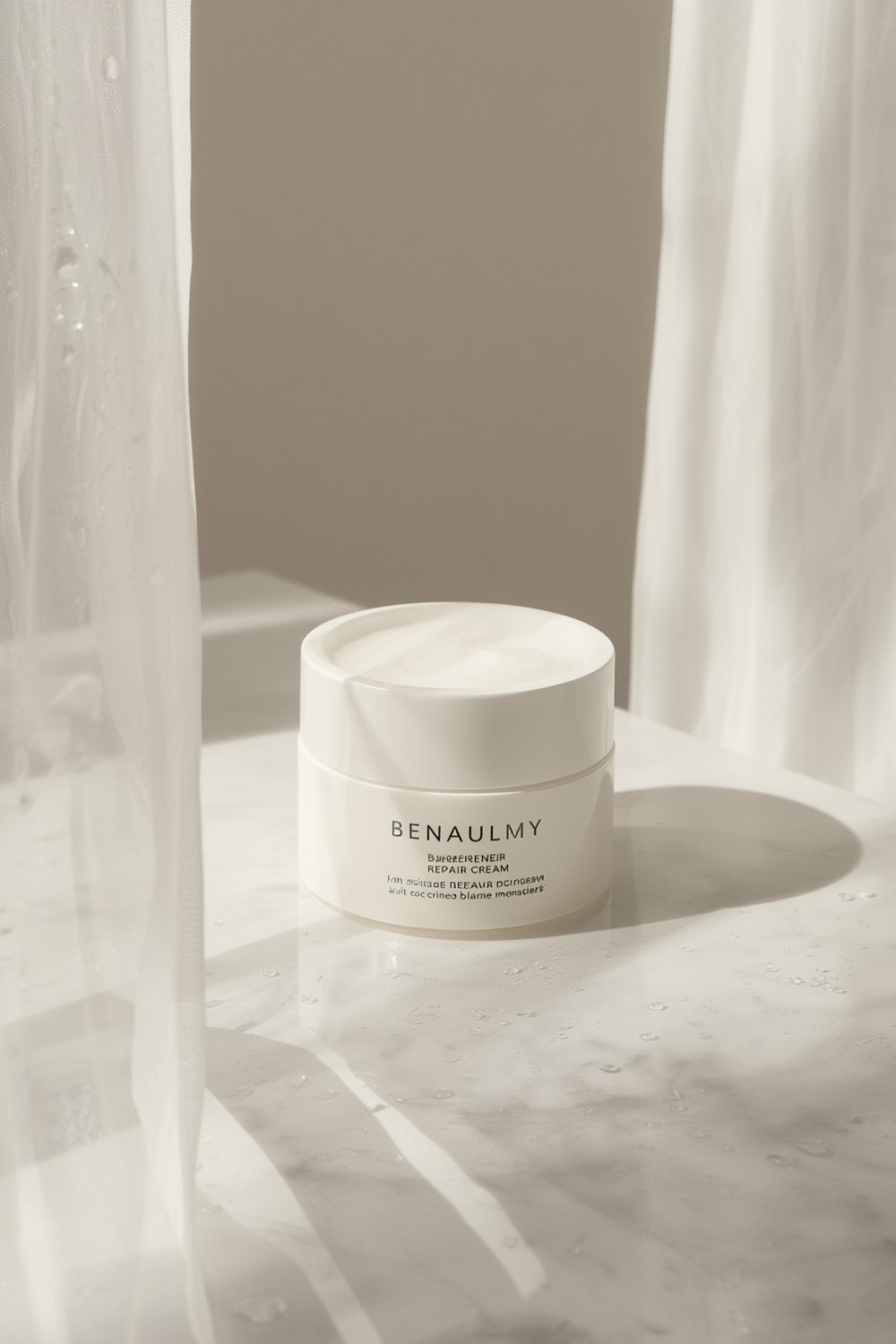
Step by Step: Korean Approach to Barrier Repair Cream
How to Use Barrier Repair Cream in a Korean Skincare Routine
- Gentle Double Cleanse: Start with an oil or balm cleanser, followed by a low pH gel cleanser to remove makeup without stripping skin.
- Hydrating Toner and Essences: Apply a hydration-boosting toner or essence such as a brightening rice toner or Centella ampoule for calming.
- Lightweight Serums: If targeting barrier repair, a serum containing ceramides or peptides can prep the skin for richer moisture, but always layer thinnest to thickest.
- Apply Barrier Repair Cream: Gently smooth a nickel-sized amount of barrier repair cream over face and neck, pressing lightly to aid penetration. Focus especially on cheeks, jawline, and any dry patches.
- Seal With Sleeping Mask (At Night): For added overnight repair, layer a hydrating sleeping pack on top.
- Sunscreen (AM): In morning routines, always finish with a broad spectrum Korean sunscreen to prevent further barrier breakdown.
Optimal frequency for barrier repair creams is once or twice daily. For acute flare-ups or after using retinoids, adding an extra layer in the evening speeds results.
Related routines like the Korean skincare routine and “skin cycling” can enhance barrier resilience when coordinated thoughtfully.
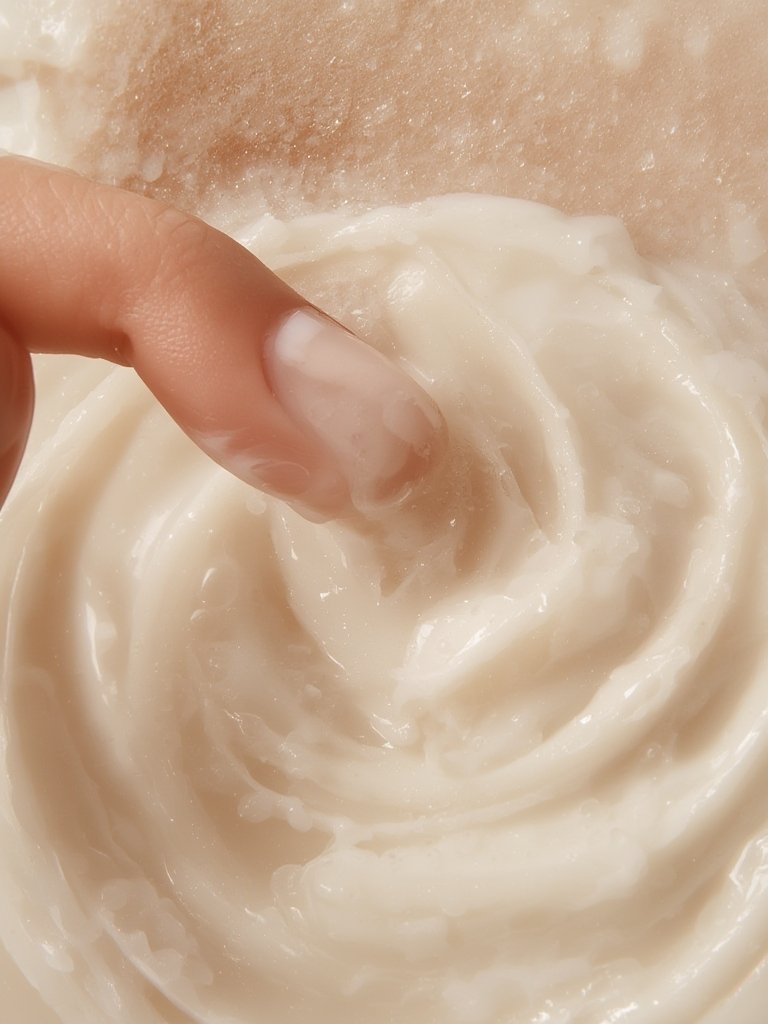
- For total-body barrier care, combine a hydrating Korean body wash and a collagen body lotion with your facial routine.
- To support the scalp’s barrier, see the scalp-first hair care approach found in Korean hair routines.
Advanced Analysis and Common Pitfalls
Barrier Repair Cream Ingredient Pitfalls and Myths
Despite marketing claims, not all so-called barrier repair creams are clinically proven. Most recent research (2022-2024) shows that ceramide formulas stand out and greatly reduce TEWL, pruritus, and dryness in atopic dermatitis and dry skin sufferers. One large multicenter study reported a 61.2% drop in eczema severity and a 67.2% improvement in quality of life over four weeks with a ceramide cream regimen.
[1]
Other common actives like panthenol and cica (Centella asiatica) are widely used in K-beauty but currently lack high-quality, barrier-specific clinical data from the last two years.
[2]
Common Pitfalls When Using Barrier Repair Cream
- Skipping Layering: Barrier repair cream alone does not deliver the full “Korean skin glow.” Skipping toners and essences often leads to less satisfying results.
- Over-application: Using excessive amounts can leave skin greasy and potentially cause breakouts for oily skin types.
- Poor ingredient pairing: Using retinoids or exfoliating acids immediately with a barrier cream may dilute benefits and increase irritation.
- Fragrance sensitivity: Even K-beauty formulas sometimes include plant or essential oils that can sensitize already compromised skin. Opt for fragrance-free options if your barrier is damaged.
Barrier Creams vs Serums: Practical Comparison
| Product Type | Primary Function | Main Ingredients | Best For | Notes |
|---|---|---|---|---|
| Barrier Repair Cream | Occlusive, sealing, intensive replenishment | Ceramides (NP, AP, EOP), lipids, fatty acids | Dry, irritated, sensitive, or eczema-prone skin | Clinically proven to restore barrier best |
| Barrier Serum | Lightweight, hydrating, fast absorption | Often includes panthenol, cica, peptides | Oilier skin, layering under cream, mild barrier support | Limited recent clinical evidence for barrier healing |
For rapid, clinically backed barrier restoration, creams are still the gold standard. Serums can have a place in supportive layering but should not replace barrier creams for damaged skin. Those seeking deep repair should start by applying a ceramide-rich cream after lighter toners and serums.

If you enjoy integrating the latest devices, pairing with LED face masks or ultrasonic skin scrubbers can further support skin wellness, provided the barrier is not actively inflamed.
Conclusion
Barrier repair cream remains a cornerstone of effective Korean skincare, especially for anyone struggling with sensitivity, dryness, or visible irritation. Clinical studies from 2022-2024 confirm that ceramide-rich barrier creams deliver dramatic improvements in skin comfort and barrier integrity when layered correctly in a hydration-first routine. Remember to manage expectations: results build with daily care, patience, and smart ingredient choices. Barrier repair cream delivers best results when woven into a complete Korean beauty system. Explore related Korean beauty routines to build a resilient, glowing skin barrier that lasts.
Frequently Asked Questions
How quickly can I see results with a barrier repair cream?
Most users notice a reduction in dryness and irritation within days, but visible improvements in barrier resilience and texture often take 2–4 weeks of regular use. Clinical studies report strong results after a month of consistent application.
Can I use barrier repair cream with other actives like retinol?
Yes, but barrier repair creams should typically be used after actives to buffer potential irritation. Give retinol or chemical exfoliants 10–20 minutes to absorb before applying barrier cream on top.
Is barrier repair cream safe for all skin types?
Most fragrance-free barrier repair creams are well tolerated by sensitive, dry, and combination skin. Oily or acne-prone skin types should opt for lightweight, non-comedogenic formulas and monitor for pore congestion.
Does cica or panthenol work as well as ceramides for barrier repair?
As of 2024, only ceramide-rich creams have robust clinical evidence for measurable barrier repair. Panthenol and cica are soothing and widely used in Korean beauty but lack the same level of scientific backing for barrier restoration.
Should I apply barrier repair cream at night or in the morning?
Both are beneficial. At night, the cream supports recovery during skin’s peak regeneration window. In the morning, it acts as a shield under sunscreen against daily stressors.