
### Blog Post:
Scalp scrub korean products have become a foundational part of K-beauty routines for anyone serious about a healthy scalp and stronger hair. Their popularity reflects a shift toward “scalp-first” care within Korean beauty, addressing modern concerns like buildup, irritation, and hair thinning. While scalp scrubs are never miracle cures, they offer real, visible improvements in scalp comfort and hair quality when used correctly and consistently.
Key Takeaways
- Korean scalp scrubs target buildup, irritation, and thinning using gentle yet effective exfoliation.
- Ingredient selection—like tea tree oil, sea salt, and probiotics—aligns with Korean beauty’s barrier-first, calming approach.
- Best results come from regular but moderate use alongside a complete Korean hair care ritual.
- What Is a Korean Scalp Scrub?
- How to Use a Scalp Scrub Korean-Style: Step by Step
- Deep Dive: Ingredients, Misconceptions, and Common Pitfalls
- Conclusion
- Frequently Asked Questions
What Is a Korean Scalp Scrub?
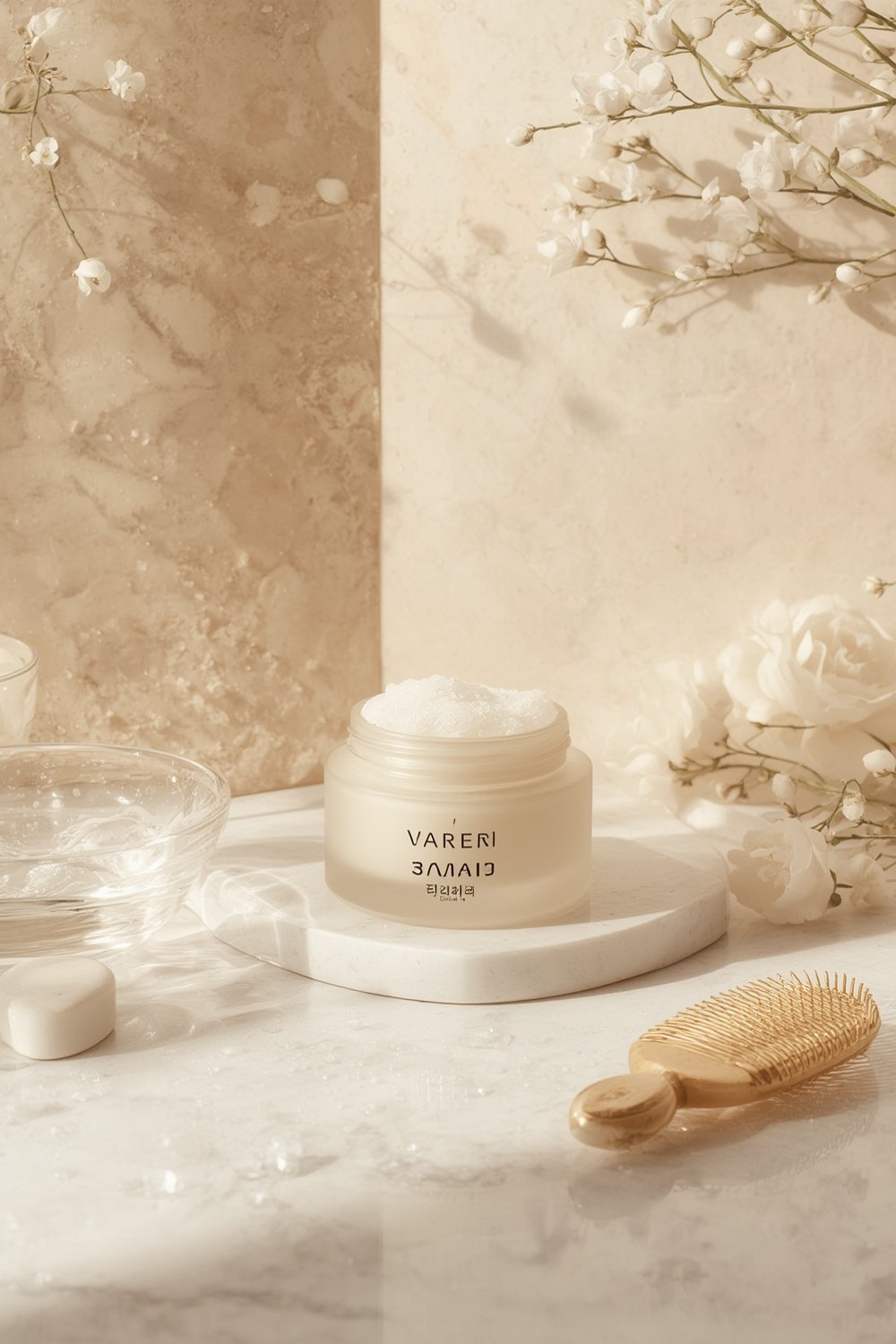
A scalp scrub korean refers to a specialized exfoliator designed for the scalp, blending gentle physical or microbead exfoliants with therapeutic Korean herbal ingredients and actives like tea tree oil or probiotics. Traditional K-beauty principles view the scalp as an extension of facial skin, stressing regular detoxification and gentle cell turnover to maintain the barrier and follicle health. Products are crafted to remove sebum, styling residue, and environmental buildup without over-stripping or inflaming delicate scalp skin.
Why does it work? Routine exfoliation clears blocked follicles and soothes micro-inflammation. This aligns with the Korean scalp-first approach, which prioritizes preventive care and gentle, layered solutions—just as in Korean facial routines. Scalp scrubs are intended to complement, not replace, a balanced ritual including scalp serums, lightweight conditioners, and the occasional targeted device like a scalp massager. While direct medical evidence on Korean scalp scrub efficacy is limited, consumer sentiment and rising global sales (see market research) indicate a clear benefit to this methodology.
How to Use a Scalp Scrub Korean-Style: Step by Step
Step 1: Prepare Your Hair and Scalp
Thoroughly detangle dry hair using fingers or a wide-toothed comb. This helps reveal the scalp surface and prevents knots during massage.
Step 2: Pre-Wet Scalp (Optional for Sensitive Types)
Lightly mist or dampen scalp to prevent friction for very dry or reactive skin. This helps reduce irritation, especially for first-timers or those with sensitive scalps.
Step 3: Apply the Scalp Scrub Korean-Style
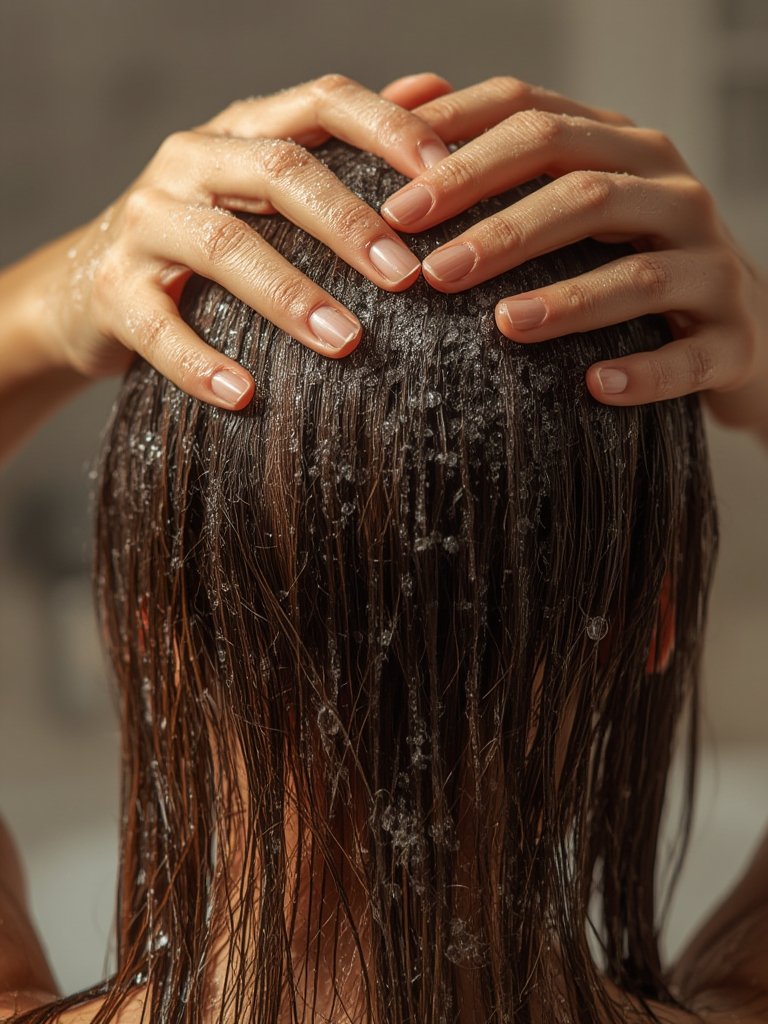
Dispense a walnut-sized amount of your chosen scrub. Part hair in sections. With light pressure, use your fingertips—not fingernails—to massage the product directly onto the scalp, focusing on high-buildup areas around the hairline, nape, and crown. Avoid tugging or harsh circular motions.
Step 4: Let Sit Briefly, Then Rinse Thoroughly
Allow the formula to sit for 1-3 minutes for active ingredients to work. Rinse using room temperature water. Follow with a gentle korean shampoo to remove residual buildup. Avoid hot water, which can trigger sensitivity.
Step 5: Condition Hair Lengths as Usual
Use conditioner or protein hair mask korean only on mid-lengths to ends to avoid scalp heaviness. Rinse completely.
Step 6: Follow with Scalp Serum or Ampoule
Pat scalp dry with a towel (do not rub). Immediately apply a targeted scalp serum or ampoule to lock in moisture, soothe, or support fullness as desired.
How Often Should You Use a Scalp Scrub Korean Formula?
Once weekly is a safe starting point for most, but oily or heavily styled scalps may benefit from twice weekly use. Over-exfoliation (more than 2 times per week) can damage the barrier and worsen irritation in sensitive individuals.
Always monitor for signs of dryness, itching, or increased hair shedding and adjust frequency accordingly.
Deep Dive: Ingredients, Misconceptions, and Common Pitfalls
Trending Ingredients in Scalp Scrub Korean Products
- Tea tree oil: Known for balancing and antimicrobial benefits—but too much may trigger dryness in sensitive types.
- Peppermint, menthol, sea salt: For immediate freshness and sebum regulation, popular in US and Asia-Pacific K-beauty products. See Future Market Insights.
- Probiotics and Korean herbal blends: Support long-term barrier defense and scalp comfort, in line with barrier-focused K-beauty logic.
- Charcoal, clay, or microcrystalline beads: Physical exfoliators for detoxifying without harshness.
Price data is limited, but per capita US spending for scalp scrubs sits around $24.50, with premium K-beauty formats sometimes higher (source).
Addressing Common Misconceptions
- Scalp Scrubs Are NOT for Everyone, Every Day: Overuse can disrupt the scalp barrier, contrary to the Korean skincare philosophy of “repair and maintain.” If you already use clarifying shampoos, adjust frequency down.
- No Clinical Trials (2023-2026): There are no recent dermatologist-backed studies specifically on Korean scalp scrub efficacy for detox or hair growth (Growth Market Reports).
Risks and Precautions
- Watch for signs of increased itchiness, redness, flaking, or tenderness—these indicate too frequent use or sensitivity to actives like tea tree oil.
- Avoid abrasive or overly “scrubby” products if you have scalp conditions (eczema, psoriasis) unless dermatologist approved.
- Patch-test new formulas if your scalp is sensitive or reactive.
| Type | Main Benefit | Potential Downside |
|---|---|---|
| Korean scalp scrub (with tea tree / probiotics) | Buildup removal, soothing, supports scalp barrier | Irritation if overused or with sensitive skin |
| Clarifying shampoo | Deep cleansing of oil and product | May strip hair, lacks exfoliating particles |
| Scalp massager electric | Boosts circulation, helps distribute products | Minimal exfoliation alone |
For a routine built around healthier hair and scalp, consider not just products but integrating beauty tools and devices for professional-level results at home.
Conclusion
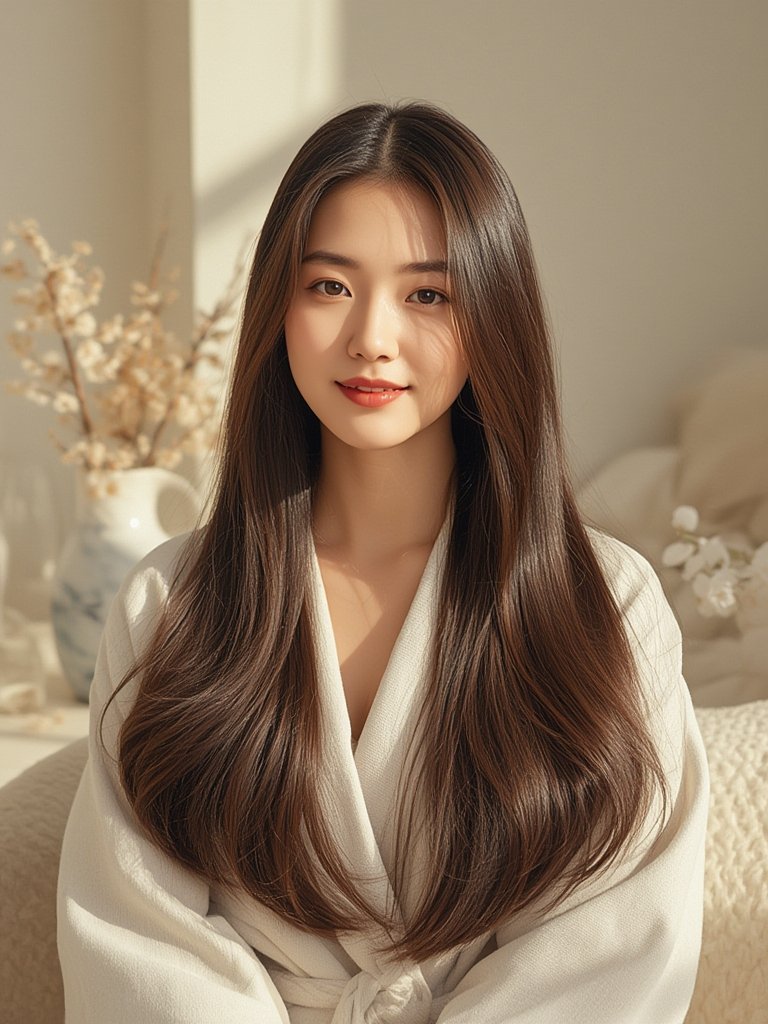
Korean scalp scrubs represent a unique intersection of traditional ingredient wisdom and modern exfoliation science, helping users address buildup and scalp discomfort as part of a complete barrier-first beauty ritual. While evidence for scalp detox is mostly consumer-based, usage data and global trends strongly support the “scalp first” approach as a foundation for stronger, healthier hair. Integrate a scalp scrub korean product into your weekly routine and layer with scalp serum, hair essence, and noninvasive devices for optimal benefits. Explore related Korean hair care strategies to build your best scalp and hair system.
Frequently Asked Questions
How often should I use a scalp scrub korean product?
Start with once a week and adjust based on your scalp’s sensitivity and amount of buildup. Most users see results with weekly or twice-weekly use, but avoid over-exfoliation.
Are scalp scrubs safe for color-treated or damaged hair?
Generally yes, but look for gentle Korean formats free of harsh salts or large abrasives. Always follow with soothing scalp serums and a nourishing conditioner or protein mask.
What are the main benefits of Korean scalp scrubs compared to regular clarifying shampoos?
Korean scalp scrubs offer gentle physical exfoliation plus calming and hydrating actives, making them suitable for sensitive and overworked scalps. Clarifying shampoos are better for oil; scrubs target buildup and dead skin.
Can I use scalp scrubs if I already have a flaky or itchy scalp?
Yes, if the scrub is mild and designed for sensitive skin. Avoid overuse, and stop immediately if irritation increases. A patch test is recommended.
How do I build a complete Korean scalp care routine?
Pair weekly scalp scrubbing with a regular scalp serum korean, a lightweight conditioner, and a scalp massager electric for daily stimulation. Consider protein masks or essences for lengths as needed.
—