

Ultrasonic skin scrubber devices are emerging as a popular non-invasive skincare tool for those seeking glass skin in the Korean beauty community. While these tools promise gentle exfoliation and improved product absorption, it’s essential to understand their actual benefits, safety, and realistic usage based on current research and market offerings. Before investing, let’s dive into what ultrasonic skin scrubbers can and cannot do within the framework of science and modern K-beauty philosophy.
Key Takeaways
- Ultrasonic skin scrubbers offer gentle, surface-level exfoliation and product absorption with low irritation for most skin types.
- These devices are not clinically proven for deep pore cleansing or pore shrinking but can be a valuable part of a Korean beauty layering routine.
- Sensitive or barrier-impaired skin types should use caution, and overuse can harm skin barrier health—choose frequency and technique wisely.
- How Ultrasonic Skin Scrubbers Work in K-Beauty
- Step by Step: Korean Skin Scrubbing Guide
- Advanced Analysis and Common Pitfalls
- Conclusion
- Frequently Asked Questions
How Ultrasonic Skin Scrubbers Work in K-Beauty
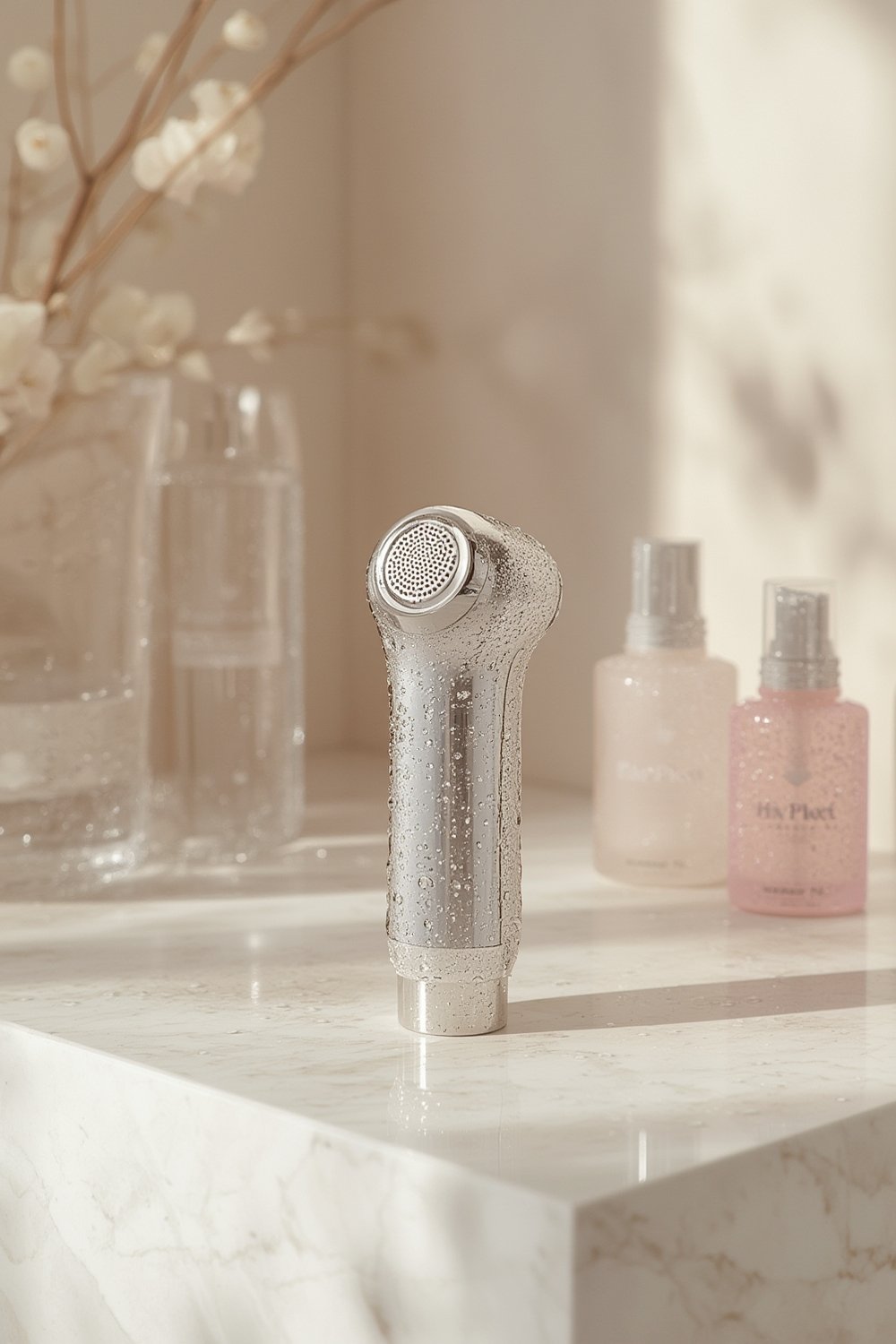
An ultrasonic skin scrubber is a handheld device that uses high-frequency mechanical vibrations—usually around 25,000 vibrations per second—to gently lift off surface dirt, dead skin cells, and excess oil. Unlike abrasive scrubs, this device exfoliates using sound waves and is considered non-invasive, aligning with Korean beauty’s focus on barrier-friendly, gentle skincare and layered routines.
In practice, these devices are especially valued for how they enhance the classic Korean skincare layering system by creating a smooth, receptive canvas for serums, ampoules, and essences. The most advanced models, such as those from leading brands like FOREO and YA-MAN, sometimes add features like LED therapy or microcurrent stimulation. Keep in mind, current clinical research distinguishes between ultrasonic scrubbers and high-intensity spa ultrasound treatments—they work through different mechanisms, and their results are not interchangeable. (source)
The device is best suited to normal to combination skin types. K-beauty’s barrier-first philosophy discourages excessive exfoliation, especially for sensitive or compromised skin. As such, those with rosacea, thin skin, or persistent dryness should use these devices with caution, if at all.
Step by Step: Korean Skin Scrubbing Guide
- Start with Double Cleansing: Complete your Korean double cleanse to fully remove makeup, excess sebum, and sunscreen. This primes your skin for mechanical exfoliation.
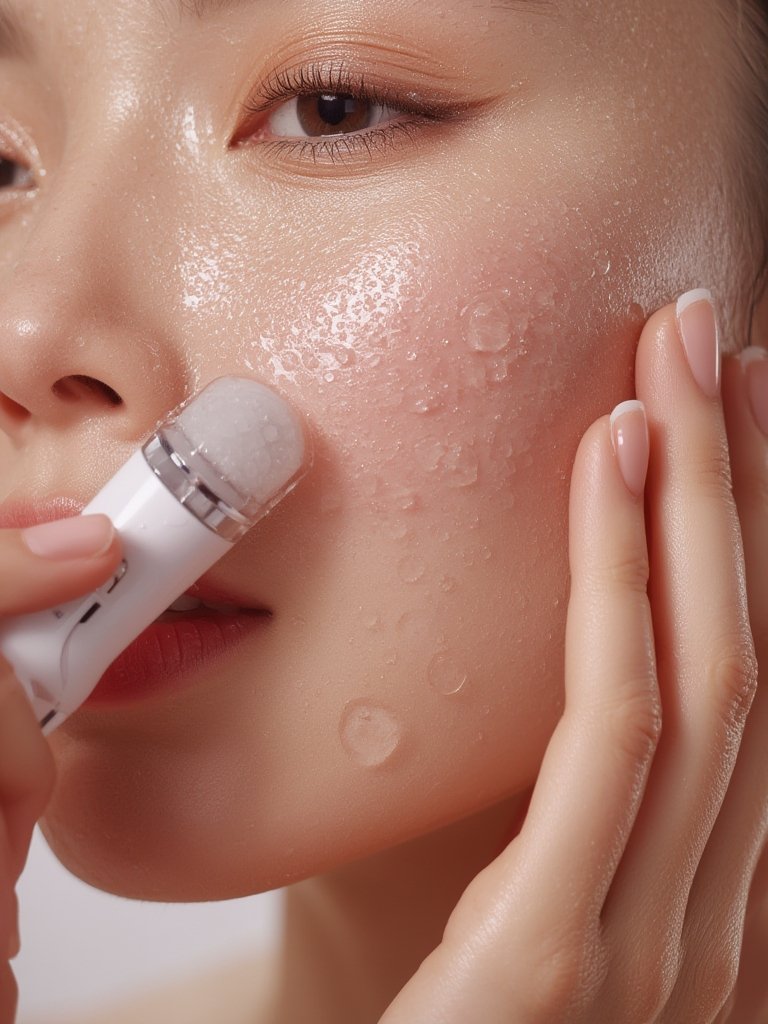
- Keep Skin Moist: Apply a water-based toner or facial mist so the device glides smoothly—ultrasonic skin scrubbers require damp skin to transmit vibrations effectively.
- Power On and Adjust Settings: For most home devices, select a gentle mode if you are new or have sensitive skin. Confirm your scrubber operates at approximately 25,000 Hz for classic Korean models (source).
- Glide with the Correct Angle: Hold the spatula blade at a 30-45 degree angle and move slowly outward from the center of your face. Do not apply pressure—let the device do the work.
- Layer Your Skincare: Immediately follow with essence, serum, or ampoule while skin is still slightly moist. This step harnesses Korean skincare layering for maximum glow.
- Seal and Soothe: Apply a lightweight moisturizer and, at night, consider a restorative sleeping mask for overnight repair. If you exfoliate in the morning, do not skip broad-spectrum sunscreen.
- Frequency: Use 1 to 2 times weekly, or per your skin’s tolerance. Overuse can lead to barrier disruption, redness, or sensitivity.
Advanced Analysis and Common Pitfalls
Understanding What Ultrasonic Skin Scrubbers Can Really Do
Despite popular marketing, ultrasonic skin scrubber devices have not been clinically proven to shrink pores or deliver deep pore cleansing like professional medical procedures. Their main effect comes from dislodging surface oil, dirt, and dead skin—making skin appear smoother and allowing for more even product absorption. (source)
There is frequent confusion between these devices and high-intensity ultrasound used professionally for skin tightening. The latter works via thermal collagen stimulation and is a validated clinical modality (source), but home scrubbers do not use heat or energy levels sufficient for tightening. For those wanting firming, consider a LED face mask or LED face mask approach.
Who Should Avoid Ultrasonic Scrubbers?
- People with highly sensitive, thin, or actively inflamed skin.
- Anyone with a compromised barrier (eczema, chronic flaking, raw spots).
- Severe or cystic acne, where mechanical movement may provoke breakouts.
- Rosacea patients, especially during active flare-ups.
These populations fit poorly with mechanical exfoliation—even the gentler kind. Instead, consult your dermatologist for barrier care strategies, or explore hydrating options such as a hydrogel mask.
Risks: Overuse and Irritation
Overusing an ultrasonic skin scrubber—more than 2 to 3 times weekly or applying high pressure—can lead to redness, transient stinging, and long-term barrier impairment. K-beauty wisdom prioritizes maintaining the skin’s acid mantle, so always monitor your skin for signs of drying or new sensitivity.
How Devices Compare: Features & Alternatives
| Device | Mode of Action | Key Features | Cost (est.) | Ideal For |
|---|---|---|---|---|
| Ultrasonic Skin Scrubber | Mechanical vibrations (25,000Hz), surface exfoliation | Non-abrasive, can include LED or microcurrent, app guidance | Moderate-high (varies by brand) | Normal/combination skin, enhancing product absorption |
| Microcurrent Device | Low electrical current for muscle stimulation | Facial toning, lift, contour | High | Aging skin, sagging |
| Korean Exfoliating Mitt (Italy Towel) | Manual friction, abrasive exfoliation | Body focus, spa inspired ritual | Low | Body care, prepping for personal care essentials |
| Hydrogel Mask | Occlusive, deeply hydrating | Collagen, skin calming | Low to moderate | Irritated or after-exfoliation skin |
What About Cost?
While many ultrasonic scrubbers carry a higher initial investment than traditional exfoliating methods, more budget-oriented models have launched recently (Panasonic, 2023). Ongoing costs are minimal if the device is used correctly and maintained, but there is no research confirming lifespan or 12+ month efficacy (source), so longevity remains a consideration.
If you crave both professional results and DIY flexibility, supplement your device usage with home-friendly beauty tools and devices often featured in K-beauty routines.

Conclusion
Ultrasonic skin scrubber technology offers a practical, non-invasive way to support K-beauty’s exfoliation steps—delivering mild resurfacing and improved absorption for most users. Do not expect pore shrinking or deep cleaning beyond the top skin layers, and always consider your unique skin type, especially if you lean sensitive or your barrier is compromised. For a holistic approach, layer the ultrasonic skin scrubber into a structured Korean beauty regimen with ample barrier recovery and hydration. Explore related Korean skincare routines to build a complete self-care system.
Frequently Asked Questions
Are ultrasonic skin scrubbers safe for sensitive skin?
Use with caution. Dermatologist guidance suggests those with sensitive, dry, or rosacea-prone skin should either skip ultrasonic exfoliation or reduce frequency significantly (source).
Can an ultrasonic skin scrubber shrink pores?
No. These devices remove surface debris but lack clinical evidence for true pore size reduction. Claims of “deep pore cleansing” refer only to surface-level effects.
How often should I use the device in my Korean routine?
For most, one to two times weekly is optimal. Overuse leads to barrier damage—a key concern in the Korean skin care philosophy.
How does a scrubber compare to exfoliating mitts (Italy towels)?
Ultrasonic scrubbers are less abrasive and better suited to facial care, while Korean exfoliating mitts are ideal for body exfoliation and more intensive spa-inspired rituals.
Are there alternatives for barrier-compromised or post-acne skin?
Yes. Prioritize barrier repair serums like Centella ampoule, PDRN ampoules, or a hydrating sleeping mask to restore and protect your skin.