

### Blog Post:
Microcurrent device technology is rapidly gaining traction in the world of Korean beauty for its promise of non invasive facial lifting and visible skin rejuvenation without downtime. As K-beauty routines emphasize long term healthy skin and prevention, these high tech tools fit perfectly in at home skincare regimens. While clinical studies show measurable results for facial muscle toning and wrinkle smoothing, expectations should remain grounded: at home microcurrent devices require consistent use and are not a one time miracle solution.
Key Takeaways
- Clinical trials report microcurrent devices can improve facial muscle tone and visibly reduce fine lines with consistent use.
- Non invasive and compatible with Korean skincare layering—a unique advantage for barrier care routines.
- Results require diligence. Effects fade if you discontinue use; always follow safety and usage guidelines.
- What Is a Microcurrent Device in Korean Beauty?
- How to Safely Use a Microcurrent Device in Your Routine
- Advanced Analysis and Common Pitfalls
- Conclusion
- Frequently Asked Questions
What Is a Microcurrent Device in Korean Beauty?
A microcurrent device sends gentle, low level electrical currents—most commonly 150 to 600 microamps—through the skin to target underlying facial muscles. Unlike salon-based treatments, today’s K-beauty inspired devices are designed for regular home use, letting you personalize results in your own skincare routine.
How does it work? Microcurrents stimulate cellular energy (ATP production), supporting collagen and elastin synthesis and helping muscles appear firmer. A randomized controlled 2024 study found a significant 18.7 percent increase in muscle thickness and visible wrinkle reductions after 12 weeks’ use.
In Korean beauty, prevention and healthy skin foundation are core. Microcurrent technology complements illustrated K-beauty concepts such as the 10 step skincare routine and at home beauty tool revolution, by providing non invasive toning that can layer between other self-care steps.
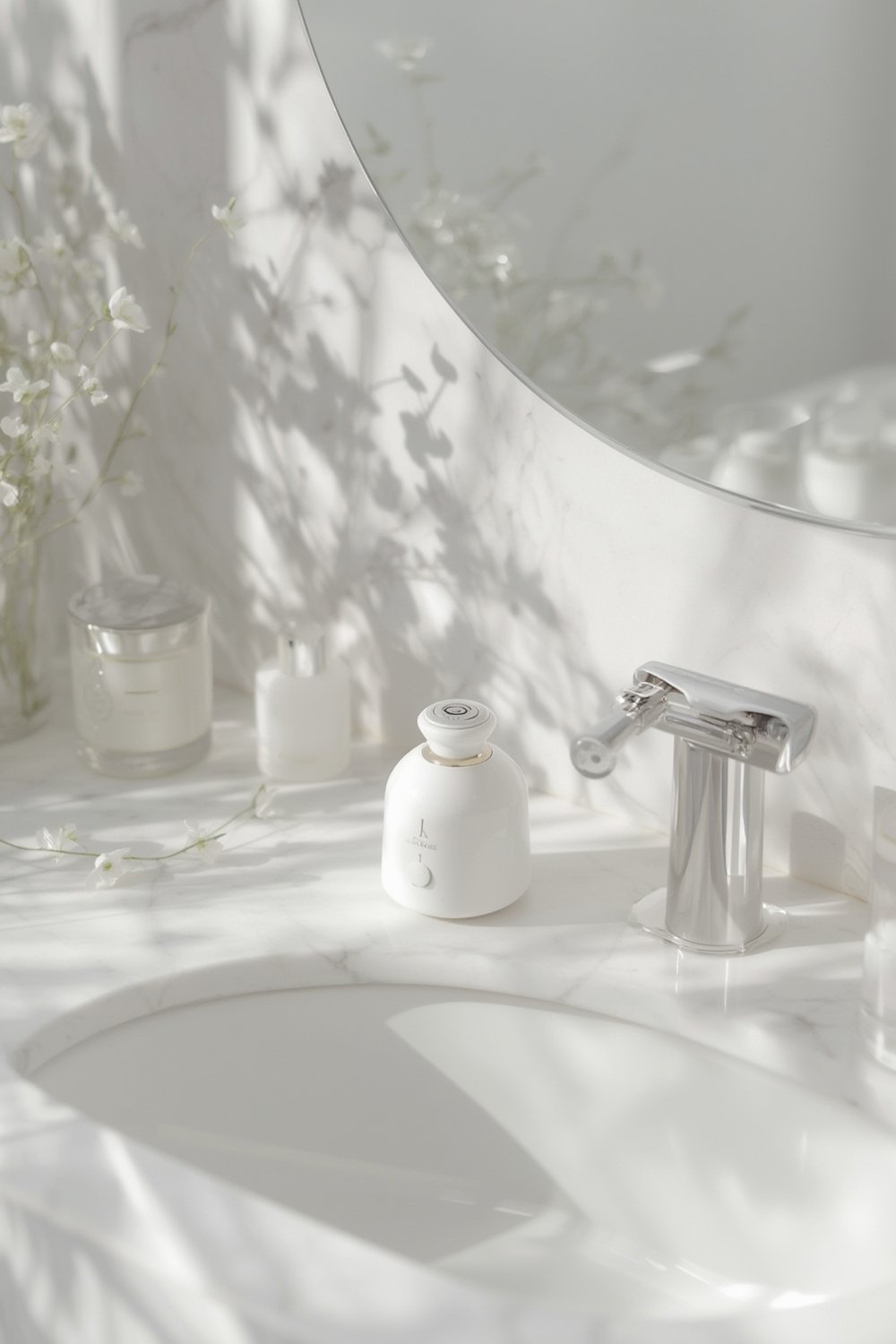
How to Safely Use a Microcurrent Device in Your Routine
Integrating a microcurrent device into your home skincare routine maximizes the benefits of Korean barrier care and multitasking layering. Here’s a practical guide, suitable for both beginners and experienced beauty tech users:
- Prepare and Cleanse
Start with a thorough gentle cleanse (avoid harsh or very acidic cleansers). For best results, exfoliate no more than 2-3 times per week with a Korean exfoliating mitt, ensuring no product residues remain. - Apply Conductive Serum or Gel
A water based or gel conductivity enhancer is always required. Avoid oils—they block current flow. Many K-beauty brands have launched peptide enriched conductive gels; choose those that support skin hydration and repair. - Layer Smartly with Ampoules
Apply your barrier serum or hydrating ampoule directly before or after the conductive gel. Ingredients such as centella asiatica, polyglutamic acid or PDRN pair exceptionally well as they calm potential irritation and boost recovery. - Use the Microcurrent Device According to Manual
Always follow the device’s guide for direction (usually upward or outward strokes) and time. Home devices typically recommend 5-20 minutes per session, up to five times weekly for visible results. - Finish with Barrier Cream or SPF
Lock in results and protect the skin. Choose a lightweight barrier cream, bouncy collagen jelly cream or SPF if using the device in the morning.
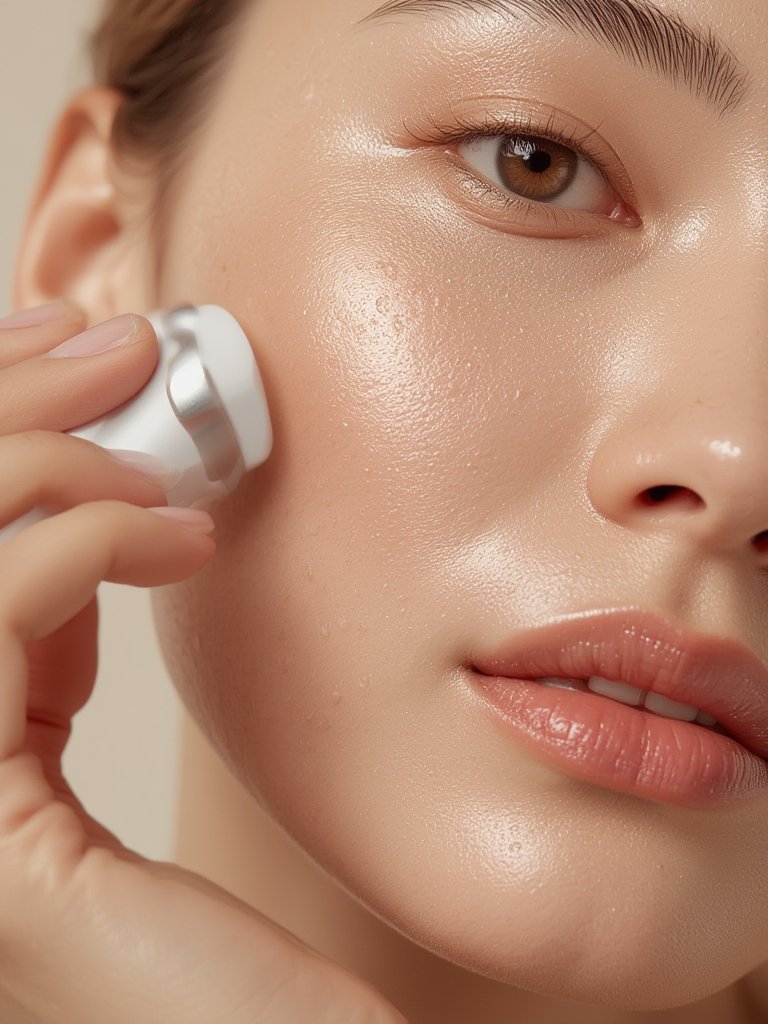
Advanced Analysis and Common Pitfalls
Despite their rising popularity, microcurrent devices are not without myths or drawbacks. Here’s a closer look based on recent clinical data (source, study data):
Common Misconceptions
- Instant results last forever: While a single session delivers a visible “tightening” and lifted look, regular use is required to maintain results. Benefits fade after stopping.
- All skin types will react the same: Clinical studies (see here) show safety across skin tones, but those with high sensitivity, eczema, or active breakouts should start cautiously or seek a barrier restoring phase first.
- No side effects: Most users experience no issues, but mild redness (transient erythema) can occur. Stinging and tingling are normal at the lowest settings, but burning or pain suggests you should stop and review technique.
Risks and Ingredient Sensitivity
- Never layer with strong acids or retinoids before a microcurrent session. This increases the risk of irritation.
- If you have an impaired skin barrier, focus on healing with a centella ampoule before introducing devices.
Comparison: Microcurrent, LED, and RF Devices
Microcurrent, LED masks, and RF all fall under non invasive device technology in the K-beauty space. Here’s how they stack up:
| Device Type | Main Effect | Clinical Results | Unique K-beauty Benefit | Safety Profile |
|---|---|---|---|---|
| Microcurrent device | Facial muscle toning, wrinkle smoothing | Up to 18.7% muscle thickness, 21% wrinkle reduction | Lifted look, boosted ATP for collagen layering | Transient redness possible; high safety |
| LED face mask | Even skin tone, smoothing, brightness | 59% clinical improvement, 91% improved tone | Compatible with LED therapy routines | Very high; almost no reactions |
| RF (radiofrequency) | Firmness, texture, brightness | Significant firming and smoothing | Deep rejuvenation, works with barrier creams | High; no major adverse events |
Neglected Subtopics
- Device durability: Longevity and maintenance tips are often missing from brand guidance. Clean electrodes with alcohol after each use, and never immerse the unit in water.
- Professional vs at-home results: Most research involves either clinical grade or at-home devices, but head-to-head trials are lacking. At-home tools typically use lower current intensity; results may be milder but repeatable and cumulative.

Conclusion
Microcurrent device technology provides a practical, non invasive approach that fits seamlessly within modern Korean beauty routines. While clinical evidence affirms improvements in muscle tone and fine line smoothing, results require steady, careful usage and a barrier care mindset. Curious about other at home skincare breakthroughs? Explore related Korean skincare routines and technologies to build a complete system that delivers long term results.
Frequently Asked Questions
Can I use a microcurrent device every day?
Most dermatologists and device instructions recommend using a microcurrent device 3 to 5 times per week. Overuse does not enhance results, and daily treatments may cause mild irritation or fatigue in sensitive skin.
What types of skincare products should I avoid before using a microcurrent device?
Avoid applying strong acids (AHAs, BHAs), retinoids, or exfoliants immediately before use. Stick to gentle hydrating ampoules and conductive gels.
Is a microcurrent device suitable for all skin types?
Most skin types tolerate microcurrent devices well, but highly sensitive or compromised skin barriers should be restored beforehand using Korean calming serums. Consult a professional if you have severe eczema or active skin conditions.
How does a microcurrent device compare to an LED face mask?
Microcurrent devices target muscle tone for lifting, while LED face masks address pigmentation, redness, and overall radiance. Both can be used within a Korean skincare regimen but deliver different benefits. See our detailed LED device guide here.
Do at home microcurrent devices require special care?
Yes. Always clean the electrodes with alcohol and store your device in a dry place. Avoid dropping or exposing it to moisture. Refer to the product manual for more tips.
—