
### Blog Post:
LED face mask technology is reshaping Korean beauty by bringing non invasive light therapy directly to at-home skincare. The surge in popularity for red light therapy masks signals a shift toward science-backed, device-driven regimes, but expectations must be realistic—these tools can offer visible improvements with ongoing use, but are not quick fixes or direct equivalents to in-clinic dermatological treatments.
Key Takeaways
- The global at-home LED face mask market is expanding rapidly, driven by accessibility, clinical innovation, and affordable pricing.
- Red and blue LED masks address both anti-aging and acne concerns, supporting multifaceted Korean skincare goals.
- For best results, LED masks should complement (not replace) gentle, barrier-protective Korean skincare routines.
- What Is an LED Face Mask in Korean Beauty?
- How to Use an LED Face Mask: Korean Beauty Guide
- Analysis, Pitfalls, and Alternatives
- Conclusion
- Frequently Asked Questions
What Is an LED Face Mask in Korean Beauty?
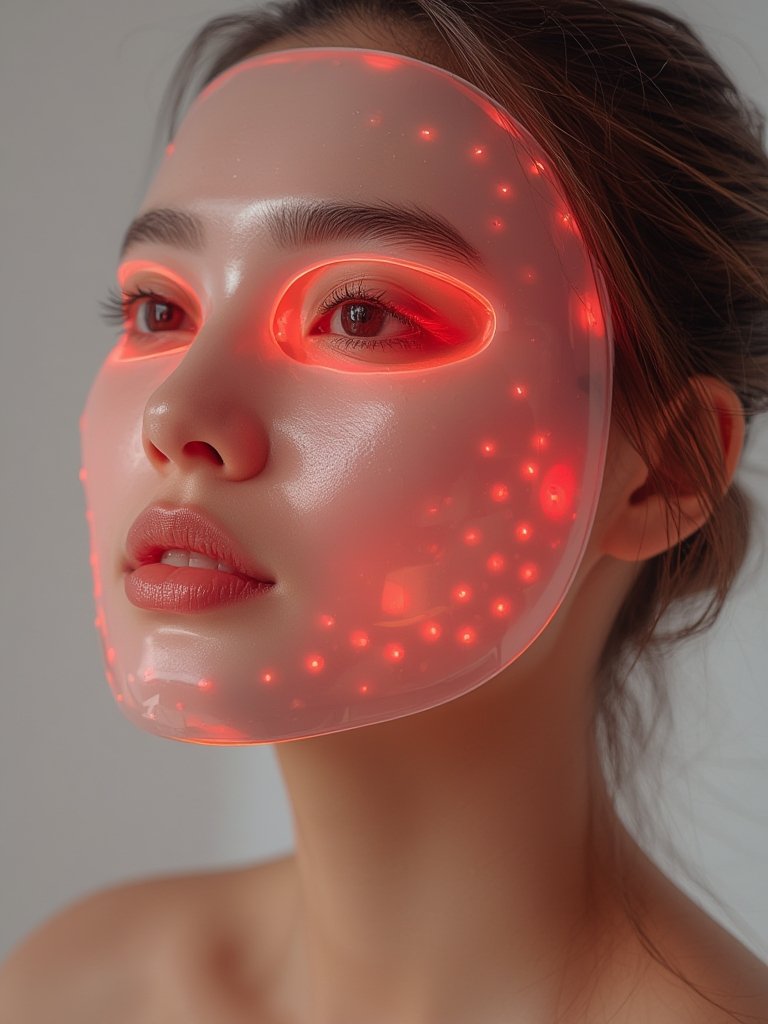
An LED face mask is a wearable, non invasive device that emits specific wavelengths of light to target skin concerns like aging, pigmentation, and acne. Instead of relying on topical actives alone, Korean beauty philosophies have embraced LED masks as a smart, tech-driven addition to multi step routines. By stimulating natural repair processes beneath the skin’s surface, red and blue light therapy aligns with K-beauty’s focus on healthy, resilient, glowing skin—minus harshness or downtime.
Modern LED masks, especially red light therapy devices, are designed to fit seamlessly into routines rooted in layering and barrier care. They amplify the efficacy of calming ampoules, hydrating serums, and glass skin rituals while offering at-home convenience. According to market data, consumer demand is growing rapidly as more devices gain smart features and clinical validation, allowing anyone to elevate self-care beyond traditional sheet masks.
How to Use an LED Face Mask: Korean Beauty Guide
Integrating an LED face mask into your Korean skincare routine is straightforward but effectiveness depends on consistent, correct usage. Here is a realistic, step-by-step protocol based on current best practices for at-home light therapy:
- Cleanse properly: Use a low-pH, hydrating cleanser such as those discussed in the Korean skincare routine guide to remove makeup, sunscreen, and debris without stripping the barrier.
- Layer hydration: Apply your favorite essence or hydrating ampoule. A centella ampoule can support barrier repair and soothe sensitivity, making the skin better prepared for light therapy.
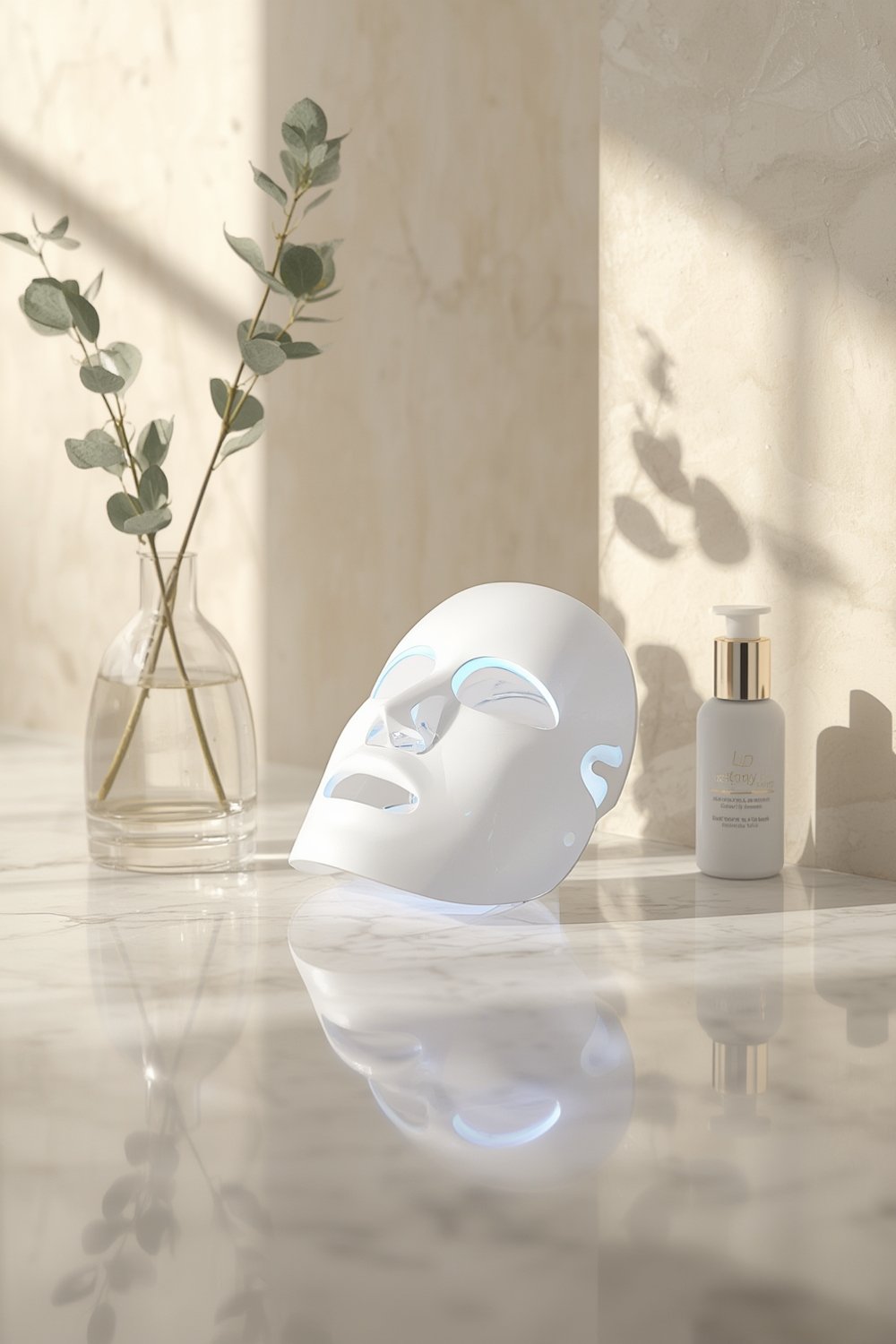
- Put on the LED face mask: Adjust the mask so it sits evenly across the face. Press the power button and select your preferred mode—red light for anti-aging or blue light for acne, if your device supports both. Typical protocol is 10 to 20 minutes per session; always follow manufacturer guidelines.
- Finish your routine: After your session, apply a nourishing cream or jelly cream for bounce and elasticity. Lock in moisture with Korean sleeping masks, which complement the results of light therapy by keeping the skin calm overnight (learn more about sleeping packs here).
- Frequency: Use 2–4 times per week for at least 4 to 8 weeks before expecting visible results. Always review device-specific instructions.
Layering tips: Avoid ingredients that cause photosensitivity—such as strong exfoliating acids or retinoids—right before or after LED mask use. Instead, stick to hydration, gentle barrier serums, and light moisturizers. Build the rest of your Korean skincare steps before or after your LED session for balanced results.
If you enjoy advanced self-care, consider rotating your device days with liquid microneedle serums or PDRN ampoules for elasticity and regeneration, but always prioritize barrier health and monitor skin tolerance.
Analysis, Pitfalls, and Alternatives
Despite the growth of the at-home LED face mask market—with industry estimates ranging from USD 275 to 360 million in 2024 and double-digit CAGR (source)—it is important to clarify limitations, safety considerations, and alternative approaches.
Misconceptions About LED Face Masks and Red Light Therapy
- LED masks are not medical devices and do not work overnight; improvement is gradual and requires regular use.
- Home devices typically deliver lower intensity than in-clinic machines; thus, effects are subtler and results can vary.
- No clinical comparisons currently confirm that at-home masks rival dermatologist treatments.
Barrier Sensitivity and Overuse Risks
- Using an LED face mask too often or for too long can trigger irritation, dryness, or worsen redness, particularly if your barrier is compromised by acids or retinol.
- Those with active eczema, photosensitivity, or pregnancy concerns should check with a dermatologist before starting light therapy.
Alternatives and Adjuncts in Korean Beauty
If your skin is not ready for an LED mask, focus on barrier-repair routines such as
- centella ampoule routines
- rice-based toners for gentle brightening
- exfoliating mitts used gently to resurface skin over time
| Method | Benefits | Limitations |
|---|---|---|
| At-Home LED Face Mask | Hands-free, convenient, cumulative anti-aging and acne support, app-connected options, aligns with K-beauty. | Results are gradual, not suitable for severely compromised skin, requires consistency. |
| Traditional Korean Barrier Routine | Low-irritation, focuses on strengthening and hydration, safe for sensitive skin. | Visible anti-aging requires longer-term maintenance, slower changes. |
| In-Clinic Dermatologist Light Therapy | Higher intensity, faster effects, medical oversight. | High cost, inconvenience, potential downtime or photosensitivity. |
Cost, Features, and What to Look For
While 2024 pricing data is limited, falling device costs are fueling at-home adoption (source). When buying, look for FDA clearance or regulatory standards, app-based personalization, multiple color modes for versatility, and ergonomic fit.
Conclusion
While the LED face mask has become a sought-after Korean beauty tool for its non invasive skin support, real transformation relies on pairing technology with consistent, barrier-first skincare. Build your routine thoughtfully—combine LED sessions with calming serums, hydration, and gentle actives for best effect. Explore related Korean beauty routines to build a complete system and maximize the benefits of every self-care step.
Frequently Asked Questions
Can an LED face mask replace all other Korean skincare products?
No, an LED face mask should be seen as a supplementary tool. It works best when combined with hydrating essences, barrier serums, and nourishing creams, not as a standalone solution.
How soon will I see results from using a Korean LED face mask?
Visible improvements typically appear after 4 to 8 weeks of consistent use, about 2 to 4 times per week. Results depend on skin type, device quality, and adherence to a gentle, layered skincare routine.
Are there any ingredients I should avoid when using an LED face mask?
Yes, avoid strong exfoliating acids, retinoids, and other potentially irritating ingredients before and after LED mask sessions. Stick to hydrating and barrier-strengthening products for optimal comfort.
Is at-home LED light therapy as strong as dermatologist treatments?
No, home devices are less intense than those used in clinics, offering gentler, gradual benefits without downtime but also less dramatic results. They may be preferred for regular maintenance and minimal risk.
What safety certifications should I look for in a Korean LED face mask?
Look for FDA clearance, clear labeling, and manufacturer transparency about materials and light wavelength. Avoid generic devices without regulatory information or clinical transparency.