
### Blog Post:
Sleeping mask korean routines have become a cornerstone of contemporary Korean beauty, offering overnight hydration to boost skin radiance while you sleep. As skin concerns and trending ingredients shift, understanding what these overnight masks truly deliver is crucial. While “glass skin” goals remain aspirational, realistic results depend on choosing the right products and integrating them into a well-layered Korean skincare routine.
Key Takeaways
- The sleeping mask korean market is powered by global demand for overnight hydration and “glow” routines, with exports from Korea rising 40 percent in 2025.
- No clinical proof exists for glass skin or overnight repair claims, making realistic expectations essential.
- Layering sleeping masks atop barrier-focused serums optimizes hydration and minimizes potential irritation.
- What Is a Sleeping Mask Korean & Why Does It Matter?
- How to Apply Sleeping Masks the Korean Way: Step by Step
- Advanced Analysis: Limitations, Pitfalls, and Ingredient Watchouts
- Conclusion
- Frequently Asked Questions
What Is a Sleeping Mask Korean & Why Does It Matter?
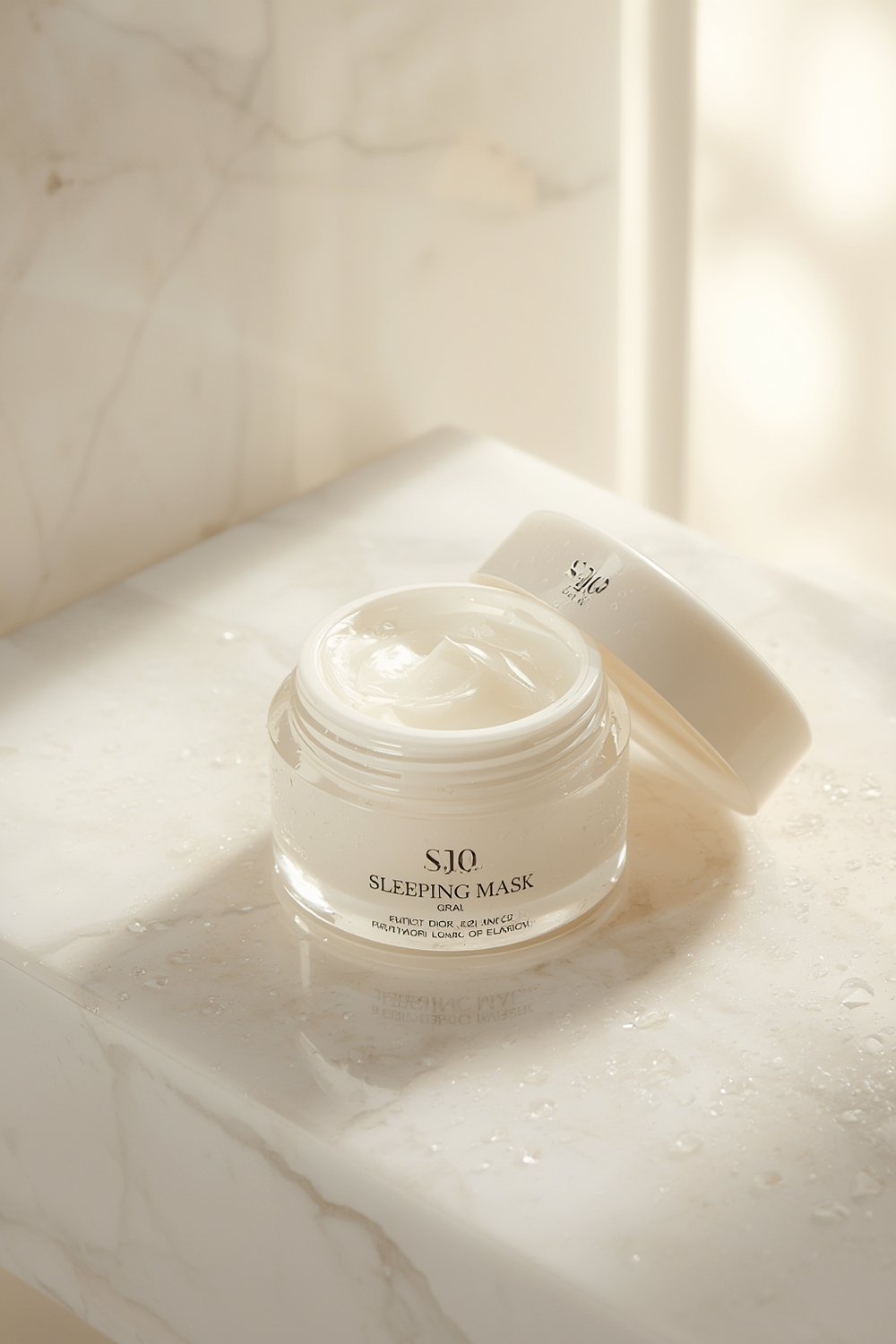
A sleeping mask korean is an overnight leave-on gel or cream, applied as the finishing step in your evening routine. Unlike traditional night creams, these masks are formulated for intense hydration, barrier care, and the much-sought luminous “glass skin” effect by morning. The concept traces back to the Korean belief in maximizing skin recovery during sleep — when cell regeneration peaks.
Why has this step grown so essential? The answer is twofold: the global market for sleeping facial masks is projected to reach $6 billion by 2033, growing at 7.4 percent annually, underscoring sustained demand for overnight face care. South Korea’s 40 percent export surge in 2025 highlights how these masks drive innovation across the Korean skincare world.
- What makes them different? Sleeping masks focus on hydration and sealing in actives, not just moisture replenishment. Their lightweight, rinse-free textures make them ideal for layering over targeted serums — a practice unique to Korean routines.
- K-Beauty philosophy: The central tenet is layering for optimal results: from centella ampoule and serums to a sleeping mask topper that prevents overnight moisture loss.
- Who are they for? Korean sleeping masks suit anyone seeking radiant, plumped skin by morning, but require careful selection if you have sensitive, acne-prone, or highly reactive skin.
How to Apply Sleeping Masks the Korean Way: Step by Step
A well-layered Korean skincare routine enhances the efficacy of any sleeping mask korean product. Here’s a realistic, actionable workflow:
- Double Cleanse (Oil, then Water Cleanser): Ensure skin is free from makeup, sunscreen, and pollution, prepping for maximal absorption.
- Toner or Hydrating Essence: Use a brightening rice toner or calming toner pad to balance pH and deliver first hydration.
- Serum(s) or Ampoules: Apply actives matched to your needs (such as centella ampoule for repair, PDRN ampoule for elasticity, or exosome-based serums for skin regeneration).
- Moisturizer (Optional): If your skin is very dry or repairs slowly, a lightweight layer before the sleeping mask amplifies results.
- Sleeping Mask Korean (Final Step): Use a nickel to quarter size amount, spreading an even, visible layer over the face. Avoid eye area. Some formulas work for neck and décolleté.
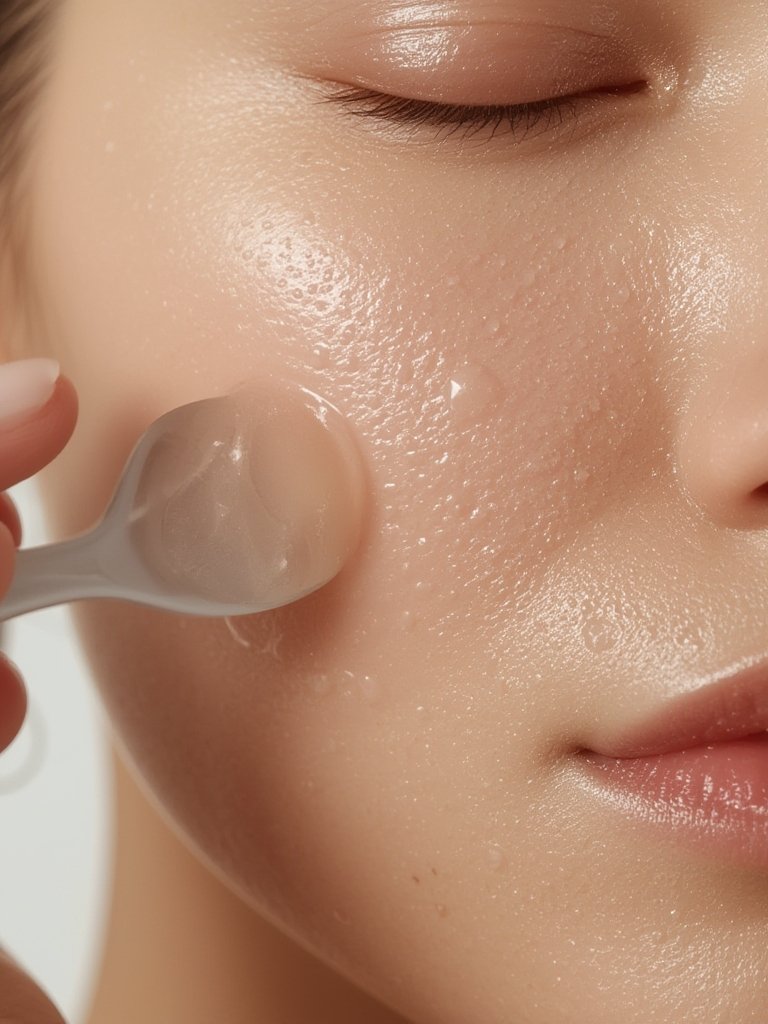
- Use a silicone spatula or clean tool to reduce contamination risk.
- Limit to 2 or 3 times per week unless deeply hydrating and well-tolerated.
- Consider occasionally alternating with hydrogel masks or barrier repair creams.
Advanced Analysis: Limitations, Pitfalls, and Ingredient Watchouts
Despite rising demand for sleeping mask korean products, a critical look at their evidence base and potential downsides is key. According to authoritative reports, overnight face masks — including sleeping masks — are projected to reach $48.09 billion globally by 2034. Yet, no clinical studies validate claims about instant glass skin or long-term repair.
- Common misconceptions: Sleeping masks are not a substitute for a complete routine. They seal in prior steps, but cannot replace serums or ampoules.
- Ingredient caution: Even barrier-friendly formulas may contain humectants (like glycerin), occlusives, or fragrances that could irritate sensitive skin. Always patch test.
- Overuse risk: Daily use, especially on top of active-intensive skincare, may result in breakouts or impaired skin barrier. Alternating with calming products (such as centella or panthenol serums) is recommended.
How do sleeping masks compare to traditional night creams?
| Feature | Sleeping Mask Korean | Traditional Night Cream |
|---|---|---|
| Texture | Lightweight gel or gel-cream | Rich, emollient cream |
| Main Function | Overnight hydration, sealant | Moisturizing and barrier repair |
| When to Apply | Last step, 2-3x weekly | Nightly, after serums |
| Downside | Potential for residue, pilling if overapplied | Heavier feel, possible clogged pores if used with heavy layers |
If you prioritize strong barrier support, rotate sleeping masks with formulas rich in centella asiatica serum or microneedle serum to boost deeper ingredient delivery, following established Korean layering strategies.
Conclusion
Korean sleeping masks have carved their place as high-impact, low-maintenance overnight hydrators in the global beauty scene. While evidence is still emerging and expectations should be realistic, integrating a sleeping mask korean as the final step of a barrier-focused routine can support skin radiance and resilience — especially when paired with the right ampoules, toners, and barrier serums. Explore related Korean beauty routines to build a complete system tailored to your skin’s evolving needs.
Frequently Asked Questions
How often should I use a sleeping mask korean?
Most experts recommend using a sleeping mask korean 2 to 3 times per week, depending on your skin type and climate. Daily use is rarely necessary and may overwhelm sensitive or acne-prone skin.
Do sleeping masks replace moisturizer or serum?
No. They are an add-on, not a replacement. For best results, use after serum and moisturizer. The mask helps seal in all previous hydration.
Can I use sleeping mask korean with retinol or exfoliating acids?
Caution is advised. Avoid using sleeping masks on the same night as potent actives like retinol or AHA BHA acids. Alternate nights to reduce irritation risk and preserve your skin barrier.
What is the difference between a hydrogel mask and a sleeping mask korean?
Hydrogel masks are usually single-use sheets for intense 15 minute hydration, while a sleeping mask korean is a leave-on, overnight cream or gel that seals in other skincare layers.
How do I choose a sleeping mask that is safe for sensitive skin?
Look for fragrance-free, alcohol-free, and barrier-repair focused options, and always patch test. Explore products with centella, panthenol, or ceramides for gentle, effective hydration.
—